
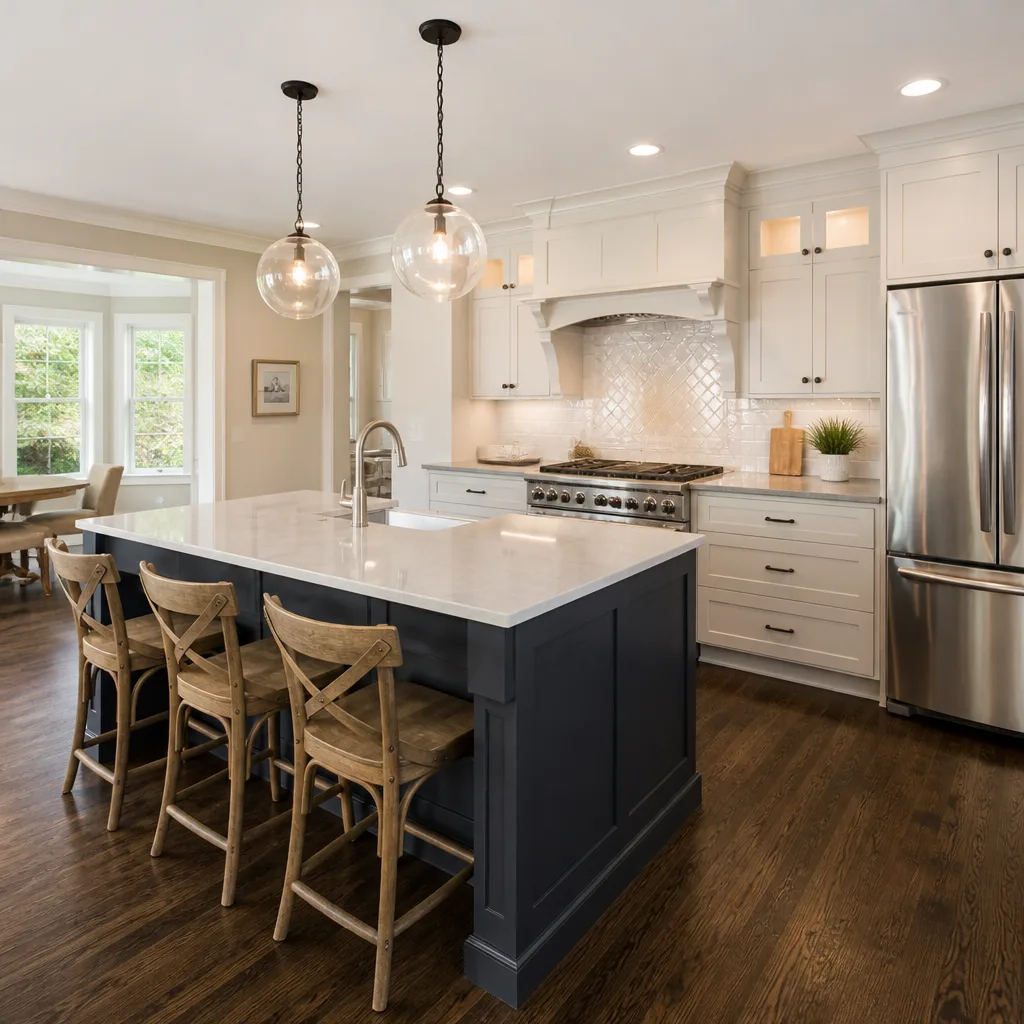
 Kitchen remodeling
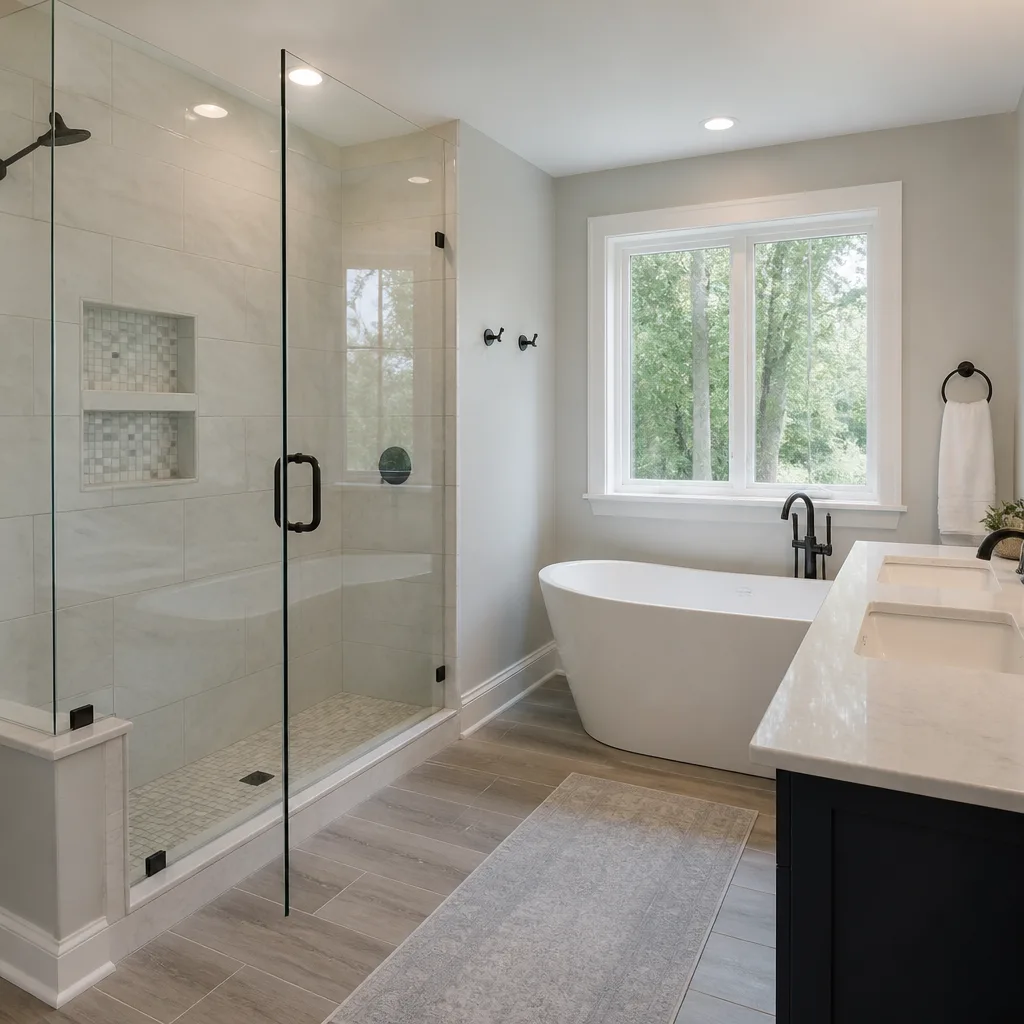 Bathroom remodeling
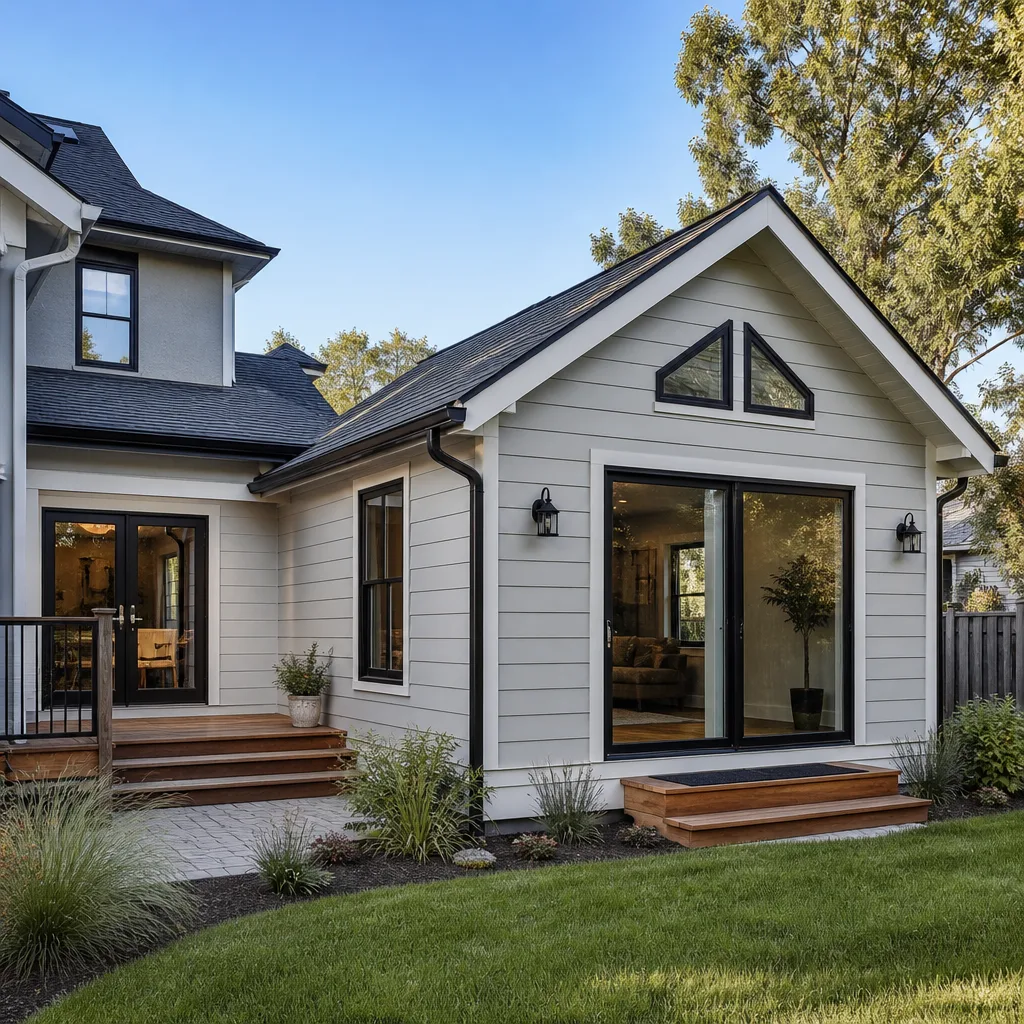 Home additions & ADU
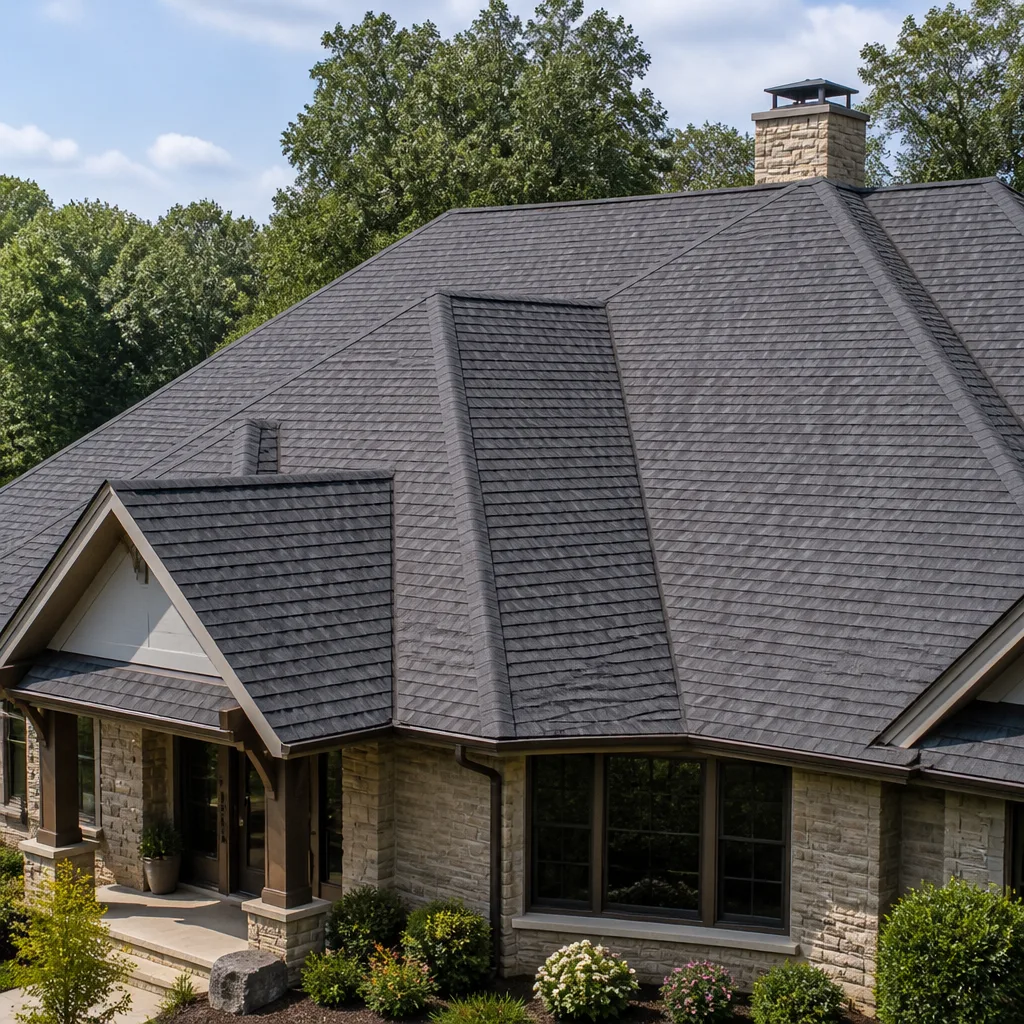 Roofing
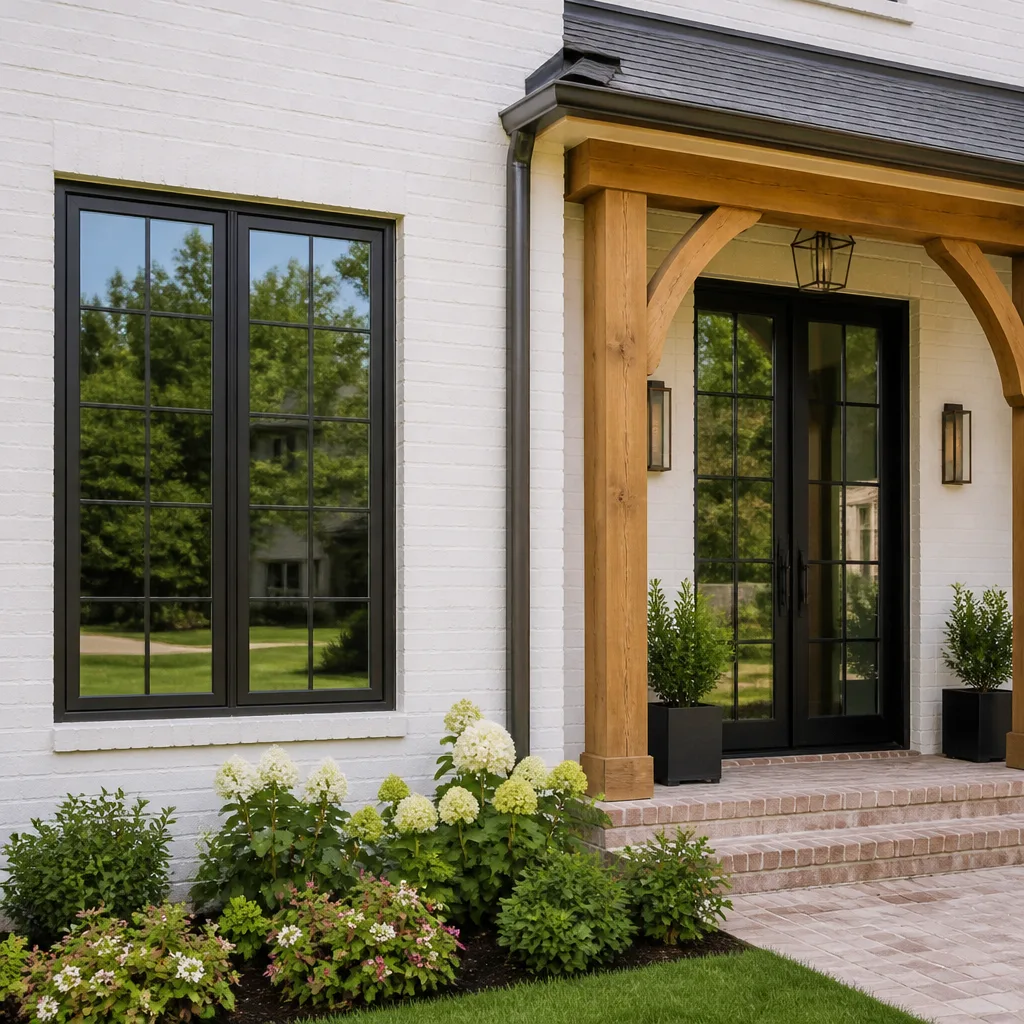 Windows & doors
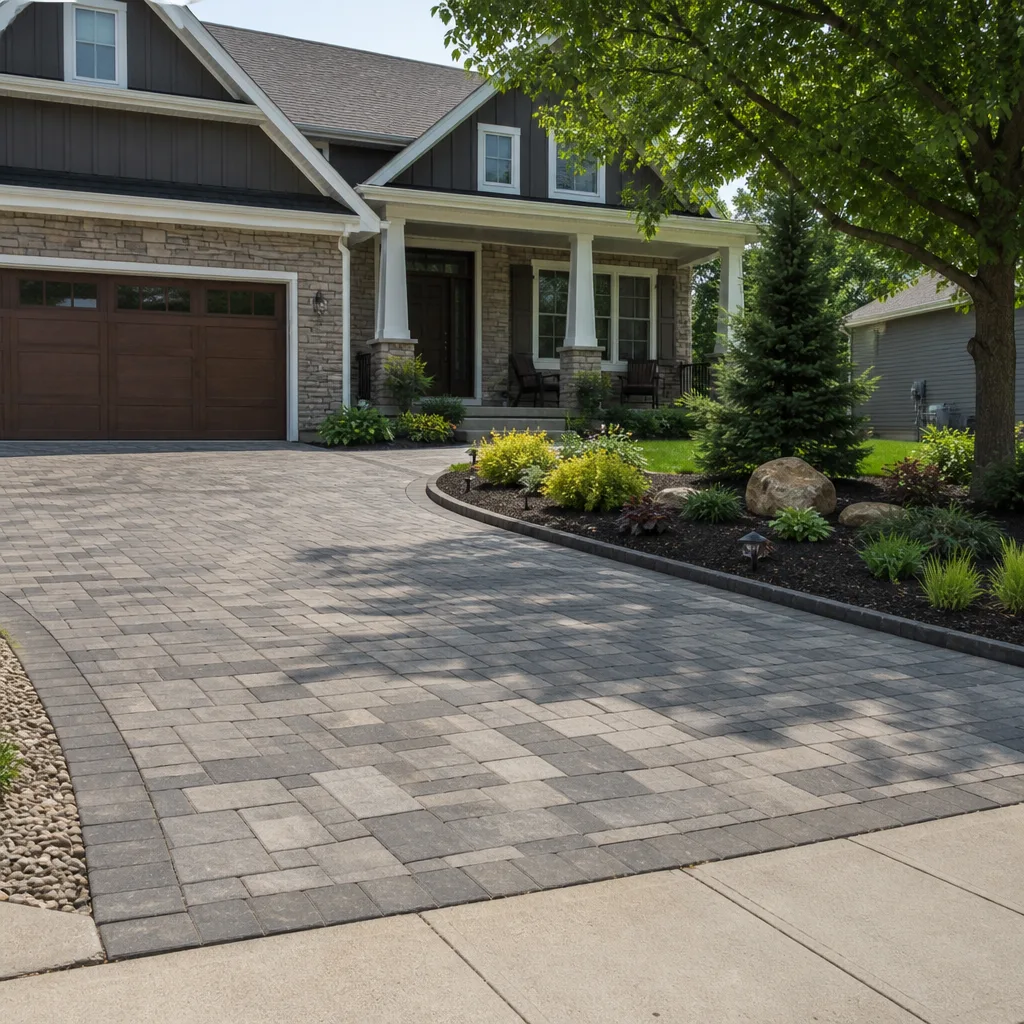 Driveway & pavers
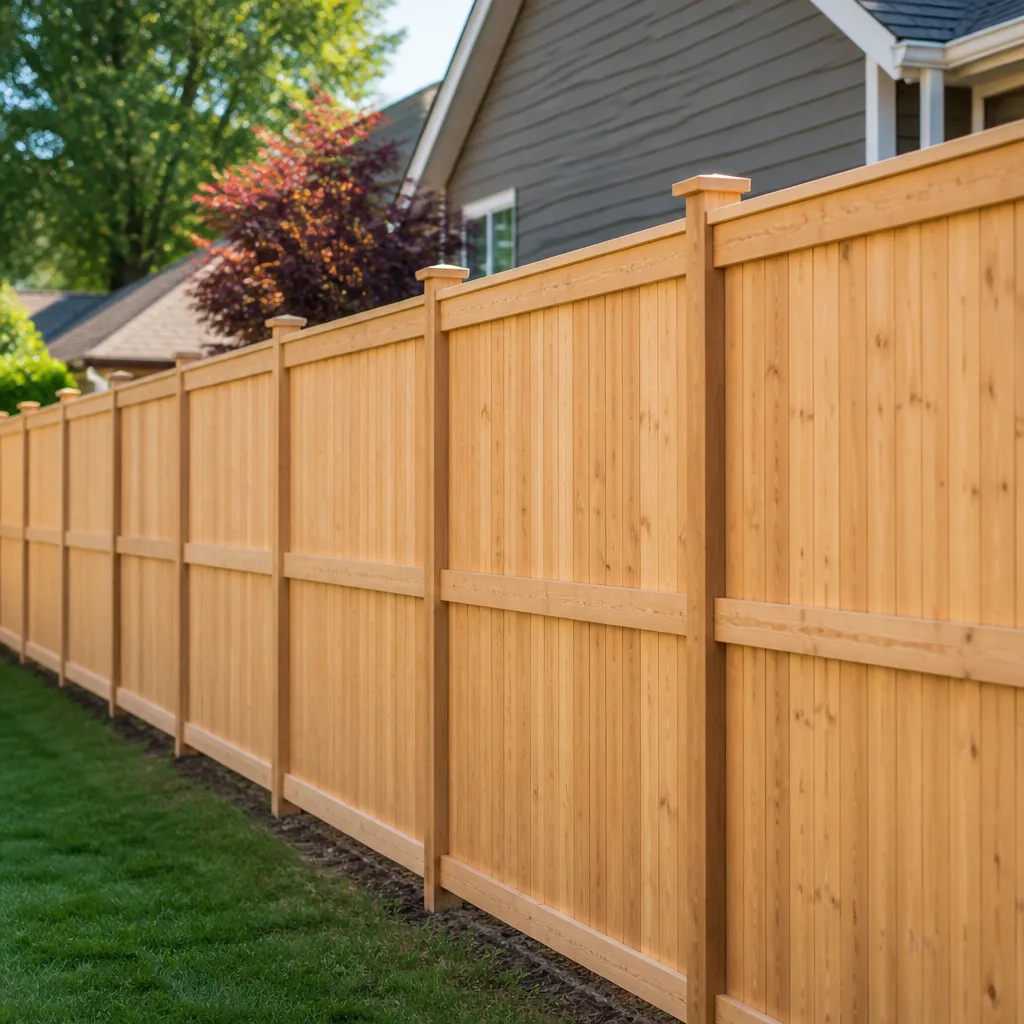 Fence
Free written scope consultation - allowances, timeline, and change-order rules on paper before a single trade is scheduled
Styles & brands we work with
- Kitchen remodeling
- Bathroom remodeling
- Home additions & ADU
- Roofing
- Windows & doors
- Driveway & pavers
- Fence
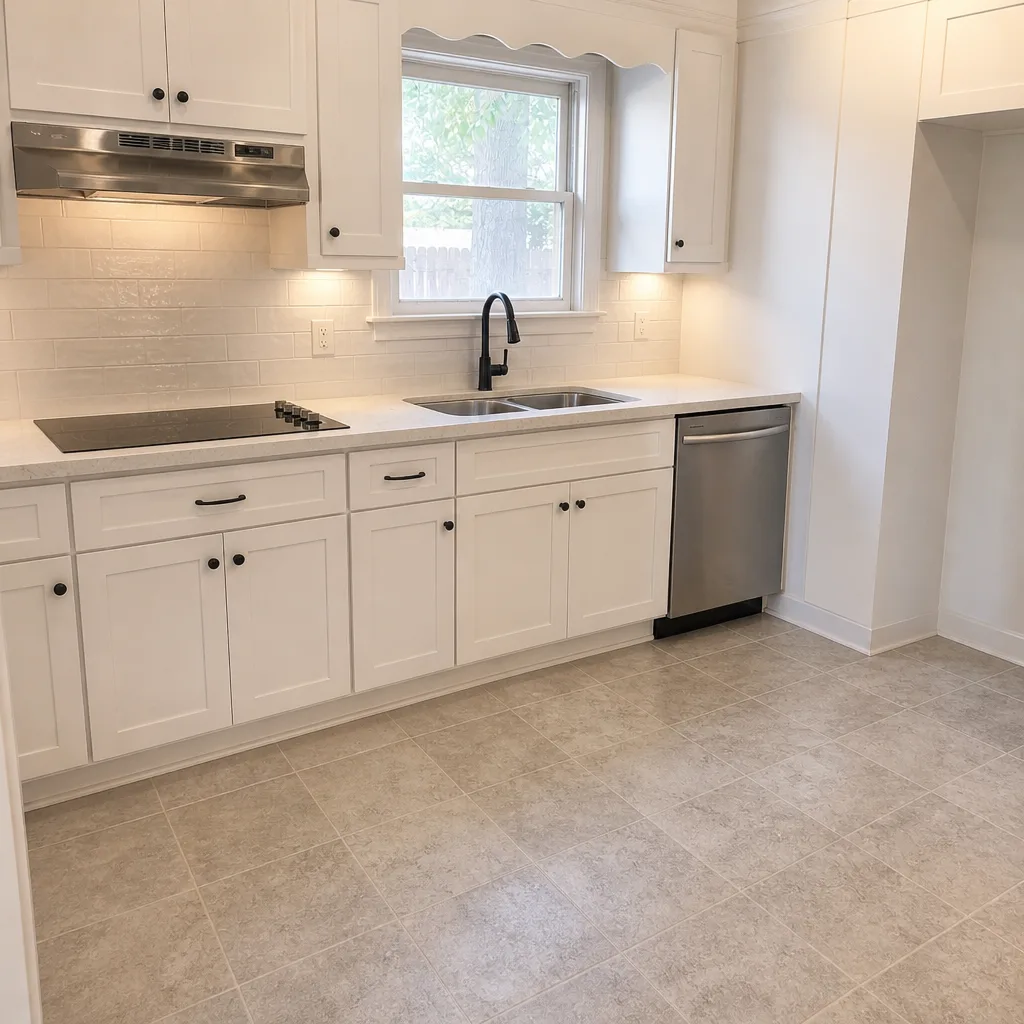
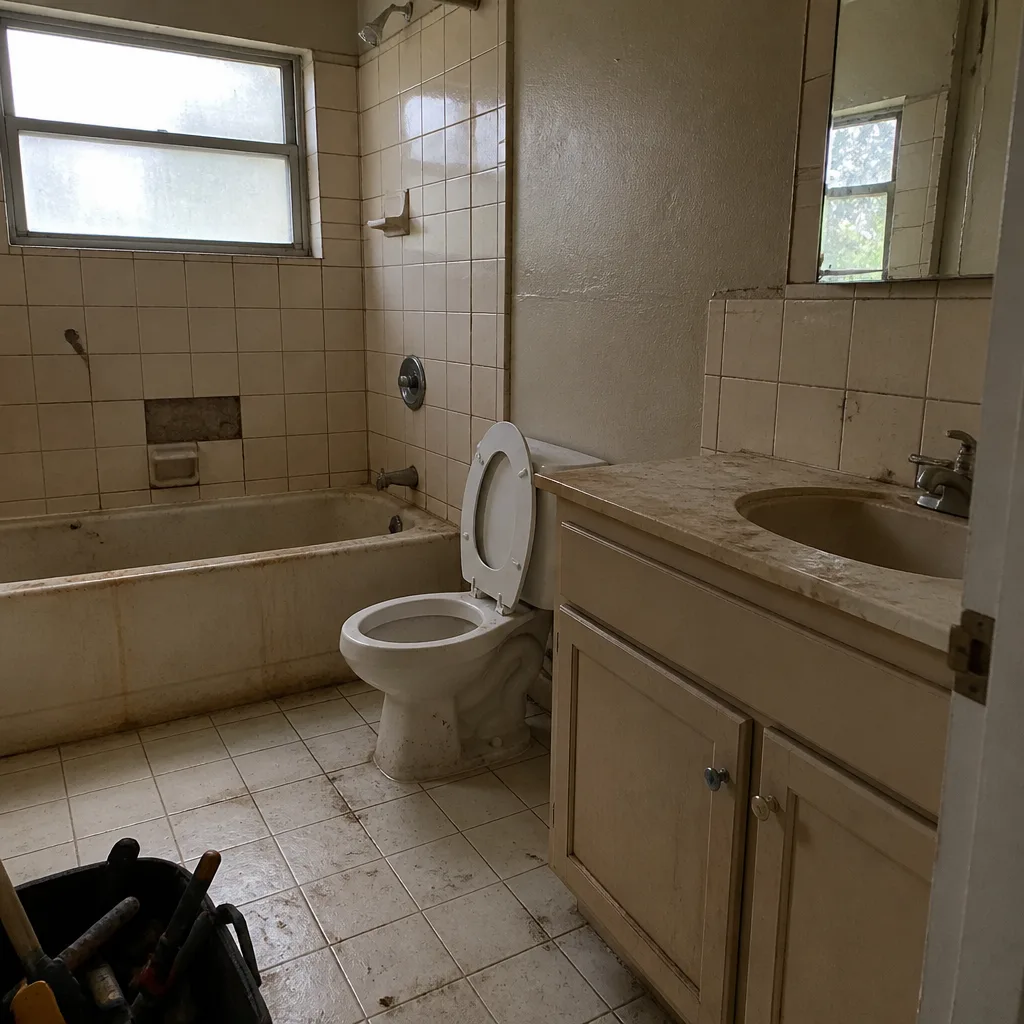
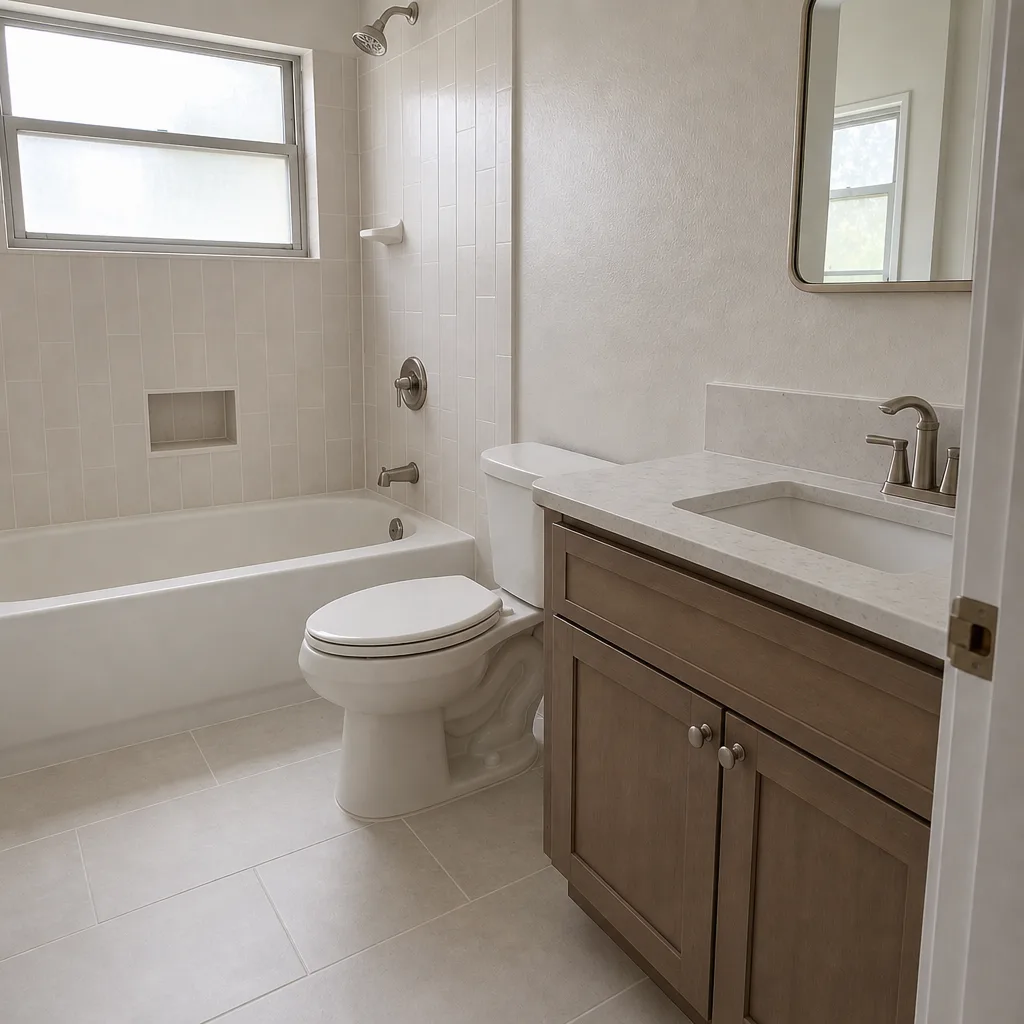
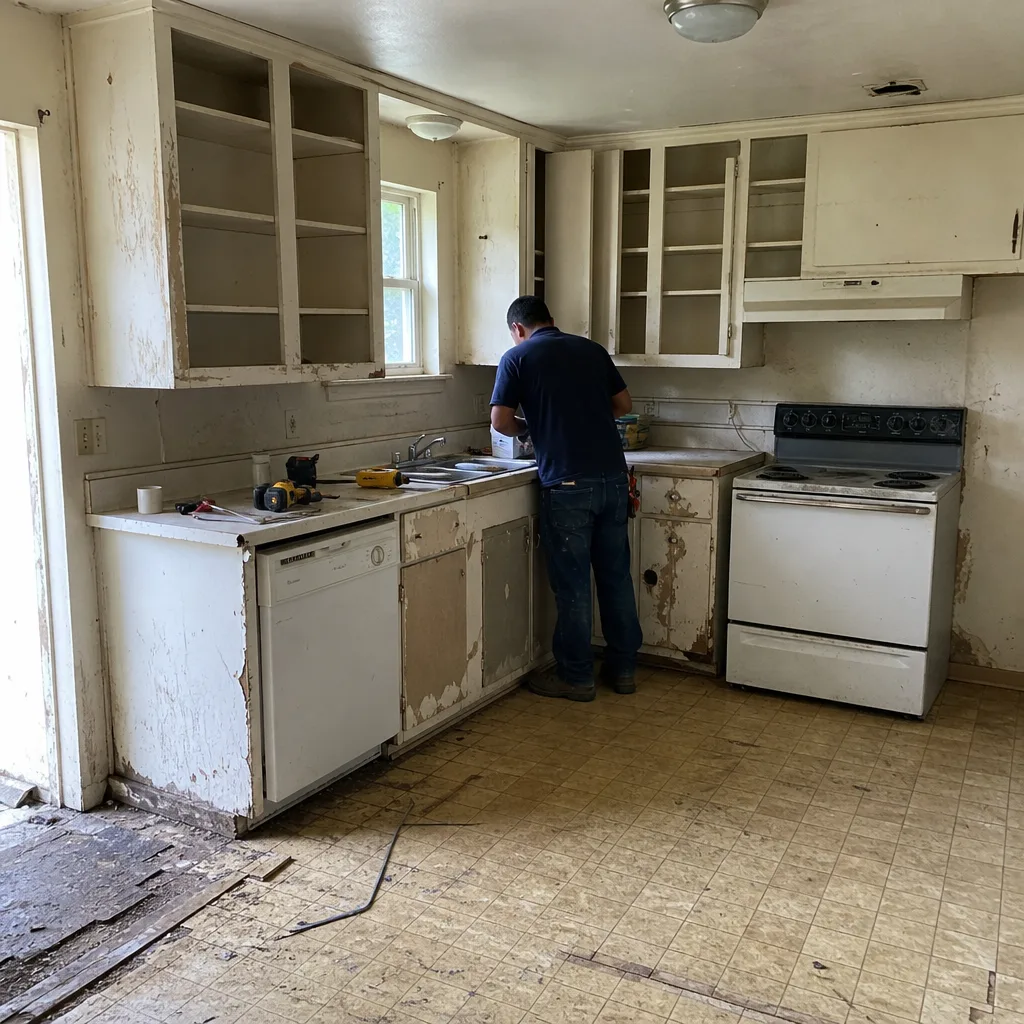
See the difference
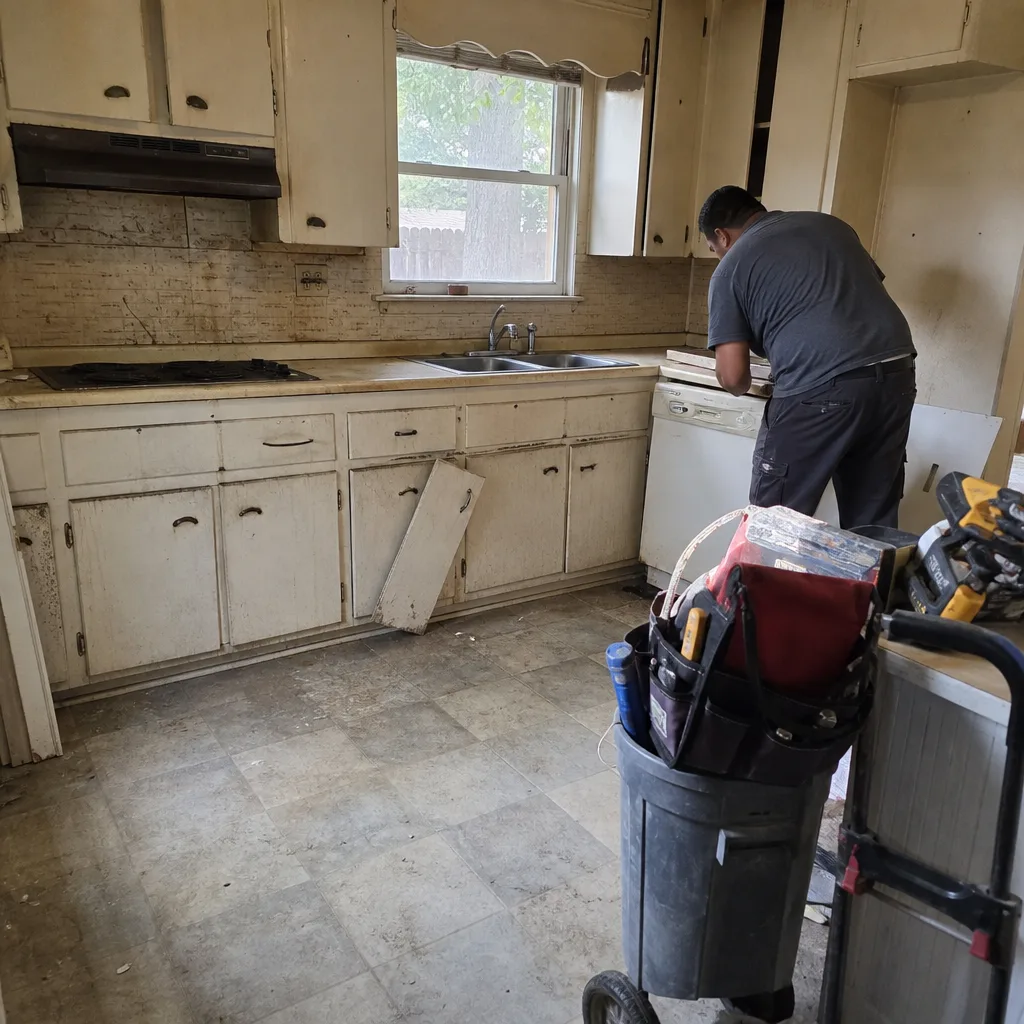 Before
 After
 Before
 After
 Before
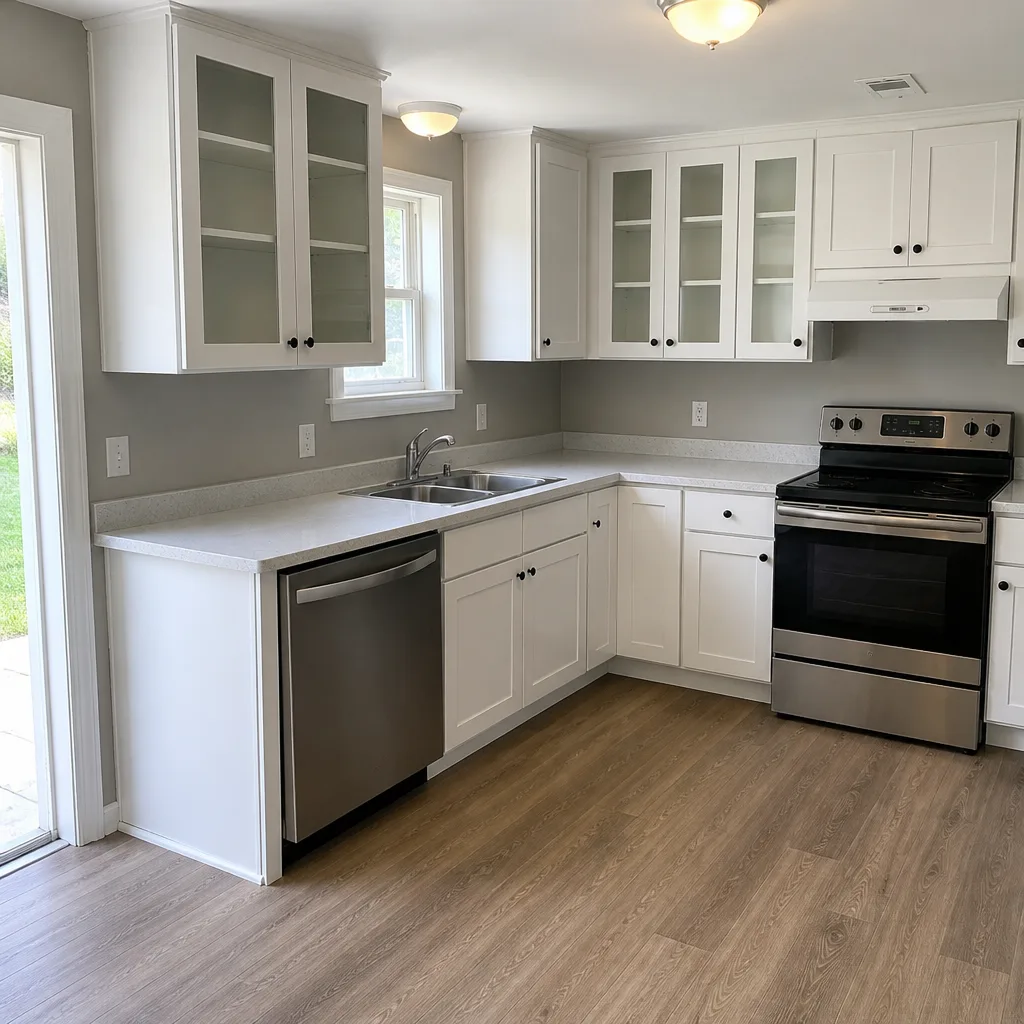 After
Attached vs Detached ADU in Dallas: Which One Actually Makes Sense for Your Home?
Choose a detached ADU unless your Dallas lot is too tight, your budget is under about $70,000, or your existing home’s foundation and framing are already documented as sound. For most of the metro’s 1950s-to-1970s slab-on-grade ranch homes on expansive Blackland Prairie clay, a detached unit gets a fresh engineered foundation that doesn’t inherit decades of slab movement, and that independence is worth more than the $20,000-$40,000 an attached build typically saves. Detached ADUs in Dallas run $90,000-$220,000; attached builds land at the lower end of that band, but only when the primary structure doesn’t need surgery first. Call (844) 797-4808 and we’ll walk your lot and your slab before you commit to either.
The Dallas Question Nobody Asks First: What’s Under Your Slab?
The attached-versus-detached debate usually starts with square footage and finishes with money. In Dallas, it should start in the crawl space or on the slab edge, because the foundation under your existing house decides which option you can actually permit and build without surprises.
Dallas sits in the middle of the Blackland Prairie, where expansive vertisols swell in a wet spring and shrink through a dry summer. Post-tension slabs, drilled piers, and root barriers are routine here in a way they aren’t in the limestone Hill Country south of us or the sandy Piney Woods east. That clay history matters the moment an attached ADU ties a new load into an old footing.
If your home is a 1960s slab-on-grade ranch, an attached ADU shares a wall and a foundation with a slab that’s already moved. The city will want to see that the existing structure can carry the new load, which means an engineer’s letter, and often means piers or underpinning before framing starts. A detached ADU sidesteps all of it: it gets its own engineered foundation, its own level and plumb line, and it holds that line whether the main house slab heaves or settles in a drought year.
What to Look For Before You Pick a Side
Run these five checks on your own property before you call anyone. They’ll tell you more than any comparison chart.
- Slab condition. Stair-step brick cracks, sticking doors, or a slab that’s dropped at one corner means an attached build inherits that movement. Get an engineer’s assessment before you budget a single attached square foot.
- Wind-uplift framing. An attached ADU sharing the primary roof or wall must meet the same wind-uplift fastening schedule as new construction. Older Dallas ranch homes with 1960s framing often need a rafter or truss upgrade before the addition is code-compliant.
- Electrical service. A detached ADU needs its own panel and service entrance. An attached ADU can usually sub-panel off the main service, which saves roughly $3,000-$6,000 on the electrical line.
- Lot and setback room. Detached needs real yard depth plus alley or side-yard access for the pour. Infill lots in Oak Cliff and East Dallas sometimes can’t fit one without a variance.
- Mechanical tie-in. Attached units tie into existing HVAC and plumbing, which is where the savings live. Detached units carry their own systems, and that’s a line item you should see broken out in any bid.
How the Two Compare, Line by Line
| Factor | Attached ADU | Detached ADU |
|---|---|---|
| Typical Dallas cost | $70,000-$130,000 | $90,000-$220,000 |
| Foundation | Loads onto existing slab; engineer’s letter likely | New engineered foundation, independent of the house |
| Electrical | Sub-panel off main service (saves $3,000-$6,000) | Separate panel and service entrance |
| Framing risk | Older framing may need truss or rafter upgrade | All-new framing to current code |
| Mechanical | Shares HVAC and plumbing runs | Own systems, own maintenance |
| Best fit | Larger lot, sound slab, tight budget | Tight lot, older home, long-term rental |
Both types get the same material treatment from us: Andersen windows, GAF roofing, and impact-resistant exteriors that meet Dallas’s hail and wind standards without you having to spec each component yourself. We also spec CGI and ES Windows on ADU builds where the design calls for a different glazing package. From foundation to finish line, the new structure is built to last and backed in writing.
Groundwork Construction Co. of Dallas covers the full scope here through our Home Additions & ADU work, and the same team handles the parent project if your home needs structural work first.
What Drives the Price in Dallas?
Attached ADUs cost less because they share walls and mechanical systems, but that gap narrows fast when the existing structure needs upgrades. Here’s how the money actually breaks down.
- Attached ADU: $70,000-$130,000, before any foundation or framing remediation.
- Detached ADU: $90,000-$220,000 depending on size, site work, and finish level.
- Garage conversion (the hybrid route): $30,000-$80,000, and it avoids new foundation work entirely.
- Foundation or truss remediation on an attached build: often $8,000-$25,000, which is where the attached “savings” can evaporate.
No-hassle upfront pricing means the number we give you is the number you pay. We also carry 0% financing for 18 months and $1,000 off projects over $10,000, both of which apply to ADU work. Every ADU we build is covered by our 730-Day Done Right Promise: if it isn’t done right, we make it right.
Which Type Makes More Sense for a Dallas Rental?
For long-term rental income, detached usually wins. A detached unit runs on its own electrical service and its own meter, which keeps tenant billing clean and keeps repair work off your main house. It also holds its own foundation independent of the primary slab, so you aren’t chasing cracks inside a tenant’s unit after a dry summer. Attached ADUs work well for family use or a home office, where shared systems are a feature rather than a complication. On a tight Oak Cliff lot, attached or a garage conversion may be the only route the setbacks allow, and we’ll tell you straight if that’s the case.
FAQs
Attached is usually cheaper by $20,000-$40,000 because it shares one or two existing walls and ties into the home’s existing mechanical systems. That savings holds only when the primary slab and framing are sound. On a 1960s slab-on-grade Dallas ranch with visible movement, foundation and truss remediation can erase most of the gap. Call (844) 797-4808 for an exact quote – estimates are free.
Often yes. An attached ADU loads new weight onto an existing slab that has already moved with Dallas clay, so the city will typically require an engineer’s letter confirming the existing foundation can carry it. Expect drilled piers or underpinning on a home that shows stair-step brick cracks or sticking doors. A detached ADU avoids this entirely because it gets its own engineered foundation. We’ll inspect your slab before quoting either option.
Sometimes, but setbacks and alley access decide it. Detached units need room for a foundation pour plus side or alley access, and many older infill lots in East Dallas and Oak Cliff can’t fit one without a variance. In that case an attached ADU or a garage conversion at $30,000-$80,000 is the realistic path. Call (844) 797-4808 and we’ll measure your lot against the setback rules before you spend on design.
Plan on four to seven months from permit to final walkthrough for a detached unit, and three to five months for attached. The longer timeline on detached comes from the foundation cure, separate electrical service, and the independent mechanical rough-in. Attached builds move faster but can stall if the engineer’s letter triggers foundation or framing work. Your schedule gets set at the estimate, not after the permit lands.
Key Takeaways
- Detached wins on most Dallas lots because it escapes the primary slab’s movement history.
- Attached saves $20,000-$40,000, but only when the existing foundation and framing pass review.
- Sub-paneling off the main service saves $3,000-$6,000 on an attached build’s electrical line.
- Older ranch homes often need wind-uplift framing upgrades before an attached ADU permits.
If you’d rather have it looked at, Groundwork Construction Co. of Dallas offers a no-pressure assessment in Dallas – call (844) 797-4808. We’ll walk your lot, check the slab, and tell you which ADU type your property can actually carry.
Written by the team at Groundwork Construction Co. of Dallas, serving Dallas, TX.