
Last updated November 16, 2026
 Fence
 Kitchen remodeling
 Bathroom remodeling
 Home additions & ADU
 Roofing
 Windows & doors
 Driveway & pavers
Free written scope consultation - allowances, timeline, and change-order rules on paper before a single trade is scheduled
Fence Installation Maintenance Schedule: What to Do and When
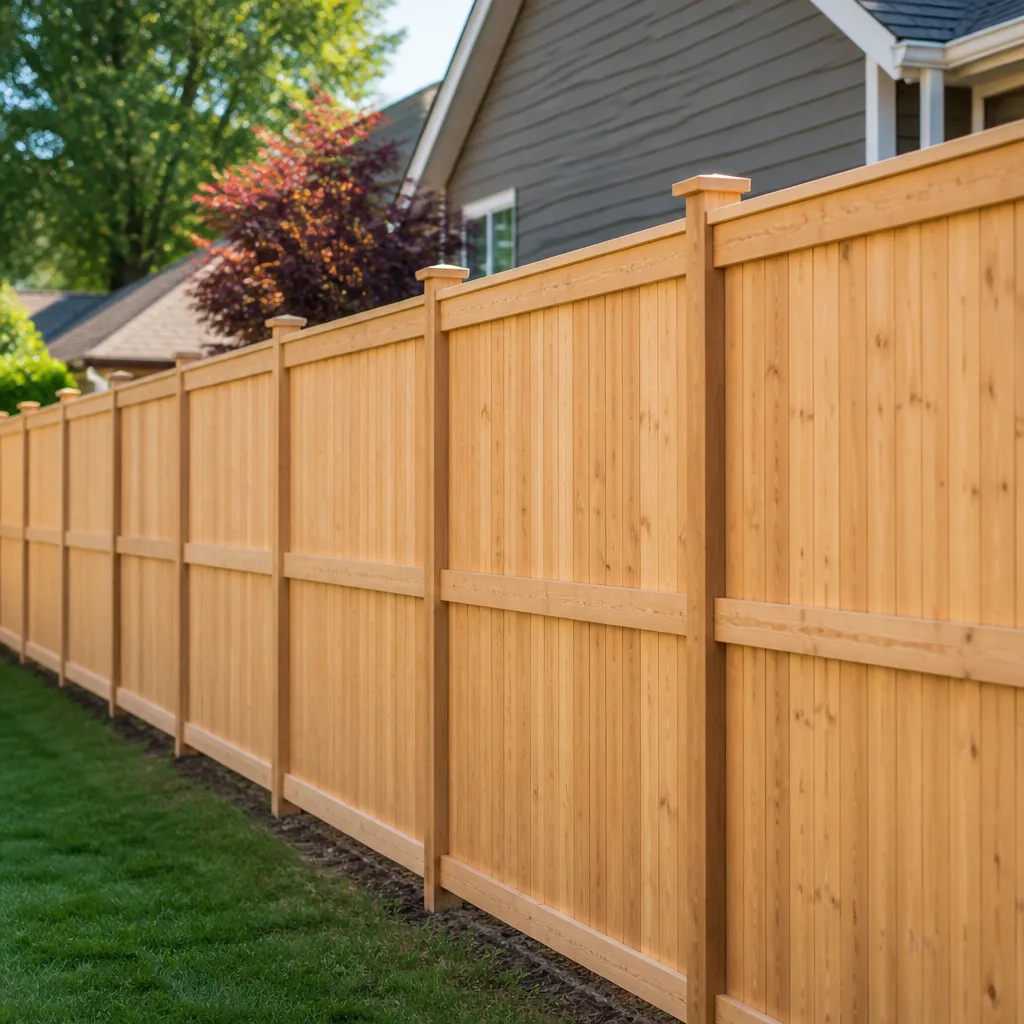
Dallas puts more annual stress on a wood fence than most northern climates put in two. Between the UV load that bakes a south-facing rail from March through October, clay soil that swells in spring storms and shrinks hard by August, and spring wind loads that push a 6-foot privacy fence like a sail, a fence built here lives a hard life. Homeowners who skip one of the three tasks below tend to watch a 10-year fence become a 5-year replacement. This guide gives you the schedule that prevents that, laid out month by month for Dallas conditions.
Quick Answer
A wood fence maintenance schedule in Dallas runs on three anchor tasks: a spring post-and-gate inspection after storm season, a summer stain and sealant application window, and a fall drainage check before the wet season. Do all three on time and a quality western red cedar or treated pine fence can hold 10 to 15 years. Skip any one and that number drops sharply, usually because rot starts at the post below grade, where you can’t see it until the fence leans.
Styles & brands we work with
- Kitchen remodeling
- Bathroom remodeling
- Home additions & ADU
- Roofing
- Windows & doors
- Driveway & pavers
- Fence
Table of Contents
- Why Dallas Fence Maintenance Looks Different
- Spring: Post and Gate Inspection After Storm Season
- Summer: The Stain and Sealant Window
- How to Test Wood Moisture and Stain Adhesion Before You Reapply
- Fall: Drainage Check Before the Wet Season
- Gate Hardware Maintenance in Texas Heat
- Post-Grade Inspection: Catching Rot Before It’s Structural
- What Your Maintenance Log Should Track
Why Dallas Fence Maintenance Looks Different
A maintenance schedule written for the Pacific Northwest optimizes for moss, constant damp, and cool summers. None of that is your problem here. Dallas’s combination of intense UV exposure, clay soil moisture swings, and spring storm wind loads means the failure modes are different, and the timing of prevention is different too.
Start with the UV. A wood fence in Dallas takes direct sun on the south and west runs for most of the day, and UV is what breaks down lignin in the wood fiber. That process shows first as gray fuzz on the top rail and post caps, then as hairline checks (small cracks) that open into splits. Once water gets into a split, freeze-thaw cycles in the north do the damage, and in Dallas heat it’s dry-rot fungus that moves in. Different mechanism, same result: the board goes soft.
Then there’s the soil. The blackland clay that runs through much of the Dallas area expands when wet and contracts when dry. That swelling and shrinking moves fence posts. A post set 24 inches deep with proper concrete can handle it, but a post set shallow or dry-packed without proper footings will rock loose over a few seasons. That rocking opens the post-to-rail joints, and that’s where water gets in.
Spring storm season brings the third stressor. Dallas sits in a stretch of the country that sees more hail and high wind than almost anywhere else. After a hail event or a 60-mph straight-line wind, posts and top rails can crack or shift without the fence visibly failing. That’s why the schedule below puts inspection first in spring, when the damage is fresh and repairable, rather than waiting for the fence to lean.
The good news: Dallas wood fence maintenance is genuinely a few hours of work per year, done at the right time. The schedule below is what we use on our own installs and what we hand to homeowners.
Spring: Post and Gate Inspection After Storm Season
Late March through mid-April is the window in Dallas. Storm season runs through spring, and once the last big front has passed, you want to check the fence before the heat sets in. What you’re looking for is movement and cracking, and the fence will tell you.
Walk the full perimeter with a screwdriver in hand. On every post, push the base with your foot and watch the top rail. A sound post doesn’t move. A post that rocks even a quarter inch has already lost footing, and in clay soil that only gets worse. Then run the screwdriver along the base of each post at grade level, pushing in with light pressure. If the tip goes in easily, you’ve found soft wood, and it’s time to plan a post replacement before the fence sections it carries come down.
Check every gate. Open and close it through its full swing. A gate that drags, sticks, or won’t latch cleanly has a problem at the hinge or a sagging post, and in Dallas a gate that binds in March will be a gate that won’t close at all by July, because heat and humidity swell the wood.
Look for these specific signs:
- Top rail cracks: Split top rails are the most common storm damage in Dallas. Catching a split early means a board replacement, not a section.
- Loose pickets: Pickets that rattle are usually a failed nail or screw, not a picket problem. Fix the fastener, not the board.
- Water stains and dark streaks: Dark streaks on wood point to moisture, and moisture means a leak source. Trace it before it becomes rot.
- Posts that rock: The most serious sign. A rocking post in Dallas clay is a footing problem, and the fix is more than a nail.
- Gate sag: Sag at the latch side is almost always a hinge loosening in the wood, not the hinge itself.
Signs of trouble that are cheap to fix in April are expensive by August. If the inspection turns up failing sections, our fence installation in Dallas team can tell you whether it’s a repair or a rebuild, and give you a written estimate either way.
Summer: The Stain and Sealant Window
The best window for staining and sealing a wood fence in Dallas is late spring to early summer, roughly May into June, before the hottest stretch hits. The reason is simple: a wood fence needs dry weather and moderate temperatures so the coating can cure and bond. Spray it on a 100-degree July afternoon and the wood surface dries so fast the coating skins over and never penetrates. That’s how you get peeling in three months and a wasted weekend.
What you’re trying to do with sealant is two things: block UV, and slow the moisture uptake. A penetrating oil-based stain does both without trapping moisture in the wood. A film-forming surface sealer can look nice for a while but fails badly in Dallas, because it traps moisture under the film and peels in sheets when the wood swells in the fall. Stick with a penetrating stain on a wood fence in this climate.
Here’s the order we use:
- Clean first. A fence needs to be clean before it can absorb anything. Wash off dirt, pollen, and gray fuzz with a garden sprayer or pressure washer on low pressure. Don’t blast pickets with high pressure; softened wood will gouge.
- Let it dry fully. This is non-negotiable. Wood needs several dry days before it’s ready. See the moisture test below.
- Test one board first. Apply the stain to a single picket in an inconspicuous spot. Wait 24 hours. If it beads on the surface instead of soaking in, the wood is still sealed or still wet, and you’re not ready.
- Apply to the full fence. Follow the product label for coat coverage. Two thin coats beat one heavy coat every time.
- Watch the weather. You need no rain for 24 to 48 hours after application. In Dallas that’s usually not hard to find in May and June.
Expect to re-stain every two to three years in Dallas, faster on the south and west side of the property. Horizontal surfaces like top rails and post caps take the most UV and often need attention between full sessions. A quick touch-up on those surfaces extends the whole fence coating’s life.
How to Test Wood Moisture and Stain Adhesion Before You Reapplying
This is the step most Dallas homeowners skip, and it’s the single biggest source of wasted stain and peeling coating. You can’t tell if wood is ready to take a stain by looking at it. You have to test.
Two tests, both cheap and both quick.
The moisture test: Buy a pin-type moisture meter at any hardware store. It costs less than one can of good stain and takes the guesswork out. Push the pins into the wood about a quarter inch and read the scale. For a stain application, you want the wood below about 15 to 18 percent moisture content. Freshly installed or recently rained-on pressure-treated pine in Dallas often reads above that for weeks. That tells you to wait. The same wood reading 12 percent in June is ready.
The bead test: Fill a small spray bottle with water and mist a spot on the fence. Watch what happens:
- Water soaks in quickly and the surface darkens: the wood is open and ready to take stain.
- Water beads on the surface and rolls off: the wood is sealed with an existing coating that needs to be removed or sanded before new stain will bond.
- Water beads in some spots and soaks in others: the fence is partially coated. That’s the peeling-mess scenario waiting to happen. Strip or sand the coated spots before staining.
Do this on multiple parts of the fence, not just one spot. Sun-facing sections and shaded sections will read differently on the same day because they age and dry differently. Testing every 10 feet takes ten minutes and saves a full weekend of redoing a peeling job.
One more note specific to Dallas: if your fence was installed in spring, don’t stain it in the first 30 days. New treated pine and new cedar are both still losing ambient moisture. Staining too soon traps it, and that’s a recipe for peeling no product label can overcome.
Fall: Drainage Check Before the Wet Season
In most climates, the fall task is “prepare for freeze.” In Dallas, the fall task is “prepare for water,” because November through March is when we get our heavier rain and the clay soil is moving. The goal is to make sure water drains away from the fence line rather than pooling against the posts.
Walk the fence line and look for these things:
- Ponding at post bases: If soil has settled and formed a low spot against a post, that’s a rot hazard. Regrade it so water runs away.
- Clogged or missing gutter downspouts: A downspout dumping at a fence line is the most common cause of premature rot in Dallas. Extend it past the fence.
- Landscaping piled against posts: Mulch, soil, or plant beds packed up against the bottom rail and post trap moisture. Keep 4 to 6 inches of clear space at grade.
- Gate clearance and grade: A gate that clears the ground in dry summer can scrape after fall rain if the ground swells. Check and adjust.
- Driveway and patio drainage flowing toward the fence: Water running across hardscape against the fence line softens the base over time. Watch for it and correct the slope if needed.
Fall is also when you should clean out any plant growth on or against the fence. Ivy and climbing vines hold moisture against the boards and hide early rot. A clean fence line is a maintainable fence line, and in Dallas that’s the difference between catching a soft post in November and finding a fence panel on the ground in February.
Gate Hardware Maintenance in Texas Heat
Gate hardware gets the least attention and fails first in Dallas. The reason is thermal expansion. Metal hinges and latch hardware expand and contract through the day as the gate heats in the sun, while the wood gate frame moves at a different rate. Over a summer, that differential loosens screws and shifts the gate just enough to make the latch misalign.
The maintenance is simple but timing matters. Do it twice a year, in the spring inspection and again in the fall. In between, a quick visual check after any big temperature swing saves the most common gate failure.
- Check every hinge screw with a screwdriver. Don’t just tighten the ones that look loose. Loose screws in the gate frame should be replaced with slightly longer screws or, if the wood is soft, with a screw that grabs fresh wood. A screw that won’t hold means the gate end or trailer frame needs attention.
- Lubricate hinges and latches. A dry lubricant (a spray-on graphite or silicone) works better in Dallas heat than oil, because oil attracts grit and gum. Two pass-throughs per season.
- Check latch alignment. Close the gate. The latch should engage without lifting, pushing, or slamming. If it catches, loosen the latch hardware and reset it rather than forcing it. A misaligned latch feels like a small nuisance until the gate drops and won’t close.
- Adjust the gate frame diagonally if it sags. A wood gate that sags is almost always losing tension on its diagonal brace. This is a two-person, 30-minute job and worth doing before it becomes a frame replacement.
- Inspect the gate posts. The gate post takes far more load than any other post in the fence. Check it for rocking annually. A rocking gate post is the one post you don’t want to ignore.
Replace hardware when the metal shows cracking at stress points, when the screw holes in the wood have enlarged beyond what a longer screw will hold, or when a hinge pin has worn enough that the gate moves up and down in the swing. Hardware is cheap; a gate is not.
Post-Grade Inspection: Catching Rot Before It’s Structural
The post below grade is where a wood fence in Dallas fails first. That’s a physical reality of the material: even properly treated posts eventually take on moisture at the soil line, and rot begins from the inside. You’ll rarely see soft wood; you’ll see a fence that leans an inch, and by then the post is gone.
The inspection technique is straightforward and worth doing twice a year, in spring and fall.
- Push test. At each post, place a hand on the post about shoulder height and push firmly. Watch the base. Any visible movement at grade is a finding worth investigating. Sound posts don’t move.
- Probe test. With a screwdriver, gently probe the wood at 2 inches above grade, at grade, and just below grade if you can reach it. Rotting wood gives under light pressure. Healthy wood resists.
- Look for soft wood around the post base. If the wood is dark, soft, or crumbles, the rot is already inside the post. Don’t just patch; plan a replacement.
- Check the concrete footing if exposed. A post that’s lifting out of its footing is a footing failure, which is common in Dallas clay. A post that’s cleanly attached but the footing has cracked and tilted is a drainage problem or a footing depth problem.
- Check post caps. A missing or cracked post cap lets water in from the top. Water in from above is a common reason for post rot in Dallas, and it’s the easiest thing to fix.
If you find a soft post, act on it. A rotted post doesn’t announce itself; it just lets the fence lean, and a leaning fence with several soft posts has gone from a repair to a full rebuild. If the damage is widespread, replacing the fence outright is usually the cheaper route, and that’s the conversation our Dallas fence installation team has with homeowners every week.
What Your Maintenance Log Should Track
A maintenance log sounds like overkill for a fence. It isn’t, and here’s why. Two scenarios make it valuable: a warranty claim on the fence or the materials, and a property sale where a buyer’s inspector asks about fence condition. A dated record of what you did and when proves the fence was maintained, not neglected, and that’s the difference between a claim being honored and being denied.
What to record, and how:
- Date and task. “April 12: inspected posts and gates, replaced two loose pickets on north run.” Two lines. Every time.
- Products used. Brand and type of stain, sealant, and hardware. If a coating ever fails, the manufacturer will ask.
- Moisture readings at stain time. Note the reading and the date. If a coating peels later, you have proof the wood was dry when applied.
- Photos. One wide shot of each fence side per season, plus close-up shots of anything you were worried about. Photos have caught more warranty issues than any paperwork.
- Repairs vs. replacements. Note what was repaired and what was replaced, with material specs if you can. It matters at resale.
Keep the log on your phone, in a cloud note, or in a folder with your home records. Two lines per event is enough. The value isn’t in the detail; it’s in the continuity. A log that shows spring inspections in five straight years is a strong signal about how a fence was maintained.
If your roof or windows need the same treatment, our Groundwork Construction Co. of Dallas team handles exterior maintenance across the whole property, and the note we hand off is the same idea.
Common Mistakes to Avoid
- Staining too soon after installation. Wood fence materials in Dallas need 30 to 60 days of dry weather before a stain will bond. Staining a brand-new fence in April traps moisture and causes peeling by mid-summer.
- Applying stain to wood that’s too wet. Dallas humidity means a fence can read 20 percent moisture on a “dry” morning. Test it with a meter; don’t trust the sky.
- Skipping the post base. Homeowners inspect what they can see. The post at grade is where rot starts, and it’s the cheapest place to catch it early.
- Using a film-forming sealer in Texas heat. A surface film peels in sheets here when wood swells in fall. Penetrating stain holds up.
- Ignoring gate hardware until it fails. Heat expansion loosens screws every summer. A five-minute screw check twice a year prevents the weekend gate repair.
- Piling mulch and beds against the bottom rail. Moisture trapped at the post base is where rot starts. Keep 4 to 6 inches of clear space at grade.
- No maintenance log. Logging takes two lines. Not having it costs you a warranty claim or an inspector’s question at sale time.
See the difference
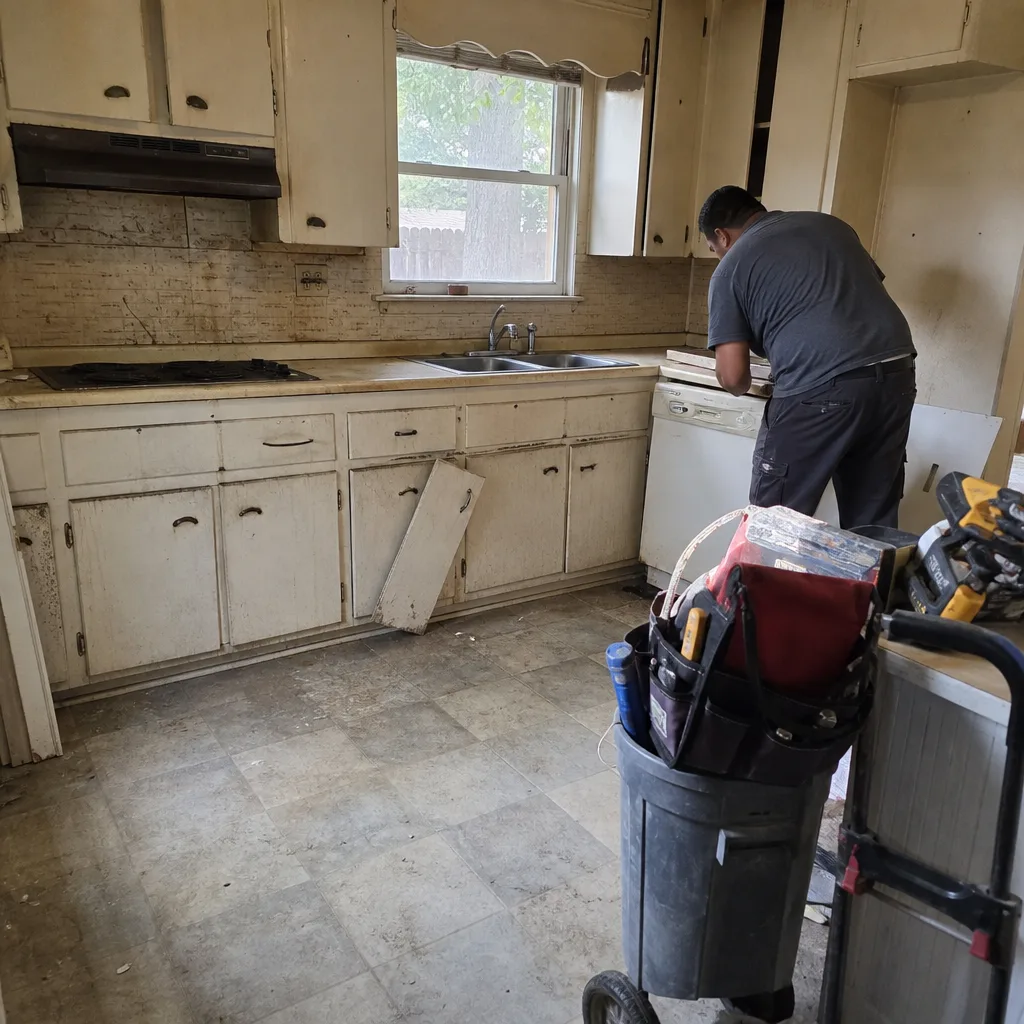 Before
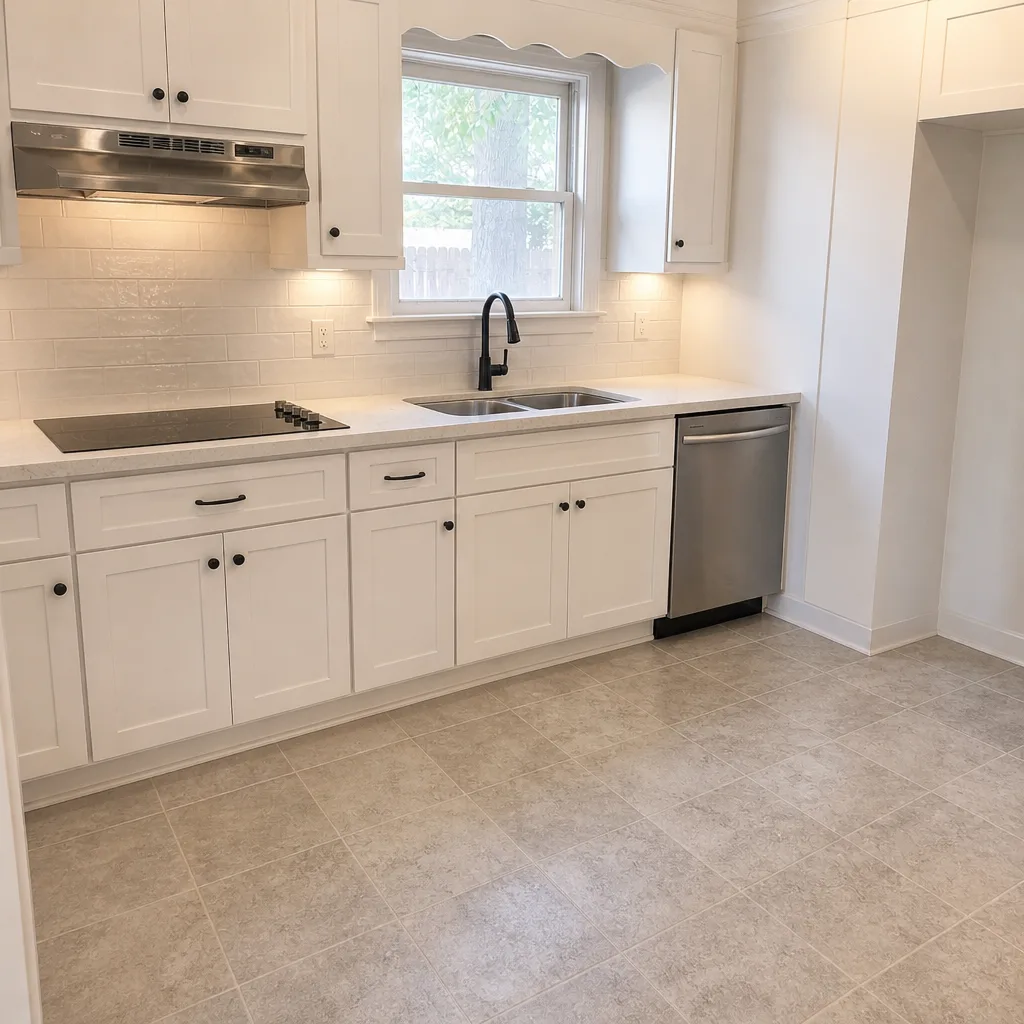 After
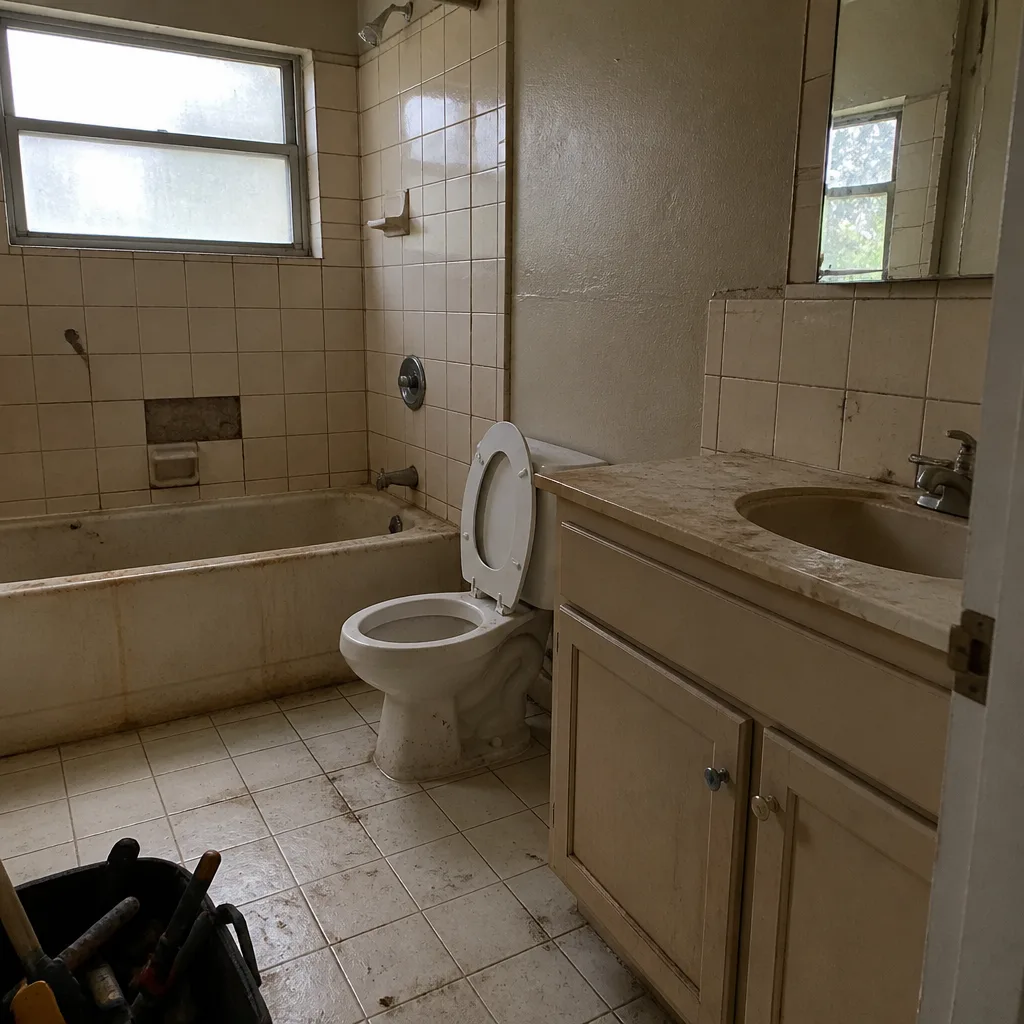 Before
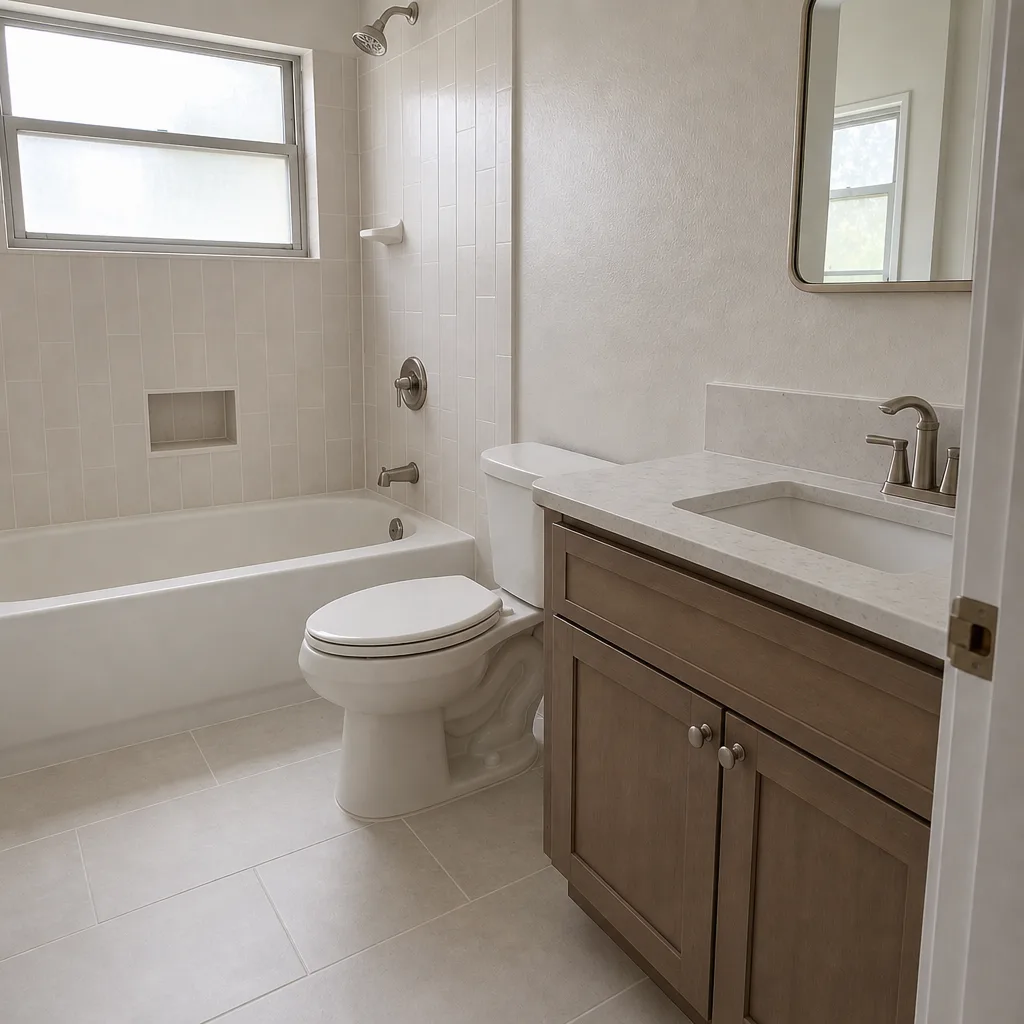 After
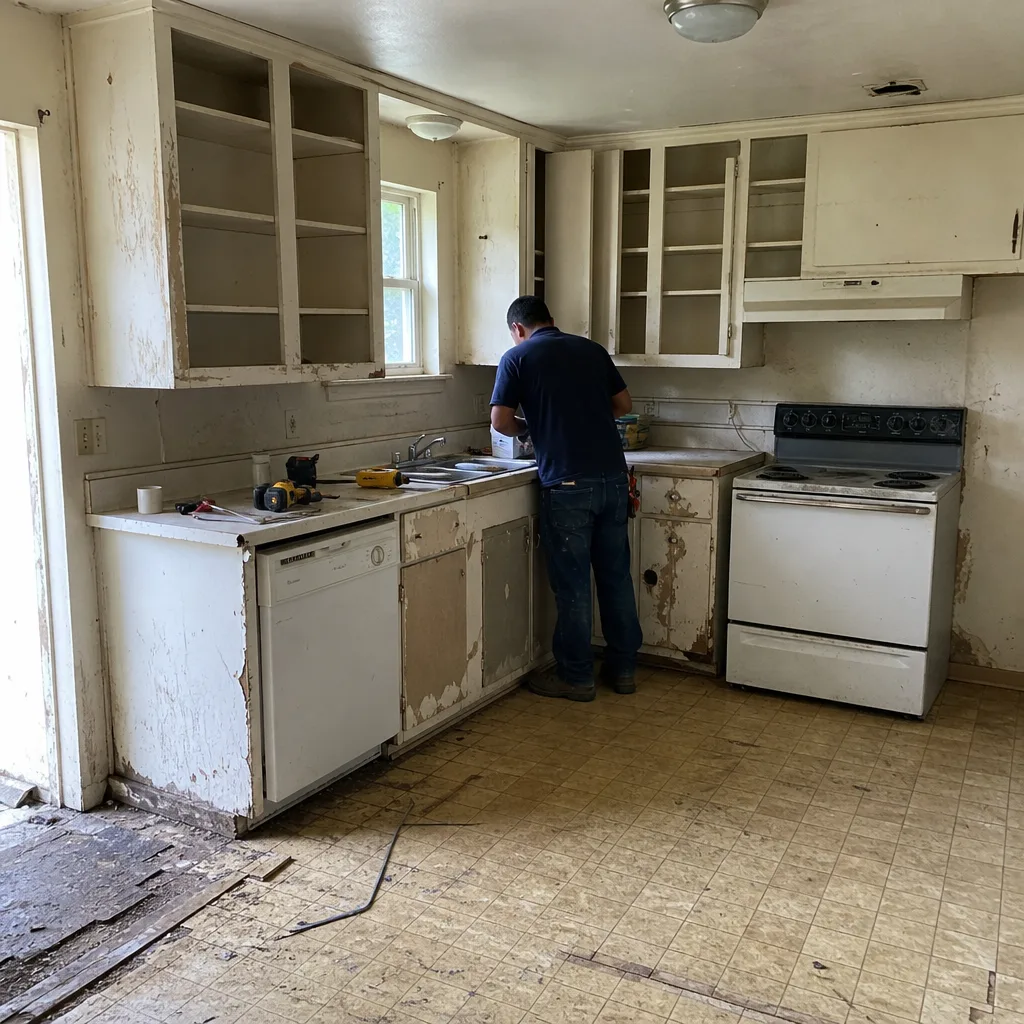 Before
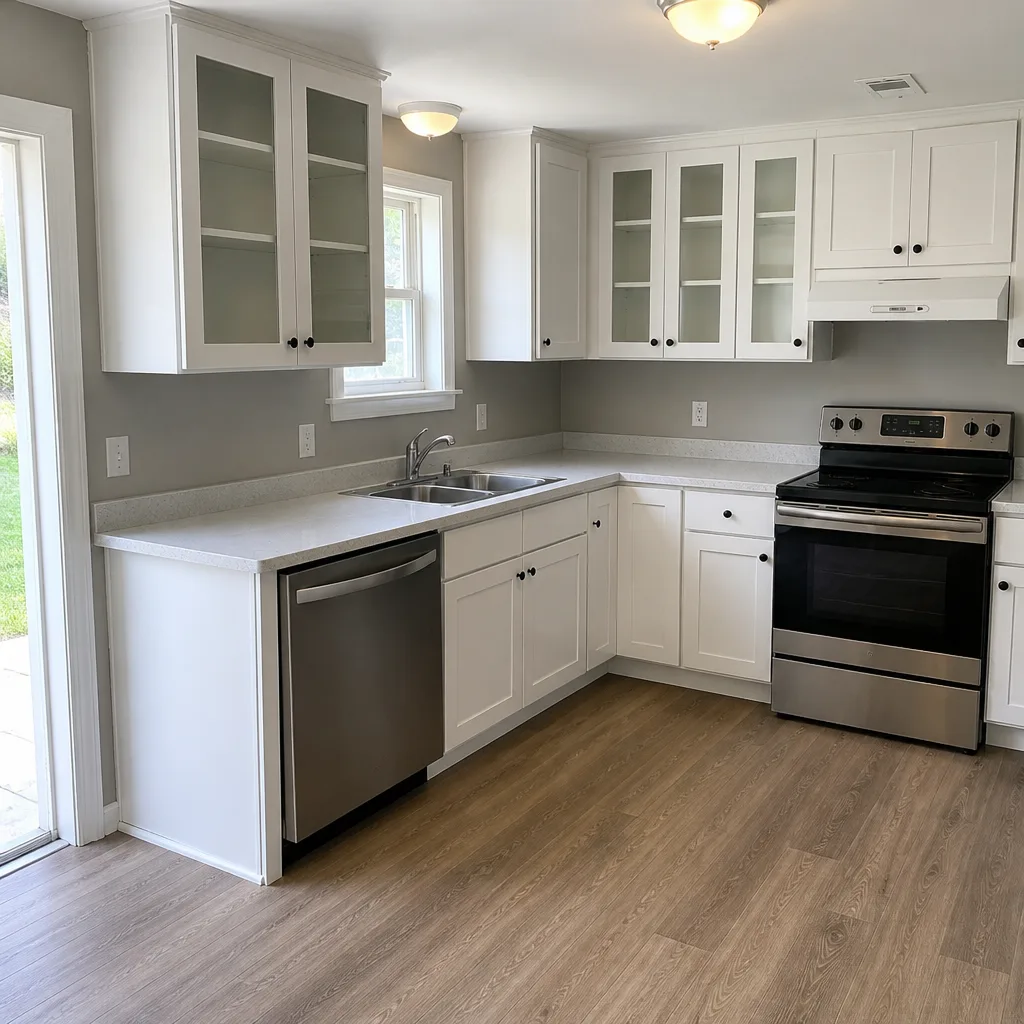 After
When to Call a Professional
Most of the schedule above is homeowner work: inspections, gate screw checks, drainage regrading, and stain application done on a long Saturday. There are specific situations where hiring a pro is the right call. If you find multiple soft posts, a rotted bottom rail along a run, or a fence section that’s leaning by more than an inch, that’s structural work involving post replacement and footing repair. If your fence is over 15 years old and showing signs of widespread rot, repair is often throwing money at a fence that’s ready to be replaced. If a contractor installs a fence for you and you want the maintenance scheduled properly, a written maintenance handoff is part of the job. And if you’re listing the home, a documented maintenance history and a written inspection from a contractor is worth doing.
Groundwork Construction Co. of Dallas offers free estimates in Dallas. Call (844) 797-4808 to schedule yours.
Frequently Asked Questions
Every two to three years, with the south and west runs on the shorter end of that because of UV exposure. Touch up top rails and post caps annually between full stains. In Dallas, the application window is late spring to early summer, before the hottest stretch. Call (844) 797-4808 if you want an exact quote on a professional stain and seal job, and estimates are free.
Yes, but the window is narrower than most people think. Late May and June are best. July and August wood surfaces dry too fast for a good bond, and stain applied to hot wood in direct sun can peel within one season. If you’re staining in July, do it early morning on a shaded side and test one board first. Call (844) 797-4808 for an estimate if you’d rather not gamble the weekend.
A post is rotting if it moves when you push it at shoulder height and watch the base. A screwdriver pushed into the wood at grade should also resist hard; if it sinks easily, the wood is soft. In Dallas clay, a rocking post is nearly always a footing problem, and once rot is present in a post, the fix is replacement, not treatment. Call (844) 797-4808 for a free estimate on a post inspection and replacement.
Ten to fifteen years for a well-built cedar or treated pine fence that gets the full schedule: spring inspection, summer stain, fall drainage check. Skip the schedule and that becomes five to seven years, and the difference is almost always at the post line, not the pickets. If you’re replacing instead of repairing, our fence installation team can walk the options with you.
Dallas fence rules allow a fence up to 8 feet in most residential rear and side yards, with front-yard limits that vary by district, and height is the main thing a permit review looks at. Replacing a fence on the same line at the same height usually doesn’t trigger a full permit process, but site-specific rules exist. If you need the specifics for your address, call us at (844) 797-4808 and we’ll tell you how a rebuild is handled in your neighborhood.
Only on low pressure and never close-up on the pickets. A wood fence needs to be clean before staining, and a pressure washer is a reasonable tool if you keep the nozzle at a wide fan and 12 or more inches away. High pressure gouges softened wood and strips existing coating unevenly, which is what causes the peeling problem most homeowners run into. Call (844) 797-4808 for an estimate if your fence hasn’t been cleaned or stained in several years and needs more than a wash.
The Bottom Line
A wood fence in Dallas lasts as long as its maintenance schedules allows, and the schedule is three things done on time: an April post-and-gate inspection after storm season, a May-to-June stain window with a moisture test before you start, and an October drainage check before the wet season. Add gate hardware checks twice a year and a two-line maintenance log, and you’ve covered everything that actually threatens a Dallas fence. The failures are predictable, which is good news: you can be early on all of them. If your fence is past the point where maintenance is the answer, our Driveway & Pavers team and our Home Additions & ADU specialists work the same exterior logic on the rest of the property: build it right, maintain it on schedule, document it. Groundwork Construction Co. of Dallas backs every project with our 730-Day Done Right Promise and upfront pricing, no surprises.
Call (844) 797-4808 for a free estimate on fence repair, replacement, or a full property exterior plan. Calls are answered by a live person, 24/7.
Written by the team at Groundwork Construction Co. of Dallas.