
Last updated November 17, 2026
 Bathroom remodeling
 Kitchen remodeling
 Home additions & ADU
 Roofing
 Windows & doors
 Driveway & pavers
 Fence
Free written scope consultation - allowances, timeline, and change-order rules on paper before a single trade is scheduled
How Long Does Bathroom Remodeling Take? Timelines and What to Expect
The average Dallas bathroom remodel takes about 30% longer than the original quote. That gap is rarely bad luck. In our experience it comes from one of three predictable, preventable causes that contractors seldom put in writing upfront: custom tile that ships in six weeks instead of two, inspection slots that fill before your rough work is ready, and waterproofing membranes that need time to cure before a single tile goes down. This guide gives you the real numbers by project scope, the Dallas permit realities that shape your calendar, and the day-by-day sequence a well-run 60-square-foot gut remodel should follow. You’ll finish knowing exactly what to ask before you sign.
Quick Answer
A bathroom remodel in Dallas generally takes 5 to 10 days for a cosmetic refresh, 3 to 5 weeks for a mid-level gut and retile, and 6 to 10 weeks for a full primary bath expansion that relocates plumbing. The single biggest variable isn’t labor speed, it’s permit approval and material lead times, which can add two to four weeks if your contractor doesn’t plan around them before demolition starts.
Styles & brands we work with
- Kitchen remodeling
- Bathroom remodeling
- Home additions & ADU
- Roofing
- Windows & doors
- Driveway & pavers
- Fence
Table of Contents
- Timelines by Project Scope
- Dallas Permits: What Needs One and How Long It Takes
- The Three Timeline Killers and How We Plan Around Them
- Day-by-Day Sequence for a 60-Square-Foot Gut Remodel
- Why Full Primary Bath Expansions Take Longer
- How to Read a Timeline Before You Sign
- Keeping Your Dallas Remodel on Schedule
Timelines by Project Scope
Scope drives the calendar more than anything else. A cosmetic refresh touches surfaces. A mid-level gut replaces the wet wall and tile. A full expansion moves plumbing and walls, which pulls in permits, inspections, and trade sequencing that simple refreshes never trigger. Here’s how the ranges break down for Dallas homes.
- Cosmetic refresh (5 – 10 working days): New vanity, faucet, mirror, paint, light fixtures, and a re-grout or tile overlay. No plumbing relocation, no permit in most cases.
- Mid-level gut and retile (3 – 5 weeks): Full tear-out to studs, new cement board or foam board, waterproofing, new tile floor and shower walls, new fixtures on existing rough-in locations. Permit usually required.
- Full primary bath expansion with plumbing relocation (6 – 10 weeks): Moving a toilet, sink, or shower drain, adding a second vanity, enlarging the footprint, or converting a tub to a walk-in shower with a relocated drain line. Permit and multiple inspections required.
Those ranges assume three things: materials are on site before demolition, the permit is in hand, and no hidden rot or cast-iron drain surprises. In older Dallas neighborhoods like Lakewood and M Streets, we regularly find original 1950s cast-iron drain lines that crack during demo and force a plumbing re-route. That adds three to seven days. A contractor who quotes a flat timeline without a contingency line is either guessing or hoping you won’t notice.
Climate matters here too. Dallas summers push attic temperatures past 140°F, which slows thinset curing and forces crews to work earlier or run extra ventilation. Winter cold snaps can freeze exterior plumbing runs in pier-and-beam crawl spaces, so we schedule plumbing rough-in with weather in mind. These aren’t excuses, they’re schedule inputs we build in before day one.
Dallas Permits: What Needs One and How Long It Takes
Permit timing is the most misunderstood part of any bathroom schedule. Homeowners assume the contractor “just pulls it,” and contractors often don’t explain that the clock doesn’t start until the city reviews the application. Here’s what actually requires a permit in the city of Dallas and what can proceed without one.
Work that requires a Dallas permit
- Relocating, adding, or replacing plumbing supply or drain lines beyond a fixture swap
- Adding or moving electrical circuits, outlets, or a new exhaust fan tied to a new circuit
- Moving or removing walls, even non-load-bearing ones, when they contain plumbing or wiring
- Converting a tub to a shower when the drain location changes
- Any structural change, including enlarging a doorway or window opening
Work that typically does not require a permit
- Swapping a vanity, faucet, toilet, or sink in the same location
- Painting, tiling over existing sound substrate, replacing a mirror or light fixture on an existing circuit
- Replacing a showerhead, grab bar, or exhaust fan on an existing circuit
Dallas Development Services reviews residential trade permits through its online portal. In our experience, a clean submittal for a standard bathroom remodel clears the plan review in roughly 5 to 15 business days, and inspection scheduling adds another 2 to 5 days per inspection phase. Older homes in the Bishop Arts district or around White Rock Lake sometimes trigger extra plan review if the property has prior unpermitted work on record. That review can push the timeline another week or two.
This is why we pull permits before demolition, not after. The city’s inspection schedule doesn’t bend to anyone’s calendar, and a rough-in inspection that lands three days late stalls all the tile work behind it. Written upfront pricing matters here, too: a permit fee is a real line item, and we put it on the quote so you’re not surprised by a change order mid-project.
The Three Timeline Killers and How We Plan Around Them
Most blown timelines trace back to one of three causes. All three are foreseeable, which means all three are preventable with a schedule built before the first hammer swings.
1. Custom tile lead times
Standard porcelain tile from a local Dallas distributor ships in 3 to 7 days. Custom-ordered tile, hand-made ceramic, or a specific mosaic for a niche accent can take 4 to 8 weeks, and backorders happen without warning. We lock tile selections and confirm ship dates before demolition, and we build the delivery window into the schedule as a hard milestone. If your tile is custom, the calendar starts when the tile lands, not when the crew shows up.
2. Rough inspection scheduling delays
Every plumbing and electrical rough-in needs to pass inspection before the walls close up. Dallas inspection slots fill fast, especially in spring and early fall when remodeling volume spikes. We build a 2-to-5-day buffer between finishing rough work and the target inspection date, so a full queue doesn’t cascade through your whole project.
3. Waterproofing cure windows
This one surprises nearly every homeowner. A bonded waterproofing membrane like a Schluter system or a liquid-applied membrane needs time to cure before tile installation, and thinset needs time to set before grouting. Rushing those windows is the number one cause of shower failures we get called to fix. We build the cure time into the schedule as non-negotiable. It’s a short delay now versus a tear-out later.
Beyond the big three, two smaller issues add days: material delivery windows that slip when a supplier runs short on a specific fixture finish, and the discovery of hidden water damage behind old tile. We handle the first by ordering confirmed stock from partners we trust, and the second by quoting the scope as inspected and flagging any demo-day surprises in writing before we proceed.
Day-by-Day Sequence for a 60-Square-Foot Gut Remodel
Here’s what a realistic schedule looks like for a standard hall bath or secondary bathroom gut. This is the sequence we hold ourselves to, and it’s the one you should use to hold any contractor accountable. Assume the permit is already in hand and materials are staged.
- Days 1 – 2: Demolition and protection. Tear-out to studs, floor protection on adjacent rooms, haul-away. We inspect for hidden rot and confirm the plumbing configuration matches the plan.
- Day 3: Rough plumbing and electrical. Relocate or replace supply and drain lines, set the new valve, rough in the exhaust fan and any new outlets.
- Days 4 – 6: Rough inspection window. Plumbing and electrical inspection scheduled and passed before walls close. This is where the buffer lives.
- Days 7 – 8: Insulation, blocking, and substrate. Add blocking for grab bars and a bench if specified, install cement board or foam board, tape and seal joints.
- Days 9 – 10: Waterproofing and cure. Apply the membrane system, then let it cure per manufacturer spec. No shortcuts here.
- Days 11 – 18: Tile installation. Shower walls, floor, niche, and any accent. Thinset cure between courses, then grout and seal.
- Days 19 – 21: Fixtures and finishes. Set the toilet, vanity, faucet, shower trim, mirror, and lighting.
- Days 22 – 24: Final inspection and punch list. Final plumbing and electrical inspection, then a walkthrough to close out any touch-ups.
That’s a three-to-four-week cadence for a mid-level gut. Larger primary baths with a freestanding tub, a second vanity, or a frameless glass enclosure stretch by a week or more because the glass is templated after tile is complete and fabricated offsite.
Why Full Primary Bath Expansions Take Longer
An expansion is really two projects stacked. You’re remodeling the bathroom and altering the footprint, which means structural work, new plumbing runs, and often a new window or door. Those changes push the schedule into the 6-to-10-week range, and here’s why the upper half of that range is more common than homeowners expect.
- Plumbing relocation across a slab. Dallas has a lot of slab-on-grade construction. Moving a drain in a slab means cutting concrete, trenching, re-piping, and patching. That single item can add a week and requires its own inspection.
- Structural changes. Moving a wall to enlarge the bath needs engineering, a permit amendment, and inspection before framing closes.
- Custom glass and vanities. Frameless shower glass is templated after tile and fabricated in two to four weeks. A custom vanity cabinet adds similar lead time.
- Trade sequencing. More trades means more handoffs, and every handoff is a scheduling risk. Plumbing, electrical, HVAC, drywall, tile, glass, and finish carpentry all need to land in the right order.
We plan the expansion schedule around the longest lead item, not the fastest. If the glass is six weeks out, the tile and plumbing milestones are worked backward from that date. That’s how you avoid a finished bathroom sitting idle waiting on one piece of glass.
How to Read a Timeline Before You Sign
A schedule on a bid is a promise. A schedule with milestones, buffers, and named lead items is a plan. Here’s how to tell the difference before you commit a dime.
- Ask for the permit date, not just the start date. A contractor who can’t tell you when the permit was submitted and when it’s expected to clear is guessing about your start.
- Ask which materials are custom and their ship dates. If the answer is “we’ll figure it out,” your timeline is fictional.
- Ask where the buffers are. A schedule with zero slack for inspections and cure time is a schedule that will slip.
- Ask who shows up. Background-checked, uniformed technicians on every job is a baseline standard, not a bonus. It matters because reliability on the crew side is reliability on the calendar side.
- Ask what happens if work is wrong. A written workmanship guarantee tells you the contractor plans to be around to honor it.
One more standard to check: does the bid lock the price? Upfront pricing means the number you sign is the number you pay, and change orders only happen for scope changes you approve in writing. When a contractor quotes fast and vague, the timeline and the budget both tend to drift together.
Groundwork Construction Co. builds cure time, inspection buffers, and material delivery windows into every project schedule before work starts. We pair that with the 730-Day Done Right Promise. If something isn’t done right, we make it right. Calls are answered by a live person around the clock, and every technician is background-checked and arrives in uniform. When you’re comparing bids, those commitments are the ones worth weighing against a lower number that comes with no plan behind it.
Keeping Your Dallas Remodel on Schedule
Once work starts, a few habits keep the project moving. Decide finishes early. Every fixture and tile selection you defer becomes a delivery delay you can’t see coming. Keep a single decision-maker on your side so no one has to wait on a group text. And stay reachable during rough-in week, because inspection scheduling and any demo-day surprises need fast answers.
Weather plays a role you might not expect. Summer heat means crews start earlier and thinset cures faster, which can shave a day or two off tile work if ventilation is handled. Winter means exterior plumbing in pier-and-beam crawl spaces needs insulation and a warmer rough-in window. An experienced crew plans around both, and a good schedule has room for the local reality.
If you’re expanding scope while you’re at it, say so upfront. Adding a fence or a paver path alongside a remodel is a separate project with its own timeline, and bundling decisions early keeps both moving. Our Fence Installation in Dallas team and our Driveway & Pavers in Dallas crews work the same trusted-material standard as our bath crews.
Common Mistakes to Avoid
- Skipping the permit to save time. In Dallas, unpermitted plumbing and electrical work surfaces during a future home inspection or resale, and the fix often costs more than the remodel. Pull the permit upfront and build the review window into your plan.
- Ordering custom tile after demolition starts. If you tear out first and pick tile second, an 8-week lead time lands in the middle of your project with no walls to work on. Lock selections before demo.
- Rushing the waterproofing cure. The single most expensive shortcut in a bathroom. A rushed membrane fails behind the tile, and the repair means a full tear-out of everything you just paid for.
- Accepting a flat timeline with no milestones. A single number with no permit date, material dates, or inspection buffers is a guess dressed up as a schedule. Ask for the breakdown.
- Overlooking hidden damage in older Dallas homes. Cast-iron drains and galvanized supply lines in Lakewood and M Streets era homes often fail during demo. Budget a contingency line, not a surprise.
- Choosing the lowest bid without checking the warranty. A cheap quote with a one-year guarantee isn’t cheaper if the shower leaks in year two. The 730-Day Done Right Promise is one of the longest workmanship guarantees in residential construction for a reason.
- Forgetting to plan inspection access. Dallas inspectors need to see rough-in work, which means the schedule needs a hold point before walls close. Miss it and you reopen walls later.
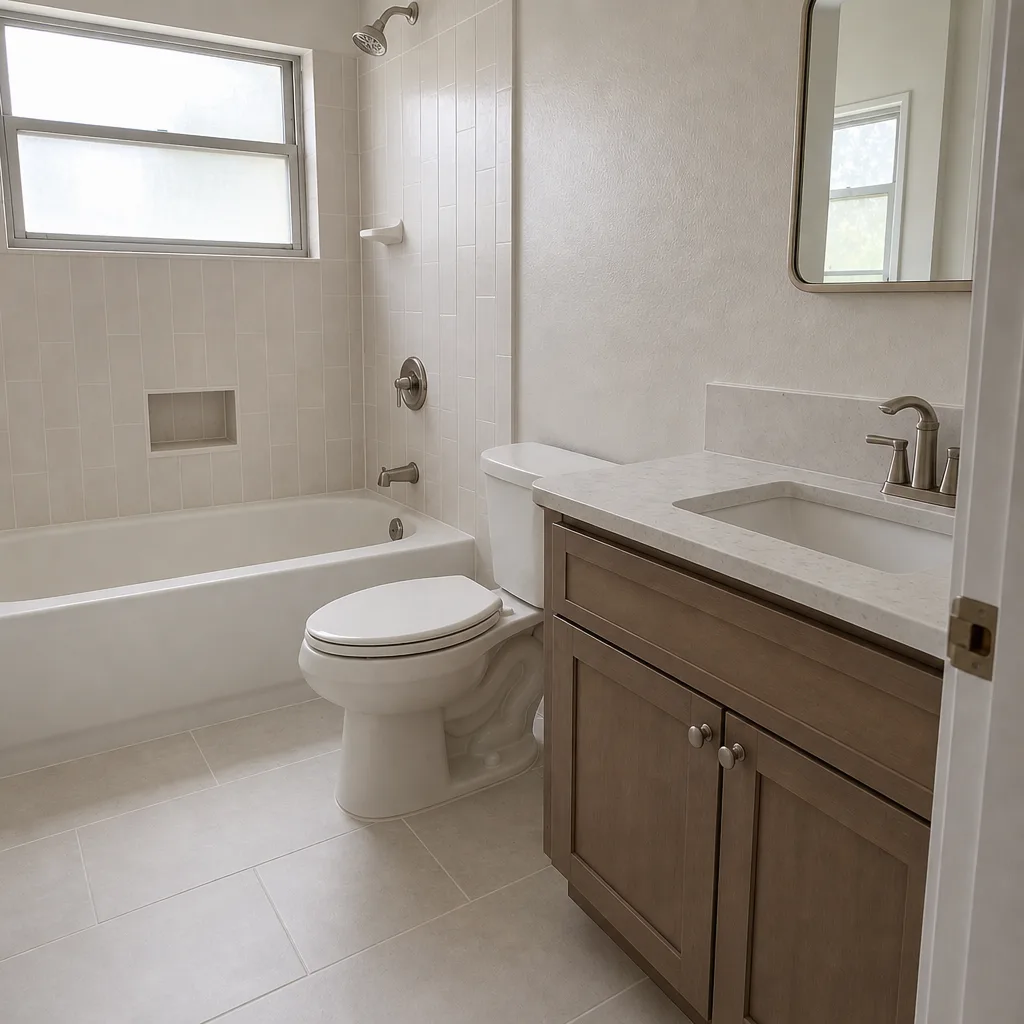
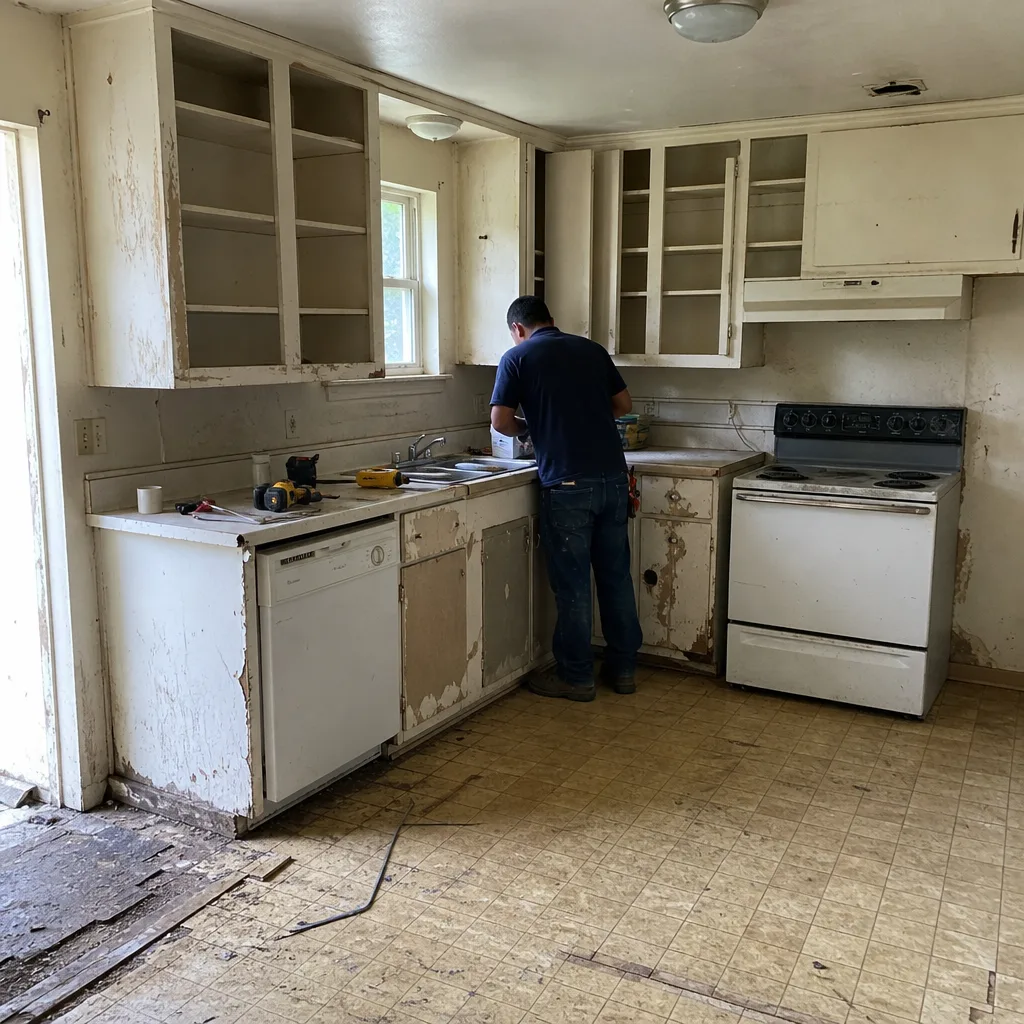
See the difference
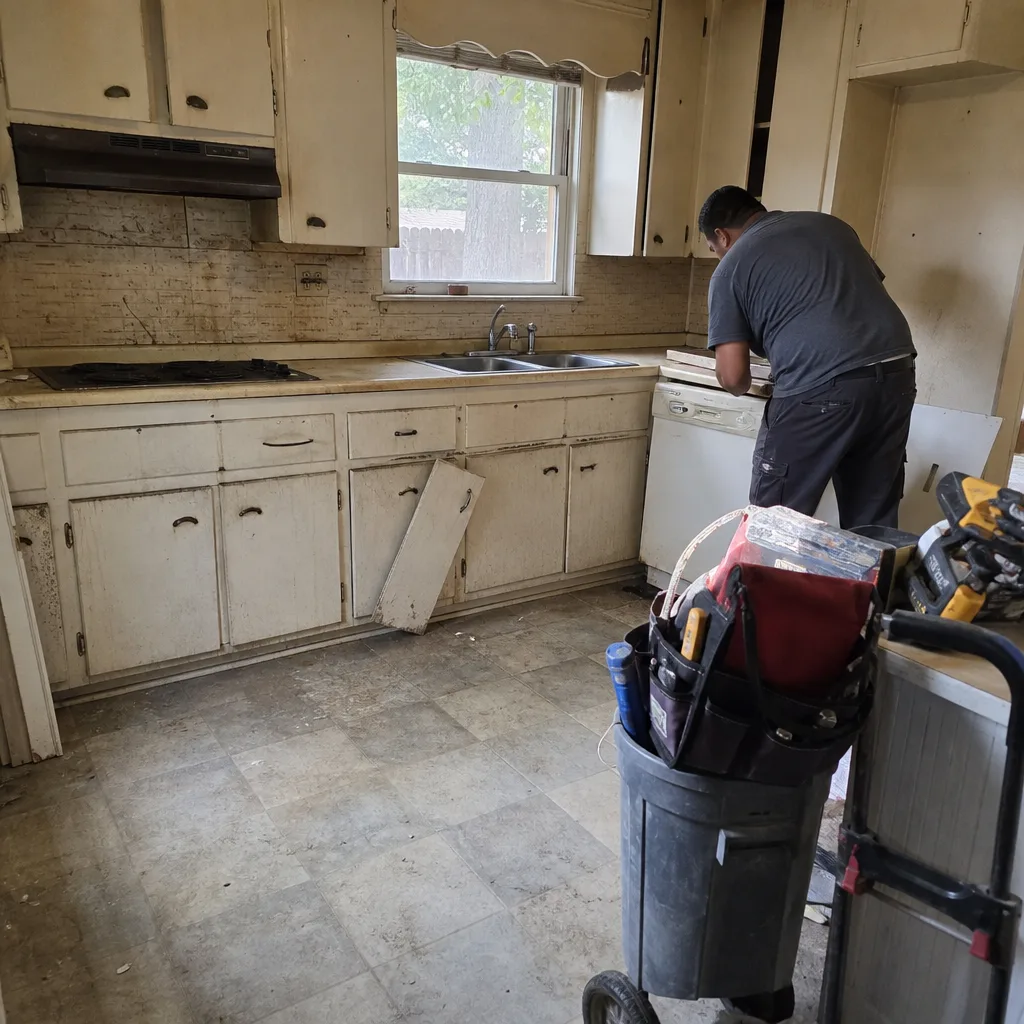 Before
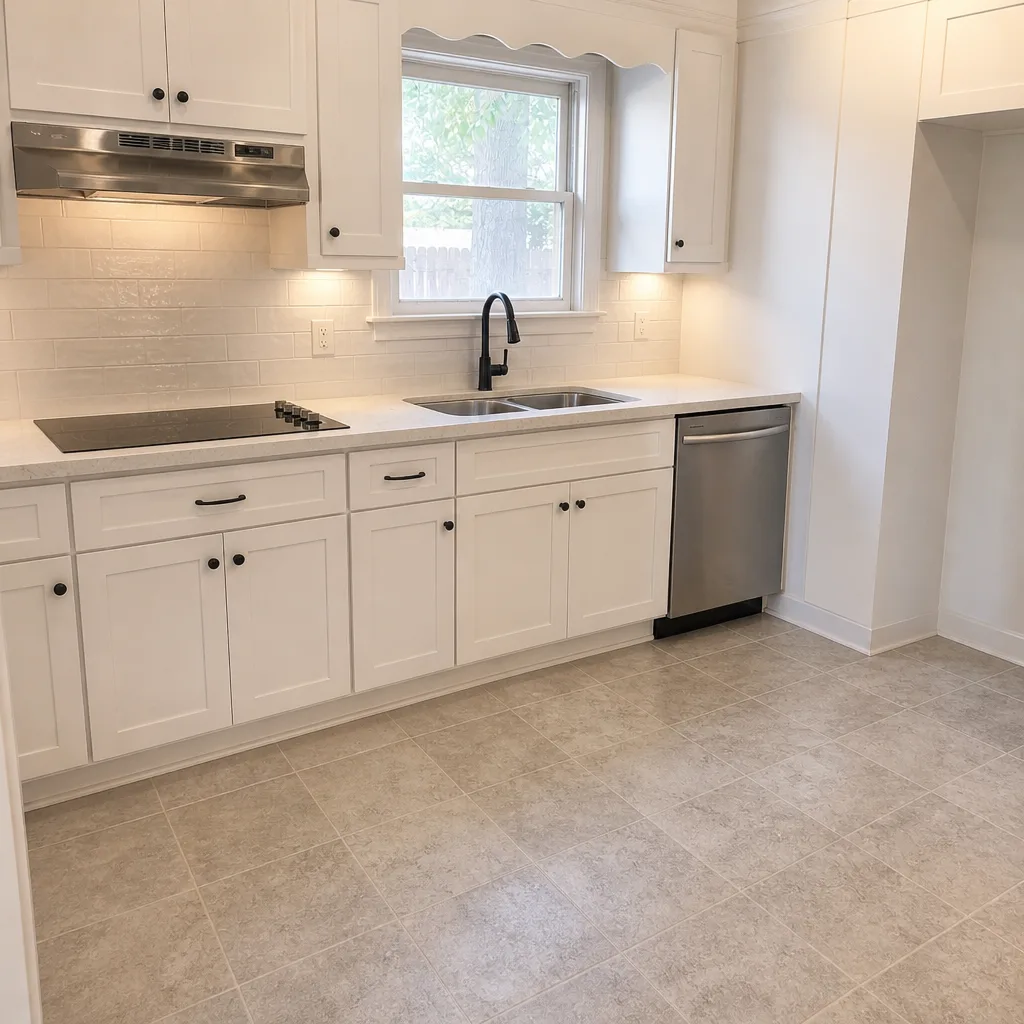 After
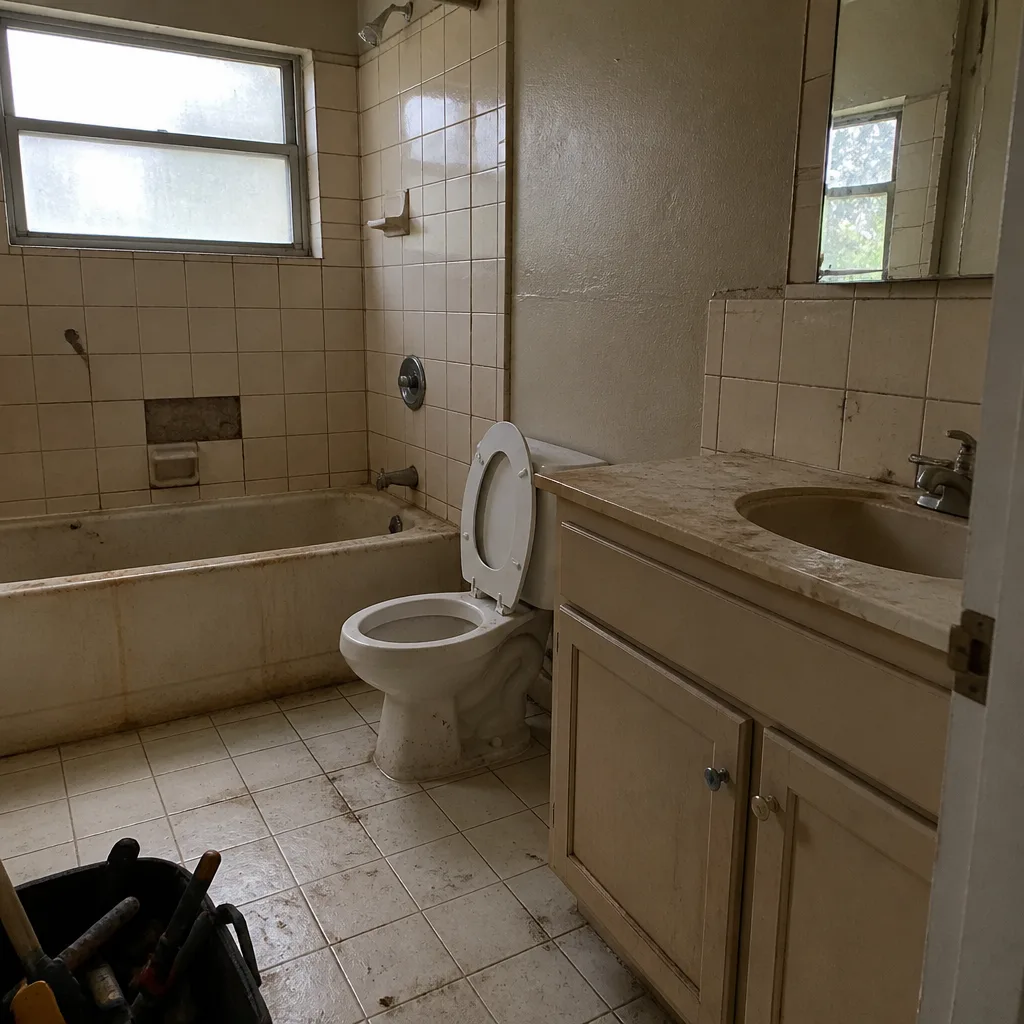 Before
 After
 Before
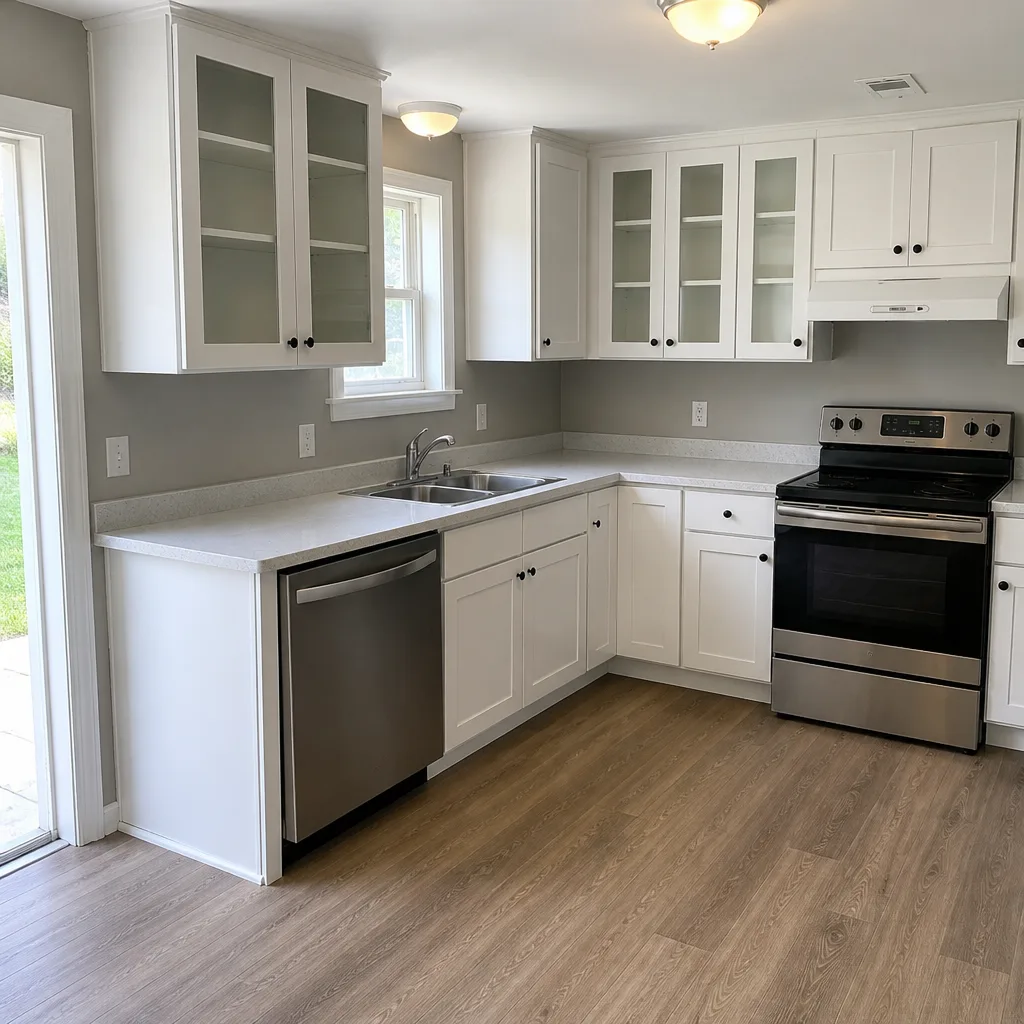 After
When to Call a Professional
Some of this work isn’t a do-it-yourself project. If you’re moving a drain line in a slab, replacing cast-iron plumbing, altering electrical circuits, or relocating a wall, call a professional. Dallas permits, inspection scheduling, and slab work are all reasons to have a licensed contractor handle the job. If you’re dealing with a shower that’s leaked behind the tile, that’s a full assessment, not a patch. Groundwork Construction Co. of Dallas offers free estimates in Dallas. Call (844) 797-4808 to schedule yours. Our technicians have up to 12 years of experience, and every project is covered by the 730-Day Done Right Promise. From foundation to finish line, we plan the schedule before we swing the first hammer.
Frequently Asked Questions
A bathroom remodel in Dallas takes 5 to 10 days for a cosmetic refresh, 3 to 5 weeks for a mid-level gut and retile, and 6 to 10 weeks for a full primary bath expansion with plumbing relocation. Permit review and material lead times are usually the deciding factors. Call (844) 797-4808 for an exact timeline on your project – estimates are free.
You need a Dallas permit for anything beyond a like-for-like fixture swap, including moving plumbing or electrical, relocating a drain, changing walls, or converting a tub to a shower when the drain moves. Simple swaps (vanity, faucet, toilet, sink in the same spot) typically don’t require one. Get the scope in writing so you know exactly what applies. Call (844) 797-4808 and we’ll walk you through it.
Most overages come from three preventable causes: custom tile lead times, inspection scheduling delays, and waterproofing cure windows. Contractors who don’t build buffers into the schedule get caught by all three. A written schedule with named material dates and inspection hold points is what keeps a project on track. Call (844) 797-4808 to see how we plan ahead.
Yes, for a cosmetic refresh. A mid-level gut and retile in Dallas realistically takes 3 to 5 weeks because of permit review plus waterproofing cure, and it shouldn’t be compressed further. Rushing the cure is what causes shower failure later. Call (844) 797-4808 for a realistic timeline on your scope.
Moving plumbing in a slab-on-grade floor is the biggest single time-eater, adding about a week plus its own inspection. Custom glass and custom vanities add weeks of lead time after tile is complete. Ask any contractor to name your two longest-lead items before you sign. Call (844) 797-4808 for an honest scope review.
Only if you change scope. Upfront pricing means the number you see is the number you pay, and any change order is presented in writing and approved by you before work continues. Hidden rot or a failed drain found during demo is a documented scope change, not a surprise. Call (844) 797-4808 for a written, line-item estimate – it’s free.
The Bottom Line
Timeline honesty is a construction competence test. A contractor who gives you one number for a bathroom remodel is either guessing or hoping you won’t notice when it slips. The real numbers are 5 to 10 days for a cosmetic refresh, 3 to 5 weeks for a mid-level gut, and 6 to 10 weeks for a full expansion, with Dallas permits, custom material lead times, and waterproofing cure windows as the three biggest schedule factors. Ask for permit dates, material dates, and buffers before you sign. If you want a schedule built to hold, start with a free estimate.
Written by the team at Groundwork Construction Co. of Dallas.