
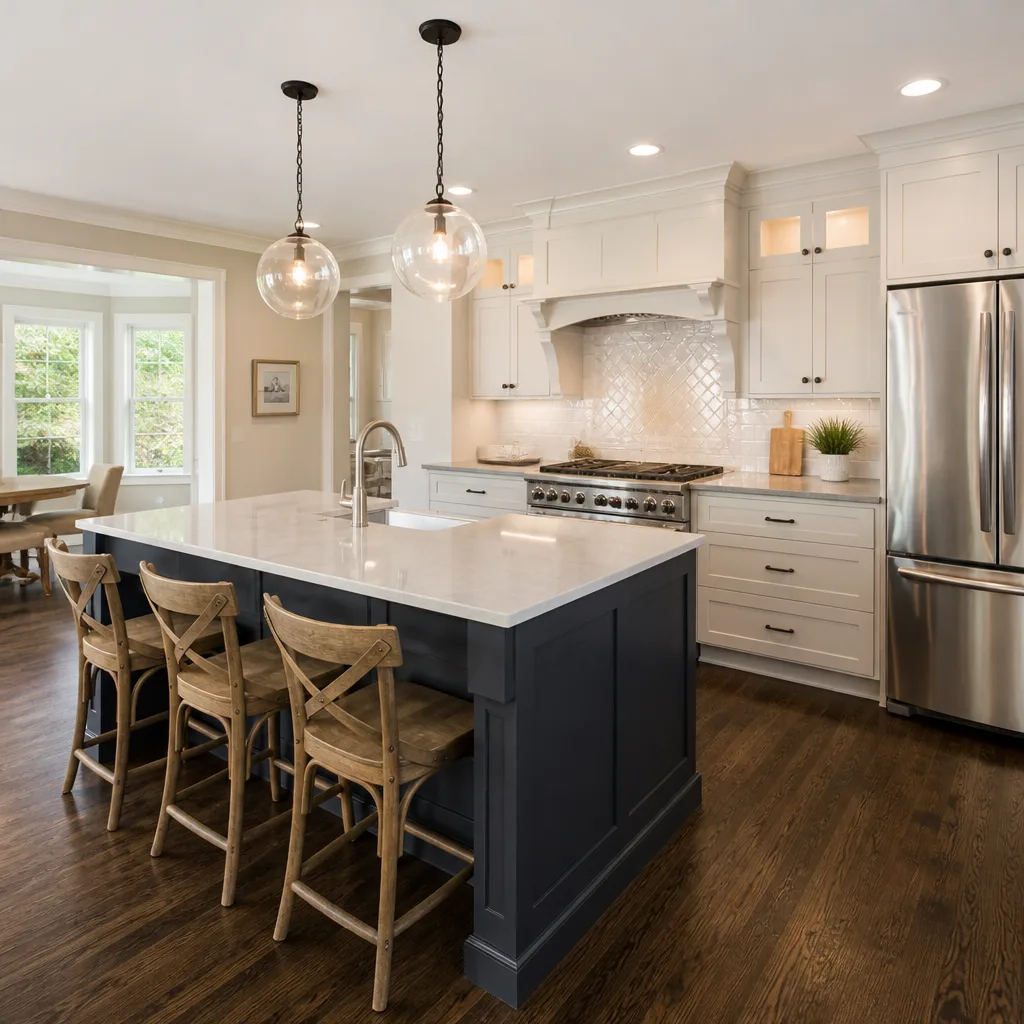
 Kitchen remodeling
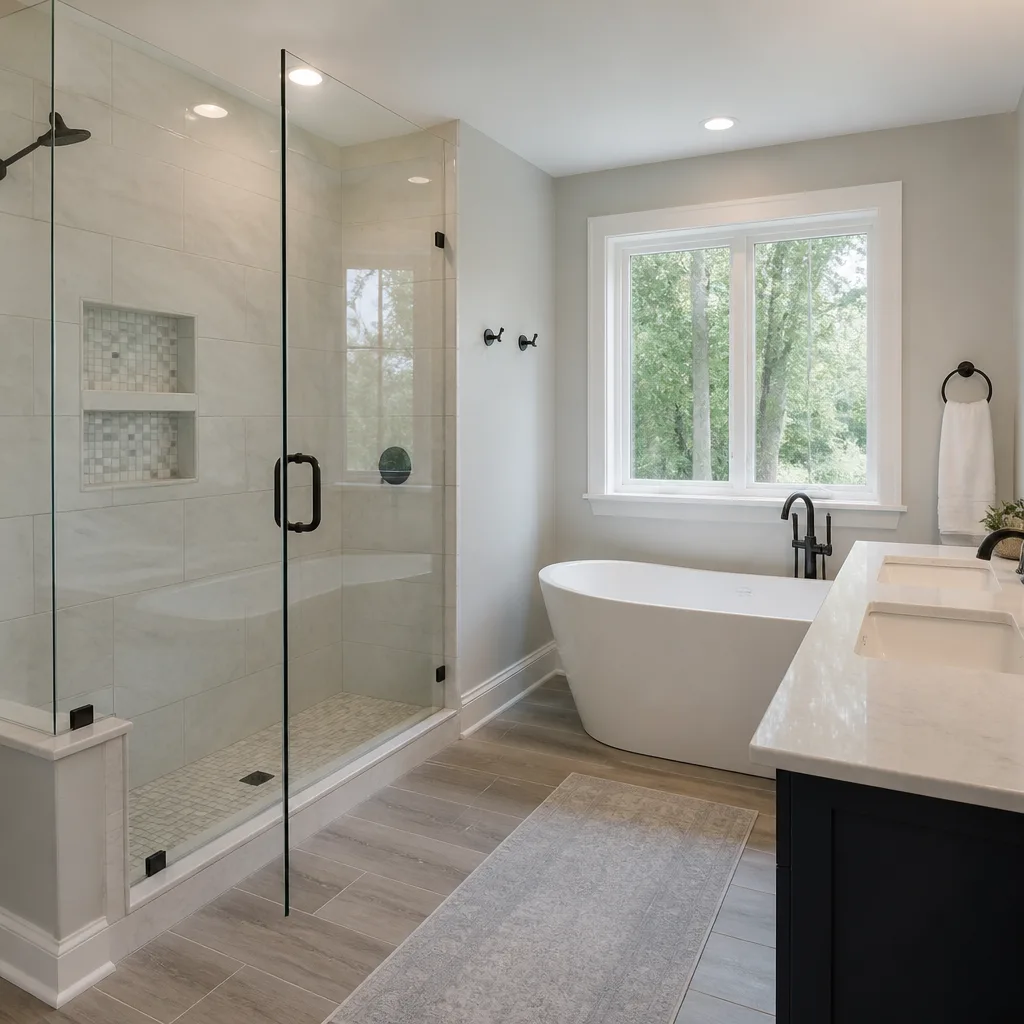 Bathroom remodeling
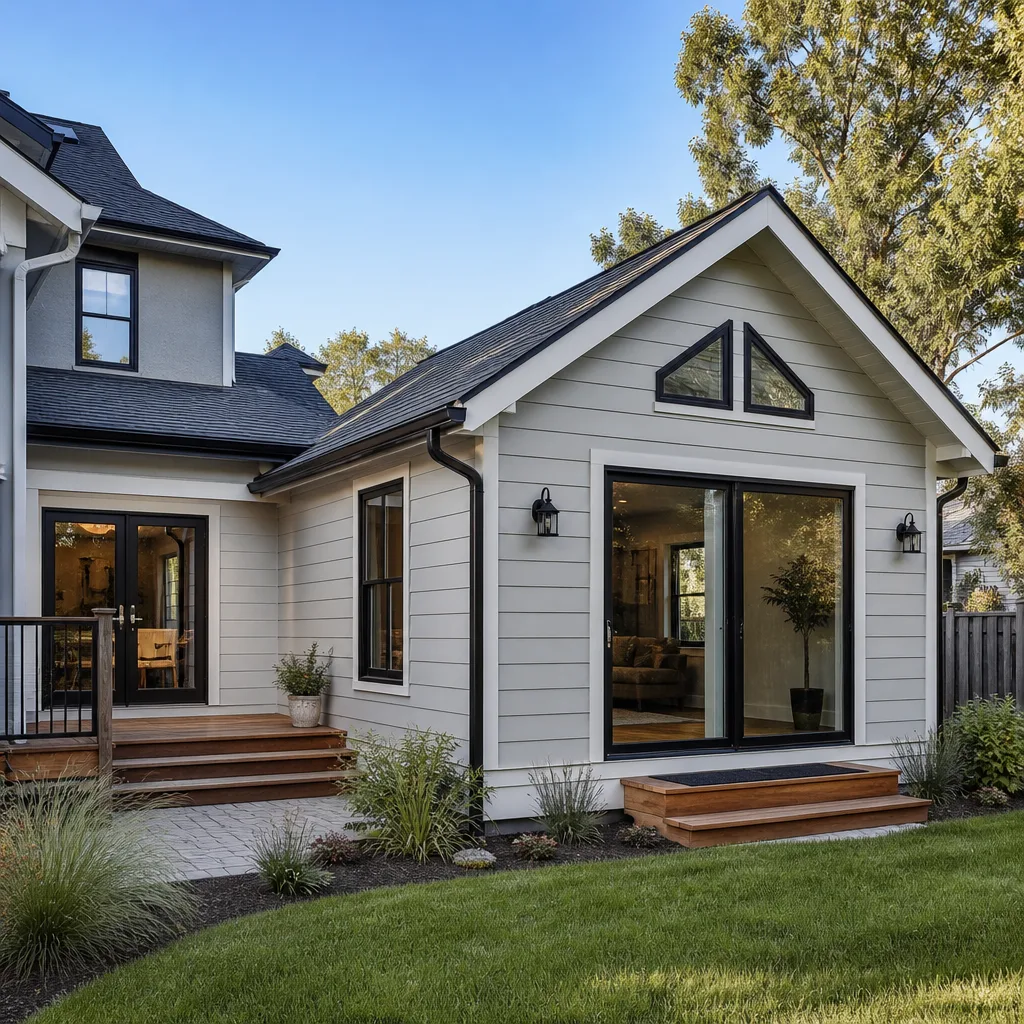 Home additions & ADU
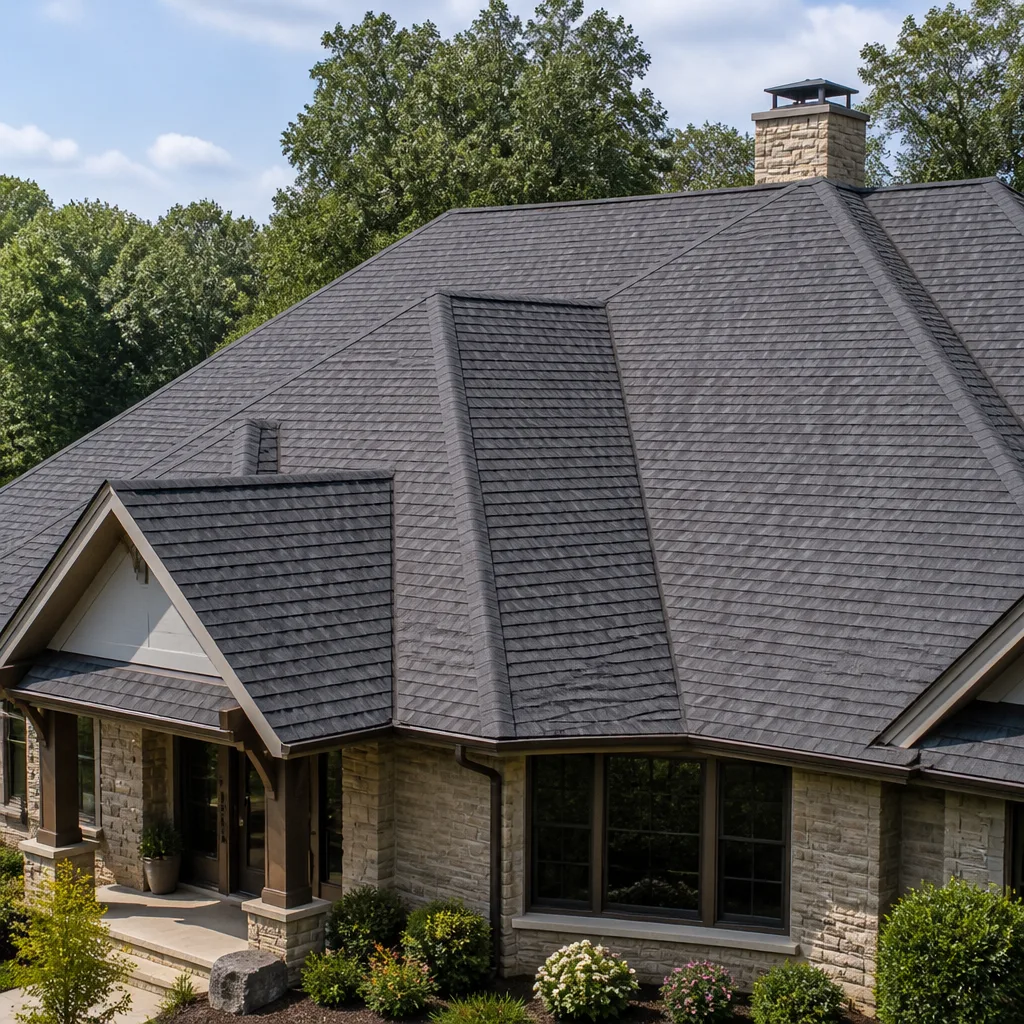 Roofing
 Windows & doors
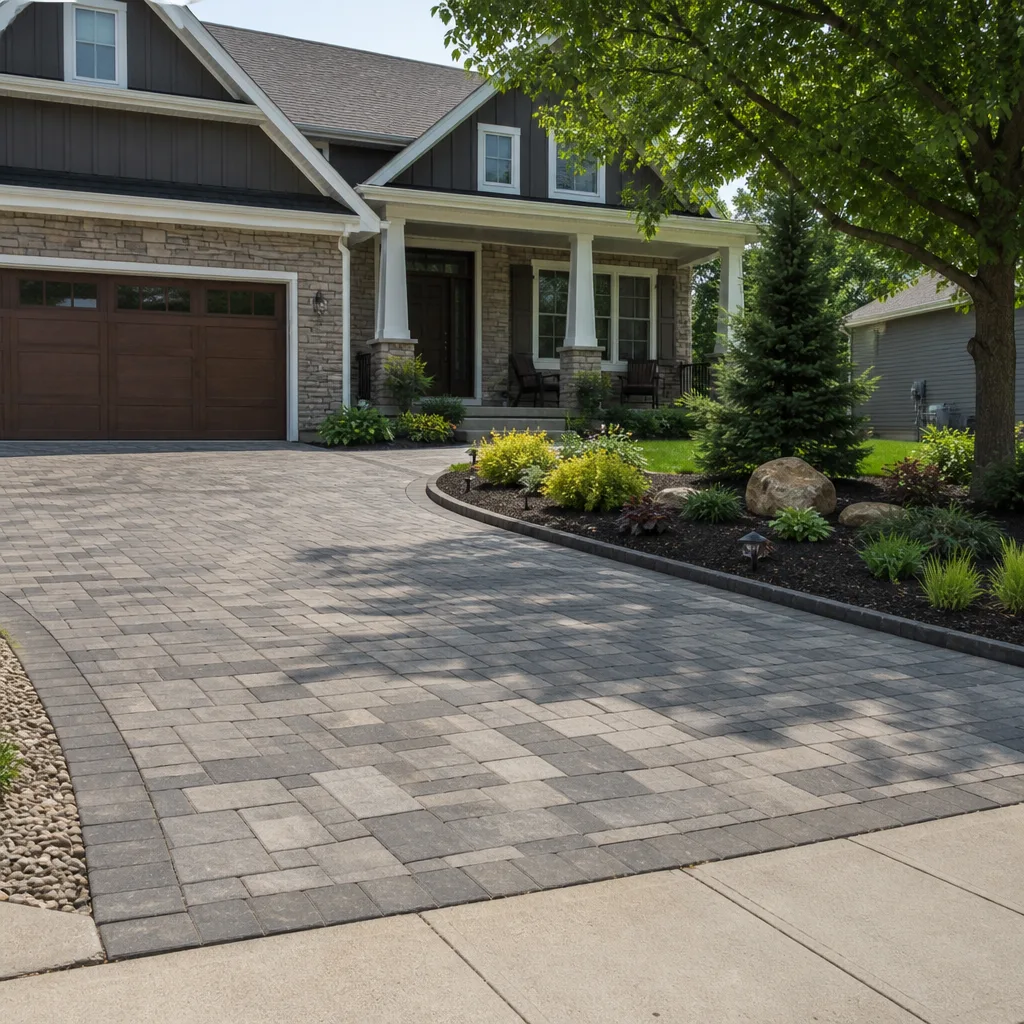 Driveway & pavers
 Fence
Free written scope consultation - allowances, timeline, and change-order rules on paper before a single trade is scheduled
Styles & brands we work with
- Kitchen remodeling
- Bathroom remodeling
- Home additions & ADU
- Roofing
- Windows & doors
- Driveway & pavers
- Fence
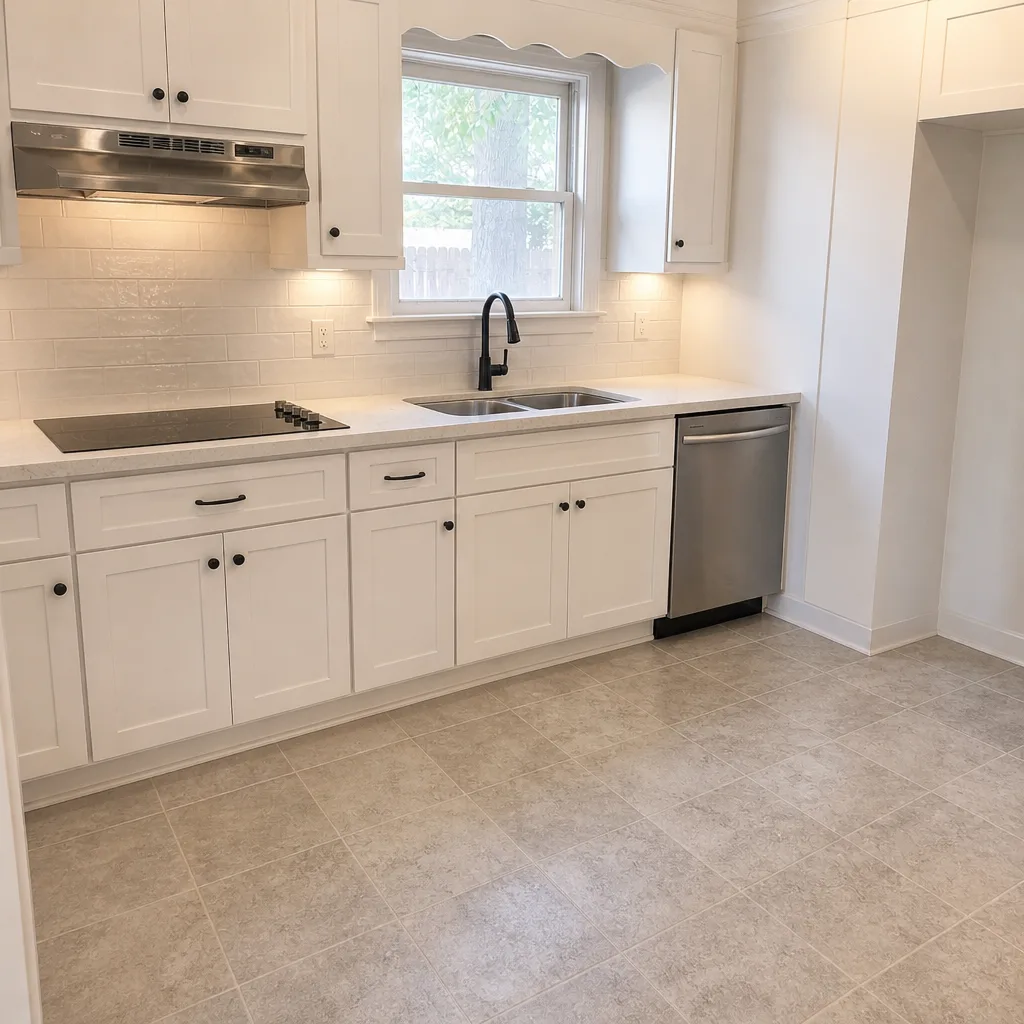
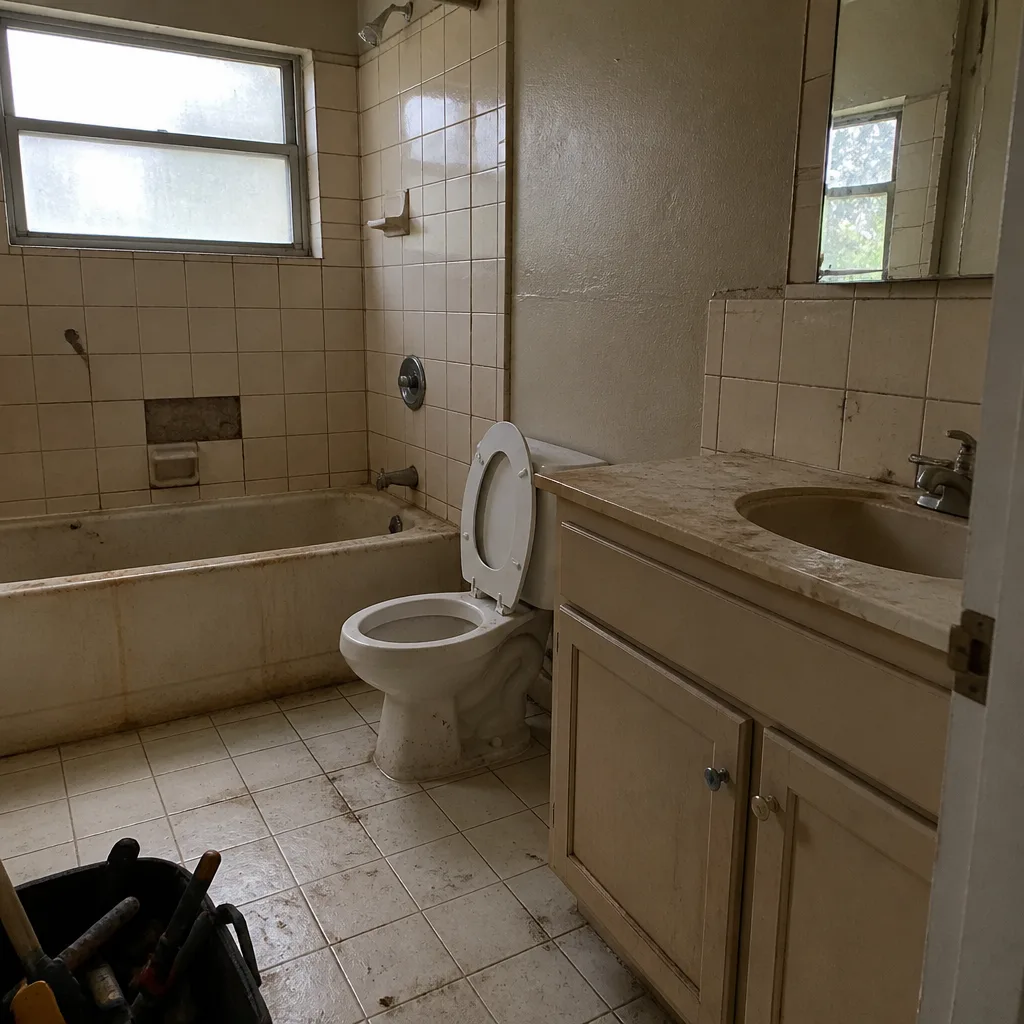
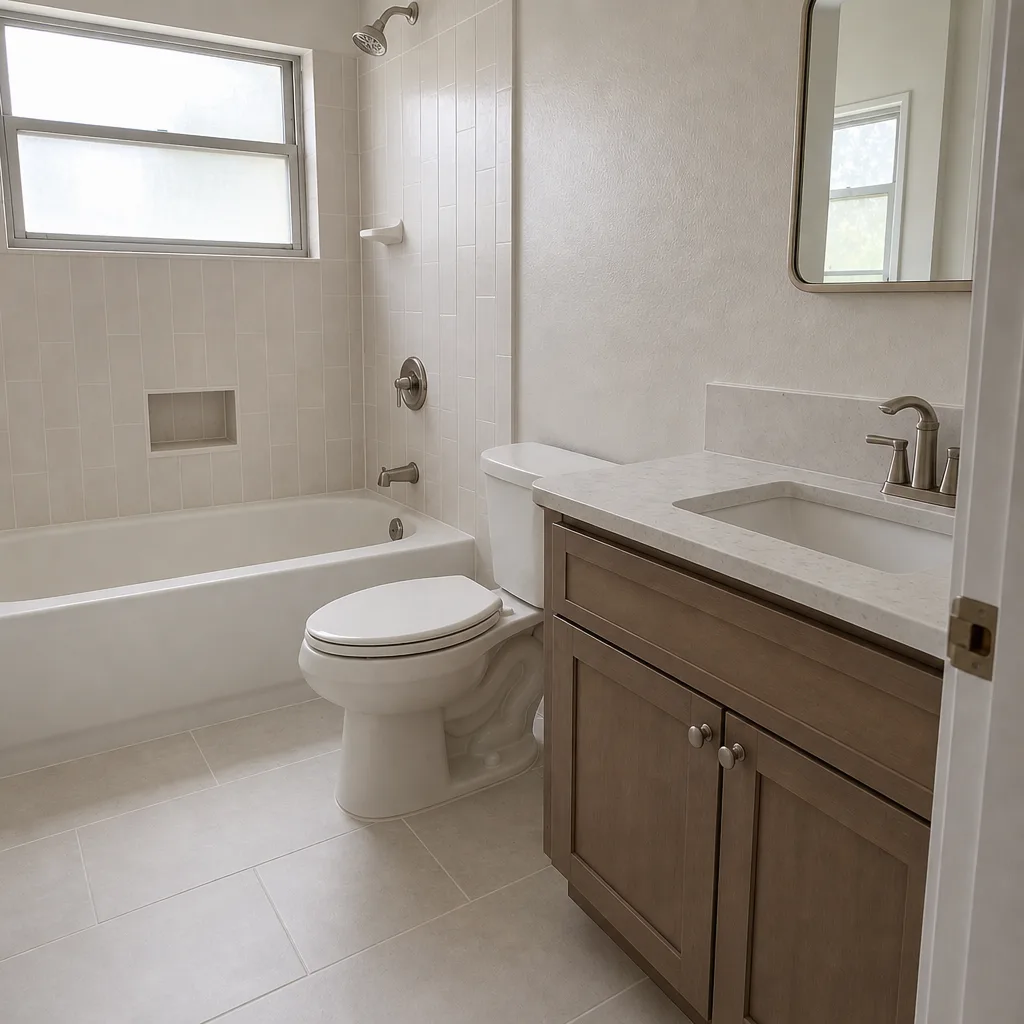
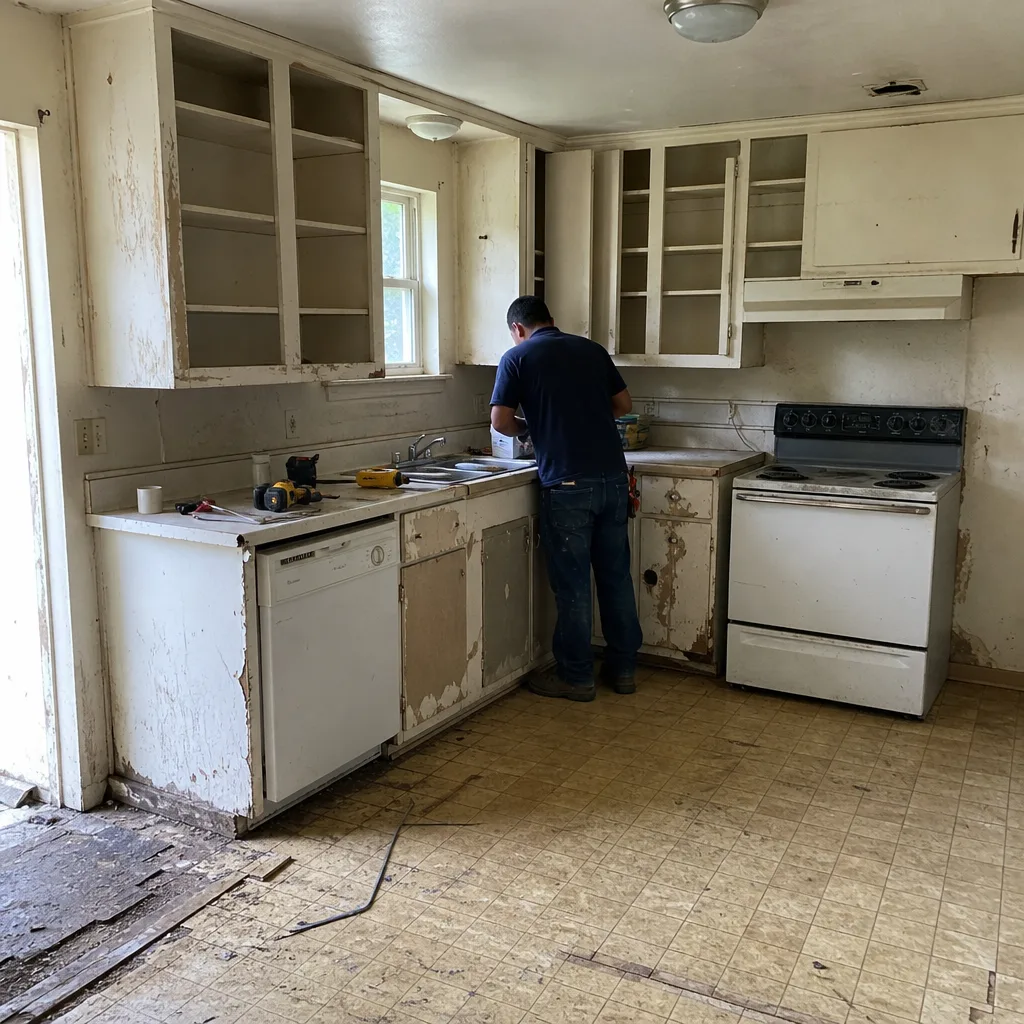
See the difference
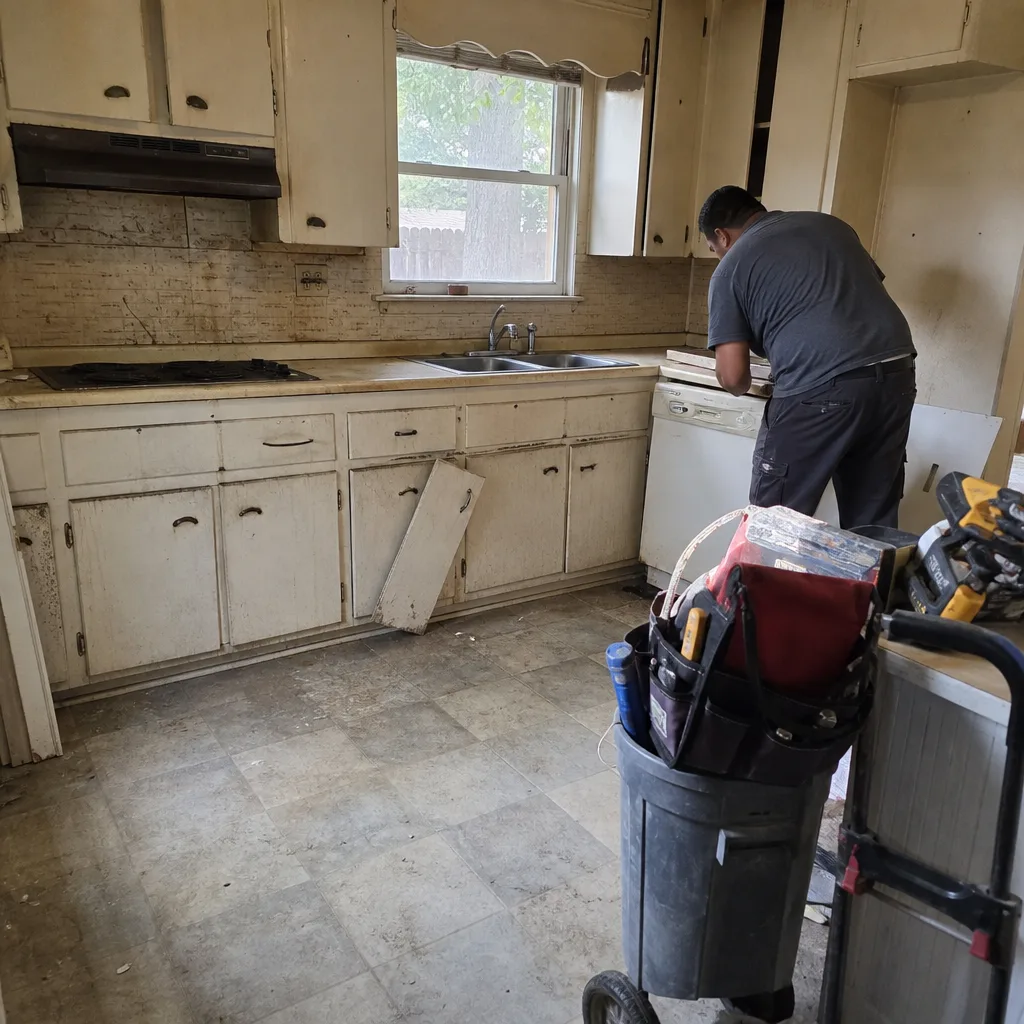 Before
 After
 Before
 After
 Before
 After
How Long Before You Can Drive on New Concrete in Dallas, TX?
The short answer: wait at least 7 days before driving a car on a new concrete driveway in Dallas, 14 days before parking a heavy pickup or loaded trailer, and 28 days before treating the slab as full-strength. Those numbers are minimums, not finish lines, and in a Dallas summer they depend heavily on how the slab was cured. If you’re scheduling a pour and want the timing written down instead of guessed, call Groundwork Construction Co. of Dallas at (844) 797-4808 for a free estimate.
Here’s the part that trips people up. A fresh slab in Dallas in July can feel rock-hard underfoot by day four. That feeling is surface cure, and it has very little to do with whether the concrete underneath has developed the strength to carry a vehicle.
Why a Dallas Slab Feels Ready Before It Is
Concrete doesn’t dry into strength. It cures through a chemical reaction between cement and water, called hydration, and that reaction needs moisture to keep going. When the air is 100°F and the relative humidity drops, water leaves the slab fast through the exposed surface. The top quarter-inch hardens quickly, which is exactly what your hand feels. The middle and bottom of the slab, still working through hydration, can lag well behind.
That gap between “hard on top” and “strong all the way through” is why the standard 7-day rule is a floor in Dallas, not a target. Load a slab on day five because it feels solid, and you can trade a fast win for problems that show up two summers later: scaling across the surface, hairline cracking under the weight of a truck, and micro-cracking below the surface that shortens the slab’s life. The surface passed your test. The structure didn’t pass its own.
Which is why a good Dallas contractor doesn’t leave curing to chance. On a summer pour, curing compound or wet burlap goes down right after finishing, not as an optional add-on. Both slow evaporation enough for hydration to continue at depth. Skipping that step on a 100°F day is one of the most common reasons a slab that looked perfect in week one starts shedding its top layer by year three.
A Dallas-Calibrated Loading Timeline
This is the schedule we give homeowners on closeout, adjusted for a North Texas summer pour with proper curing:
| Load Type | Minimum Wait (Summer, Cured) | Notes |
|---|---|---|
| Foot traffic | 24-48 hours | Keep pets and kids off until finishing is fully set |
| Passenger vehicles | 7 days | Assumes curing compound or wet cure applied |
| Heavy pickups, loaded trailers, delivery trucks | 14 days | Point loads concentrate stress on a young slab |
| Full design strength | 28 days | When the slab reaches its engineered rating |
Push those numbers out if the pour wasn’t cured properly. A slab that baked uncovered through a 100°F week is a different, weaker slab than one under curing compound or burlap, and there’s no way to eyeball the difference at day seven. When in doubt, wait longer. A week of patience is cheaper than a replacement slab.
The Clay Underneath Changes the Risk
Dallas sits in the Blackland Prairie, and the expansive clay under most of the city swells when it’s wet and shrinks when it’s dry. That wet-dry cycle is the reason foundation work here looks nothing like it does on the limestone south of us in the Hill Country. Clay moves, and it transmits point loads differently than stable subgrade does.
Here’s the interaction most homeowners never hear about. A fresh pour introduces a lot of moisture into the subgrade. That clay needs time to re-compact and settle back around its new moisture level. Load a driveway with a heavy vehicle before that process finishes, and you’re pressing down on soil that’s still shifting. That’s a common path to settlement cracking, and on Dallas clay, a slab poured without proper drilled-pier depth can show stair-step brick cracks and sticking doors within just a few dry summers. The cure clock and the soil clock run on different schedules, and both matter before you park anything heavy on the slab.
This is also a big part of why Groundwork Construction Co. of Dallas puts your drive-on date in writing at closeout. Homeowners deserve a specific answer for their specific slab, not a generic rule off the internet. Our technicians bring up to 12 years of experience to every pour, and every project is backed by our 730-Day Done Right Promise: if the slab doesn’t perform the way it should through two full Dallas summers and a hard freeze, we make it right.
What a New Driveway Costs in Dallas
Loading timeline questions usually come alongside a budget question, so here are the ranges we see across Dallas. Upfront pricing, no surprises, and the number you see is the number you pay.
- Concrete driveway installation: $4,500-$12,000
- Paver driveway installation: $7,000-$18,000
- Driveway replacement: $5,000-$14,000
- Driveway sealing (after full cure): $250-$700
Sealing is worth its own note here. Fresh concrete shouldn’t be sealed until it has cured for roughly 28 to 30 days. Seal it early and you trap moisture that needs to leave, which can cause clouding or a blotchy finish. Wait until the slab has finished that first month before anyone rolls sealer on it.
Installing vs. Repairing: When to Pour New
If your existing Dallas driveway is already scaling, cracking, or settling on that clay, a new pour may cost less over ten years than repeated patching. For a walkthrough of options, our Driveway & Pavers page covers concrete and paver builds in detail, and if you’re weighing materials, our Driveway & Pavers in Dallas guide is a good place to start.
Not every slab needs replacing, though. Hairline cracks that haven’t widened are usually cosmetic. The calls we get worried about are the ones with sunken sections, stair-step cracking along a foundation edge, or doors that have started sticking, since those point to soil movement under the slab rather than the concrete itself. That’s a foundation question more than a paving one, and it’s worth a look before you spend money on a new surface over a moving base.
Frequently Asked Questions
No. At three days in Dallas summer heat the surface may feel hard, but the slab hasn’t developed enough structural strength to carry a vehicle safely, and doing it can cause scaling and hidden subsurface cracking. Seven days is the practical minimum for passenger cars, and that assumes the slab was cured with compound or wet burlap. Call (844) 797-4808 if you’re not sure how your slab was finished, and we’ll talk through it.
It speeds up surface hardening, but heat alone doesn’t guarantee full-depth curing, and dry summer conditions can actually slow hydration by pulling moisture out of the slab too quickly. That’s why a Dallas pour needs curing compound or wet cover right after finishing. Hydration is a moisture process, not a heat process, and the two get confused constantly.
Wait at least 14 days, and longer if the slab wasn’t properly cured or the subgrade is fresh. Dallas clay needs time to re-compact after pour moisture, and pointing a heavy load at a young slab over moving soil is the setup for settlement cracks. For an exact call on your specific slab, reach us at (844) 797-4808, and estimates are free.
Yes, generally 28 to 30 days. Sealer applied before the slab finishes curing can trap moisture and leave a cloudy, uneven finish. The 28-day mark is the same one that matters for full-strength loading, and it’s a reasonable target for resealing and heavy use together.
Get Your Drive-On Date in Writing
If you’d rather have it looked at, Groundwork Construction Co. of Dallas offers a no-pressure assessment in Dallas, from a quick read on an existing slab to a full new pour with the cure schedule documented at closeout. From foundation to finish line, built to last and backed in writing. Call (844) 797-4808 for a free estimate, and a live person answers around the clock.
Written by the team at Groundwork Construction Co. of Dallas, serving Dallas, TX.