
 Kitchen remodeling
 Bathroom remodeling
 Home additions & ADU
 Roofing
 Windows & doors
 Driveway & pavers
 Fence
Free written scope consultation - allowances, timeline, and change-order rules on paper before a single trade is scheduled
Styles & brands we work with
- Kitchen remodeling
- Bathroom remodeling
- Home additions & ADU
- Roofing
- Windows & doors
- Driveway & pavers
- Fence
See the difference
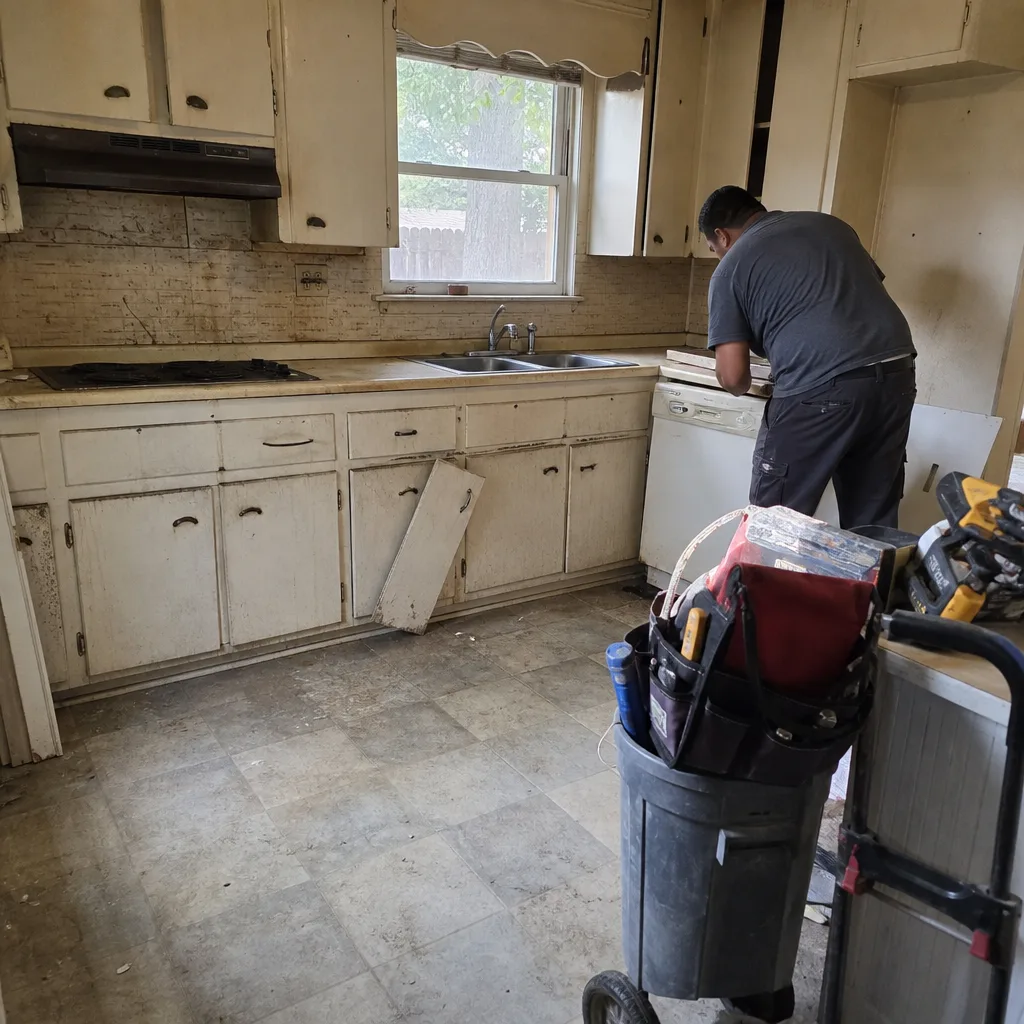 Before
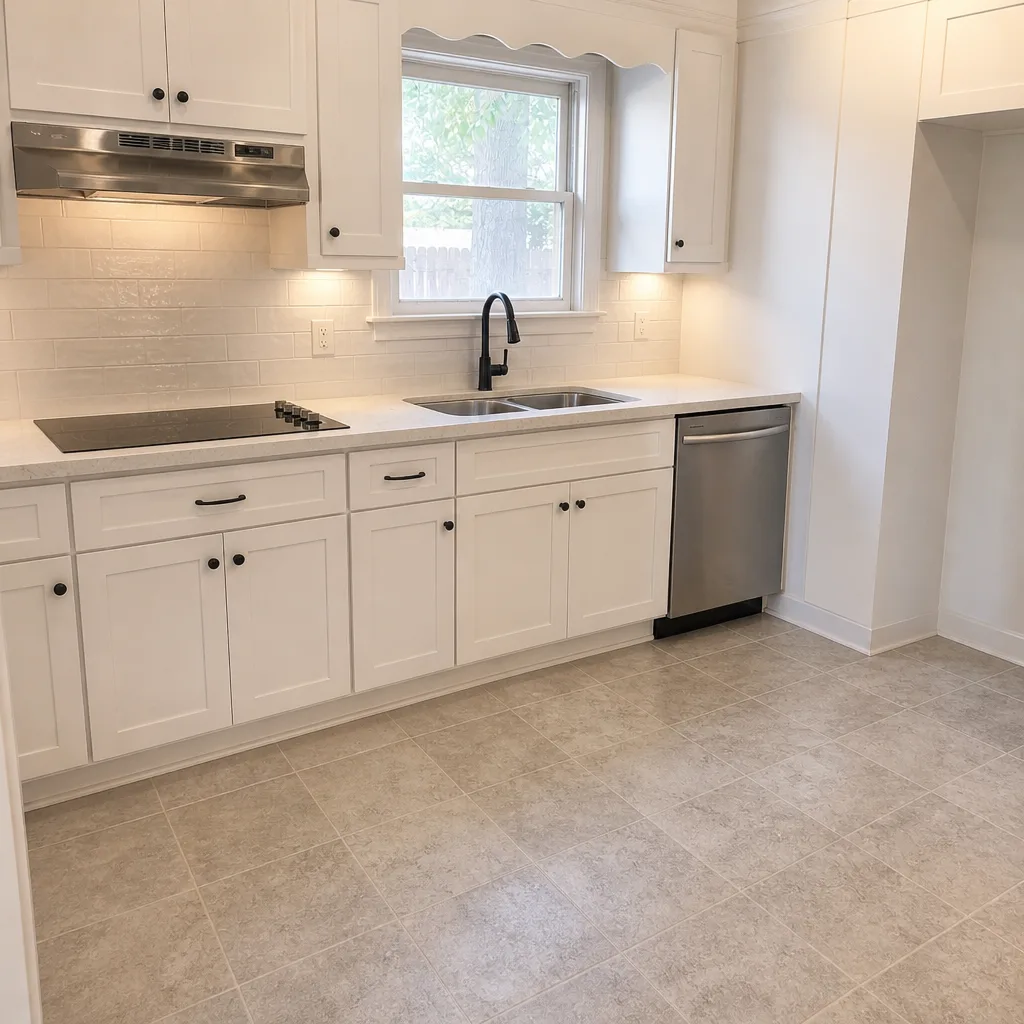 After
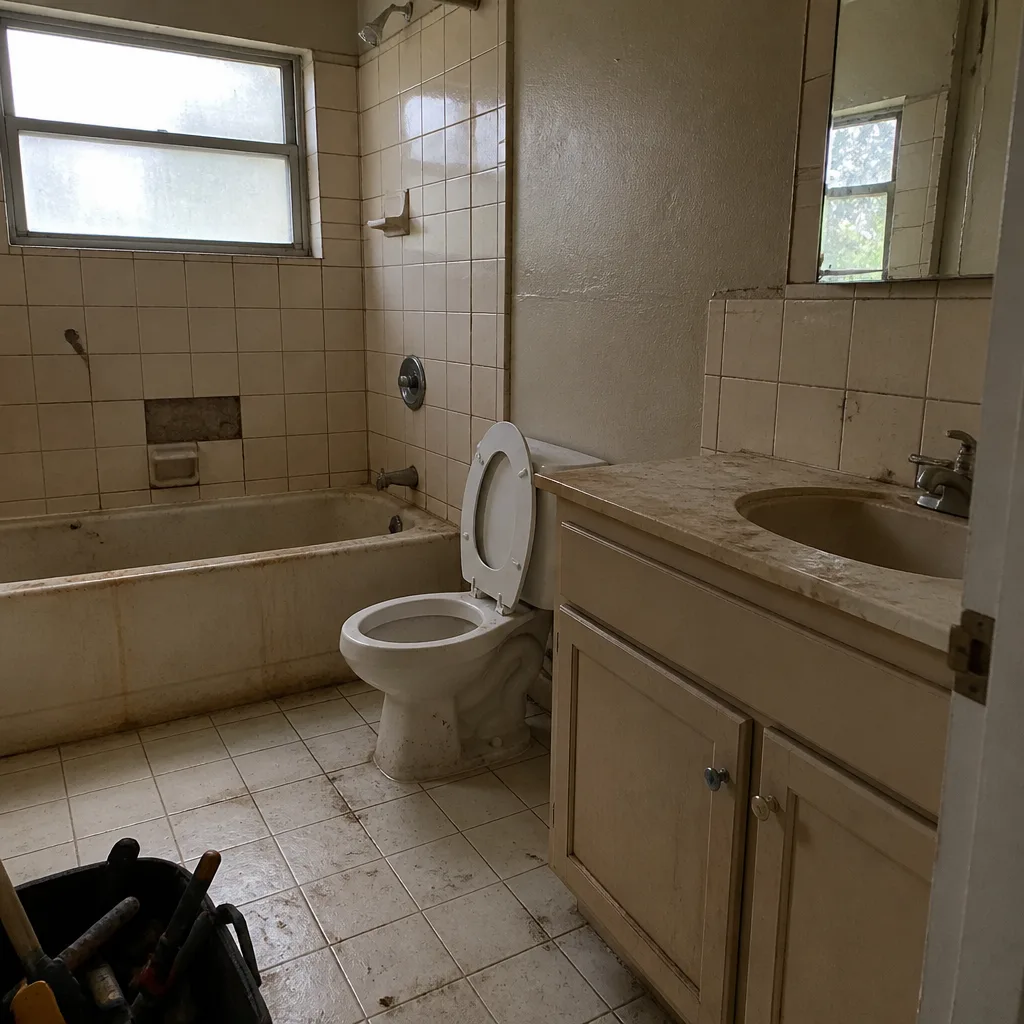 Before
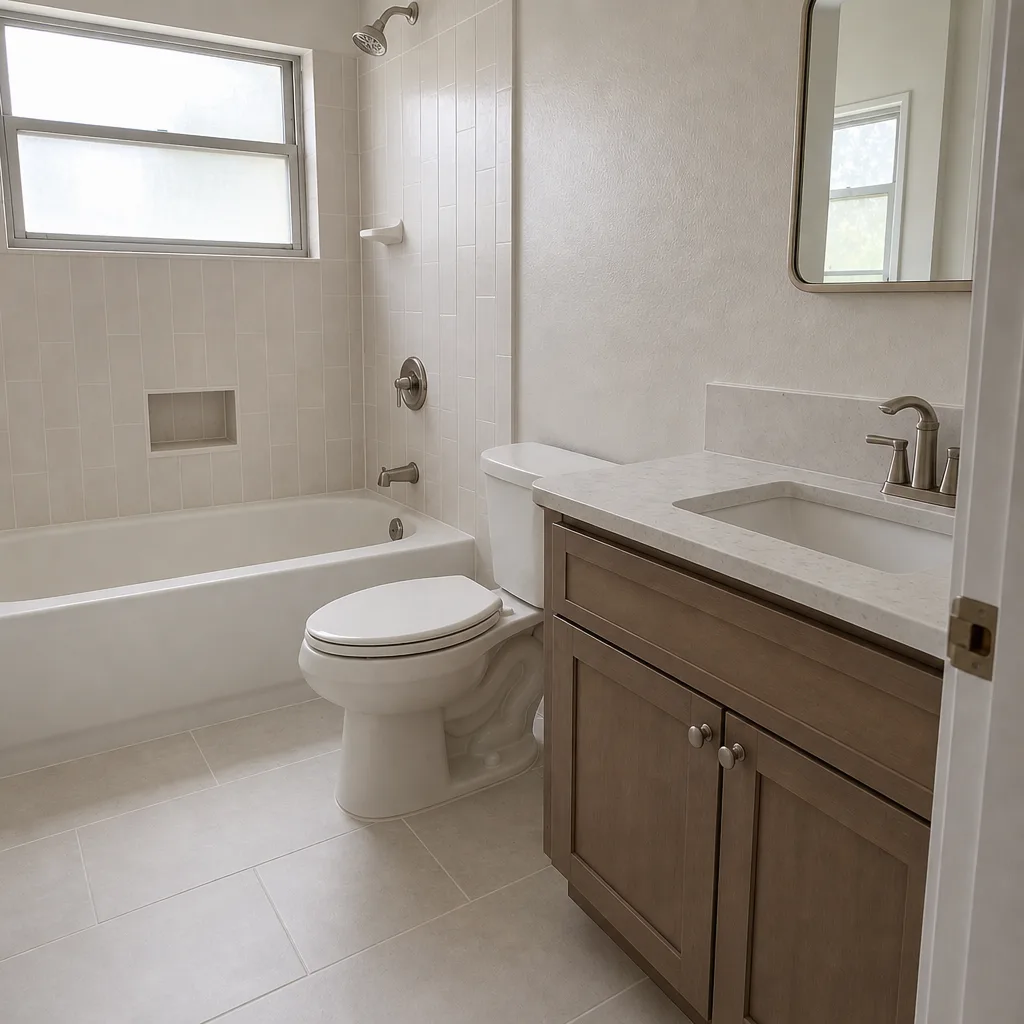 After
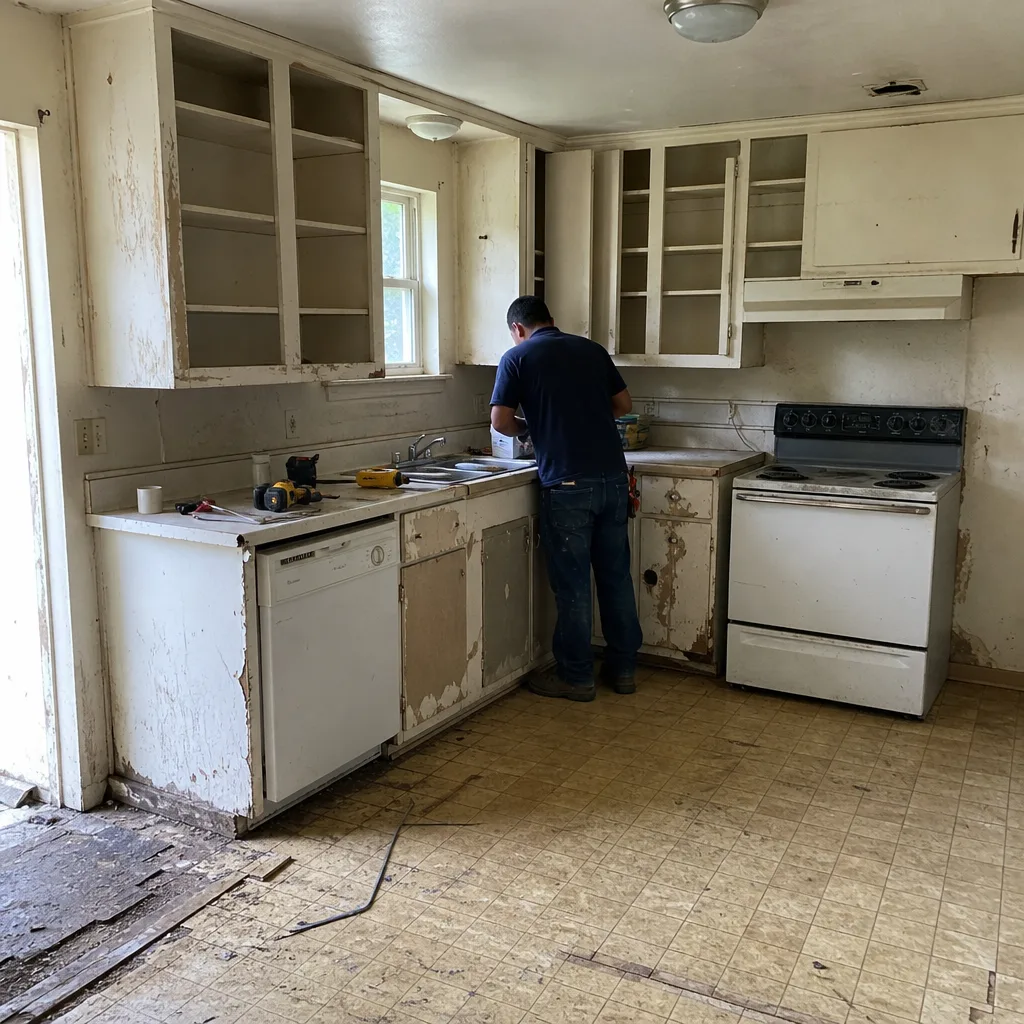 Before
 After
How to Find a Roof Leak in Dallas, TX: Trace the Water Uphill and Check the Flashing, Not Just the Shingles
The short answer: your roof leak almost certainly entered the attic somewhere other than directly above that ceiling stain, so you find it by tracing the wet sheathing uphill from the stain to its highest point and mapping that spot onto the exterior roof plane. In Dallas, that entry point is frequently a flashing joint that opened when the house shifted on its slab, not a failed shingle. The hose-on-the-shingles test most guides recommend will run right past it. If the stain is spreading, call Groundwork Construction Co. of Dallas at (844) 797-4808 and someone answers live, day or night.
Key Takeaways
- Water travels down rafters and across decking. The stain is where it drips through, not where it entered.
- On Dallas clay-soil slabs, differential movement rakes the framing and opens step and counter flashing.
- Shingle failure and flashing failure look identical from inside the house.
- An attic HVAC condensate overflow mimics a roof leak every summer and fools almost everyone.
- Lifted shingles and open laps are easiest to spot in low-angle morning light, not at noon.
Your ceiling stain is a destination, not a source
That brown ring in the Dallas living room ceiling may have entered the attic eight feet uphill and six inches to the left of where it shows. Water is lazy and opportunistic: it lands on decking, rides a rafter, pools against a truss, then finally finds a pinhole through the drywall. So the location of the stain tells you almost nothing on its own. What it tells you is roughly which quadrant of the roof to investigate, and if the house has shifted on its slab, the entry point is probably a flashing gap rather than a broken shingle.
Dallas sits in the heart of the Blackland Prairie clay belt, where expansive vertisols swell in wet weather and shrink in dry, and that wet-dry cycle is behind much of the roof trouble we get called to look at. The soil moves. The slab responds. The framing above it rakes. And the joints that hold your roof watertight react first.
Phase 1: The attic trace
Before anyone climbs onto the roof, get into the attic with a bright light and a tape measure. Water leaves evidence: dark streaks on rafters, stained or softened sheathing, rusted nails, and the telltale tideline where it dried. Work from the ceiling stain upward and note the highest wet point you can find.
- Find the wet rafter or stained sheathing. Follow the streak to its high end. That high end is where you start hunting outside.
- Measure from the ridge. Distance down from the ridge line narrows where the entry sits vertically on the roof plane.
- Measure from the nearest gable end. That gives you a left-to-right coordinate. Ridge-to-gable is your map.
- Transfer those coordinates to the exterior. Stand outside, count the same distance from the ridge and the gable, and you’re standing roughly where the water is getting in.
This is the field method that beats a hose test every time, because it puts you at the actual entry point instead of soaking one patch of shingles and calling it a day. If the trail dead-ends at a truly wet plane with no obvious shingle damage, you’ve probably found the kind of leak that starts at a joint.
Phase 2: Shingles or flashing? Why it matters
From a ceiling stain, a failed shingle and an open flashing joint look exactly the same. From the roof, they don’t, and knowing the difference changes the repair and the price. On the clay-soil slabs across Oak Cliff, East Dallas, and the 1950s-to-70s ranch tracts, the more common culprit on an older house is flashing, not shingles.
When a Dallas slab settles unevenly, the wall framing rakes and the roof deck shifts slightly against itself. That small movement opens three joints in particular:
- Step flashing at dormers rides up the sidewall, and every step is a lap joint that can separate.
- Counter flashing at chimneys is where the roof meets masonry, and it’s the single most common leak point in the Dallas stock we see.
- Valley metal at seams can pull apart where two roof planes meet.
Shingle failure looks different. You’re hunting for missing tabs, hail-bruised shingles, and wind-curled edges – the things a Dallas spring hail or straight-line windstorm leaves behind. If the shingles are intact and you still have a leak, look at every joint where roof meets a vertical surface. That’s where the water is getting in.
The low-angle morning-light inspection
Walk the perimeter of the roof at sunrise and sight along the roof plane at a 10-15 degree angle rather than looking straight down at it. Raking light throws shadows that expose things invisible at noon: lifted shingle edges, open flashing laps, and popped nails. It’s a simple technique and it catches problems faster than staring down at the roof in full sun. Do the walk from ground level with binoculars first, then from the roof only if you’re steady and safe.
If you’d rather not spend the morning on a ladder, our licensed Roofing team does exactly this with eyes trained to read a Dallas roof plane. Our background-checked, uniformed technicians have up to 12 years of experience, and our work is backed by the 730-Day Done Right Promise – if it isn’t done right, we make it right.
The HVAC condensate false positive
Every Dallas summer, we’re called to “roof leaks” that turn out to be the attic air handler. A clogged HVAC condensate line overflows its pan and water lands on the decking or drips through the ceiling, producing a stain that looks identical to a roof leak. The entry point is a PVC line, not a flashing gap, and the fix is a drain pan with a proper overflow switch, not a roofer. Before you hire anyone, check whether the stain sits near the air handler and whether it appears only when the AC runs hard. If so, you’ve found your leak and it isn’t the roof.
When to stop and call a pro
Stop the DIY hunt the moment the attic trace uncovers any of these:
- A structural rafter or truss crack, which points to movement beyond a simple leak.
- Decking delamination or soft, crumbly sheathing underfoot.
- A flashing that’s nailed through rather than properly lapped, meaning a repair was botched earlier.
- Any leaking you can’t trace from inside the attic at all.
These are signs of deferred damage, and they need a licensed contractor’s assessment. A small roof repair in Dallas typically runs $400-$1,800, while full replacement runs $8,000-$20,000 – and the longer an open flashing sits leaking, the closer you drift to the top of that range. Groundwork answers the phone with a live person 24/7, so the call happens the same night the stain appears, not the following Monday.
What it costs to fix once you’ve found it
| Repair | Typical Dallas Range |
|---|---|
| Roof repair (leak, flashing, shingles) | $400-$1,800 |
| Tile roof repair | $600-$2,500 |
| Roof replacement | $8,000-$20,000 |
| Metal roof installation | $15,000-$40,000 |
Every quote is upfront pricing with no surprises – the number you see is the number you pay. Roof projects over $10,000 qualify for $1,000 off, and 0% financing for 18 months spreads the rest. We install GAF and CertainTeed systems, which hold up to the hail and wind Dallas throws in spring.
If the hunt leads to structural findings, sometimes the smarter investment is a full roof replacement using impact-rated materials built for a high-wind climate. That’s a call worth making with someone who’s read a thousand Dallas attics.
Frequently asked questions
No. Water often enters well uphill and travels along rafters or decking before it drips through the ceiling, so the stain is rarely directly under the leak. That’s why the attic trace – finding the highest wet point and mapping it outside – works far better than looking straight up from the stain.
Check whether the stain appears near the air handler and only when the AC runs hard. Condensate overflows in Dallas summers produce ceiling stains identical to roof leaks, but the fix is a drain pan and overflow switch, not roofing. If the stain is nowhere near the HVAC unit and follows rain, it’s a roof leak.
No. The attic trace plus a low-angle morning-light look from the ground with binoculars will locate most leaks. Getting onto a roof is risky work – our advice is to do the attic and ground work, and let a trained technician handle the roof plane, especially on steep or older Dallas homes.
Most Dallas roof repairs land between $400 and $1,800, with flashing and minor shingle repairs at the low end and larger decking fixes toward the top. Call Groundwork Construction Co. of Dallas at (844) 797-4808 for an exact quote – estimates are free and upfront.
Let’s trace it together
If you’d rather have it looked at, Groundwork Construction Co. of Dallas offers a no-pressure assessment in Dallas – call (844) 797-4808 and someone live picks up, day or night. We’ll trace the leak, tell you straight whether it’s shingles or flashing, and price the fix upfront. From foundation to finish line, built to last and backed in writing.
Written by the team at Groundwork Construction Co. of Dallas, serving Dallas, TX.