
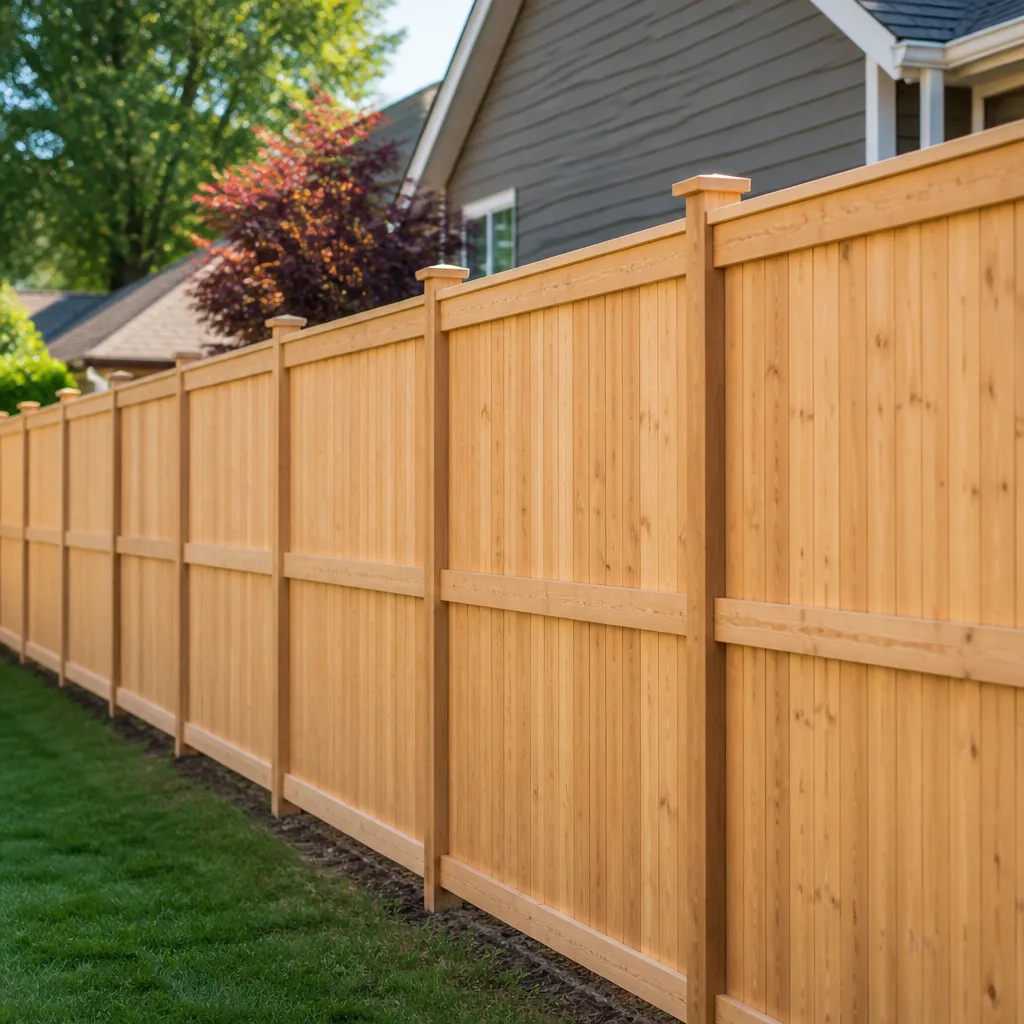
 Fence
 Kitchen remodeling
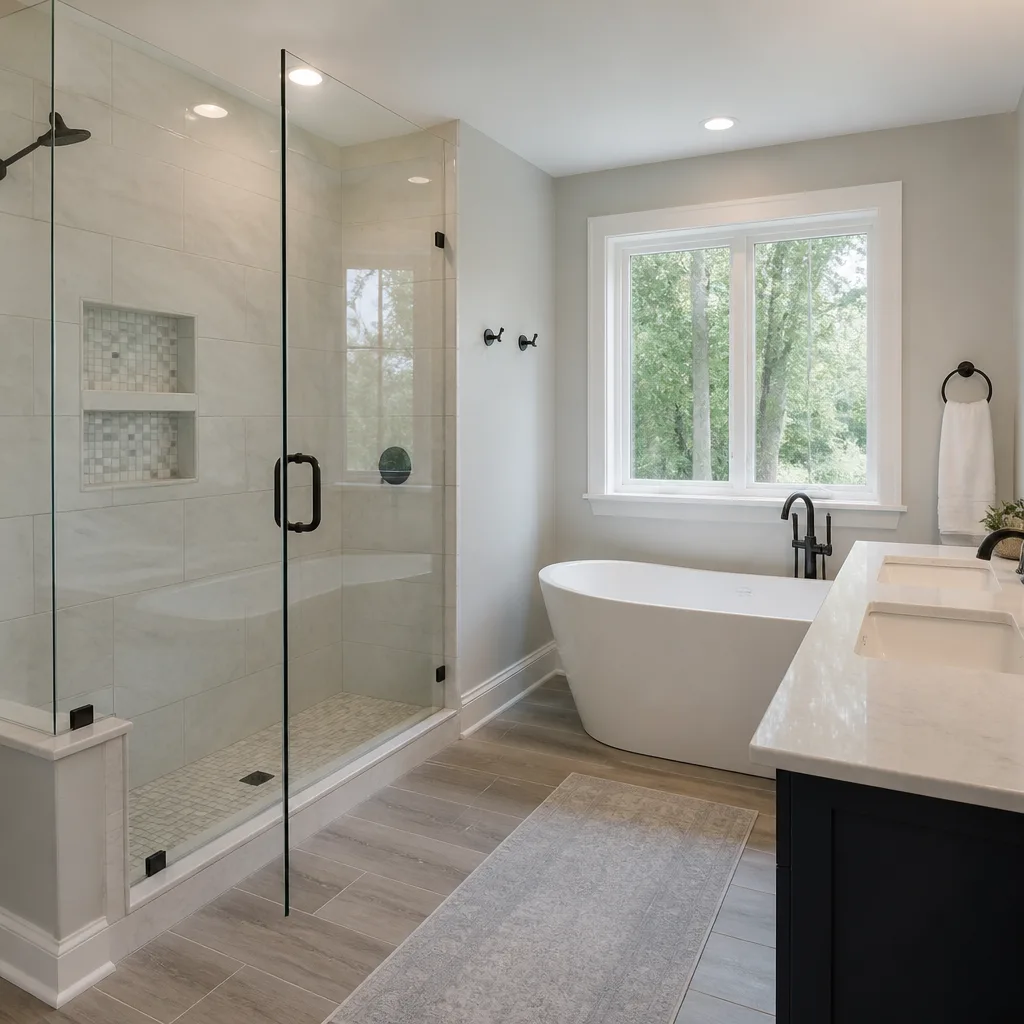 Bathroom remodeling
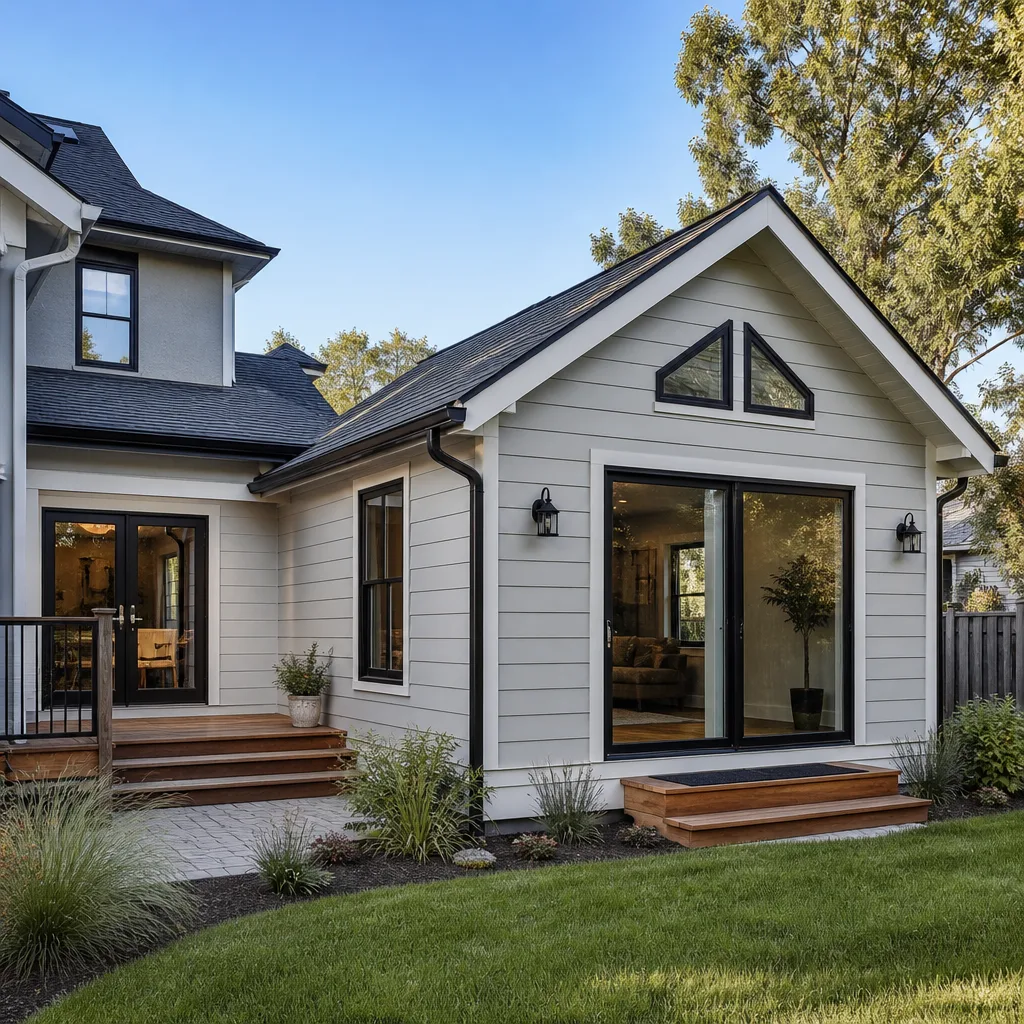 Home additions & ADU
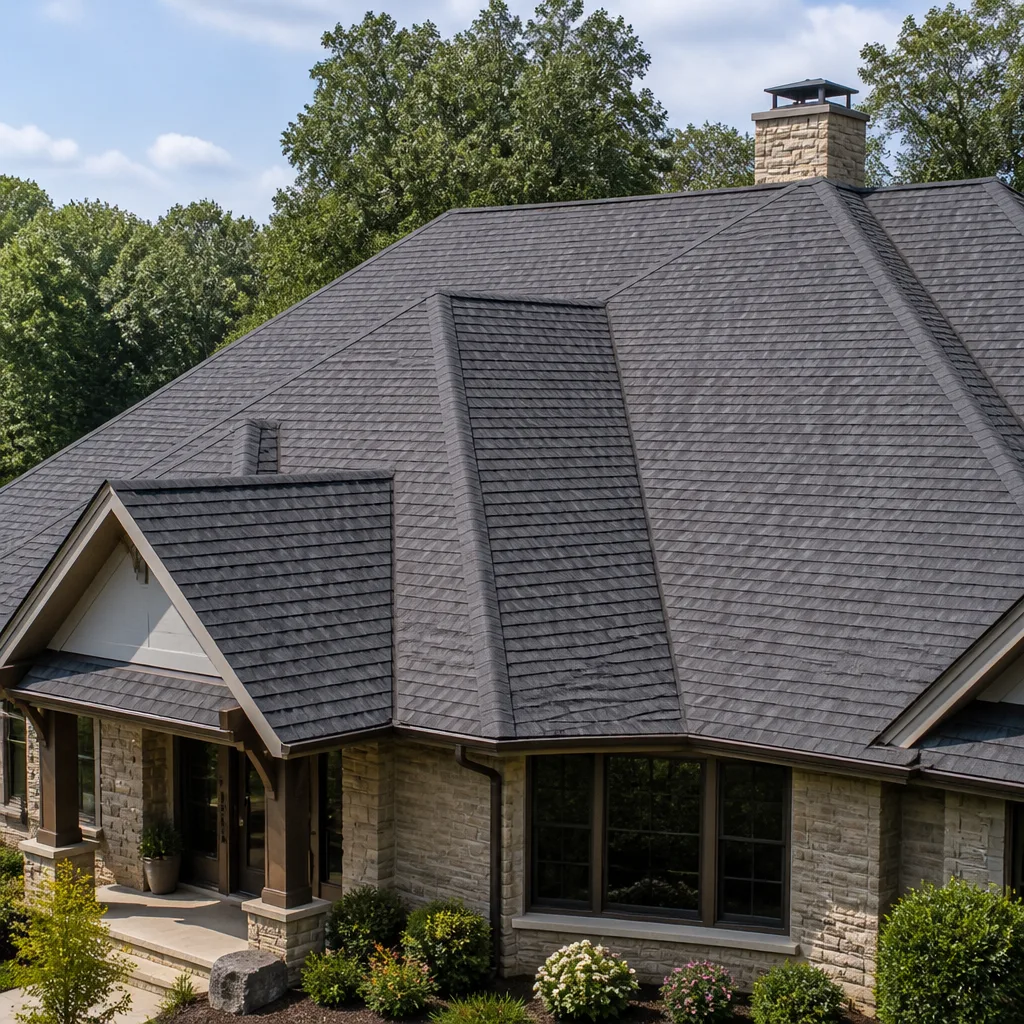 Roofing
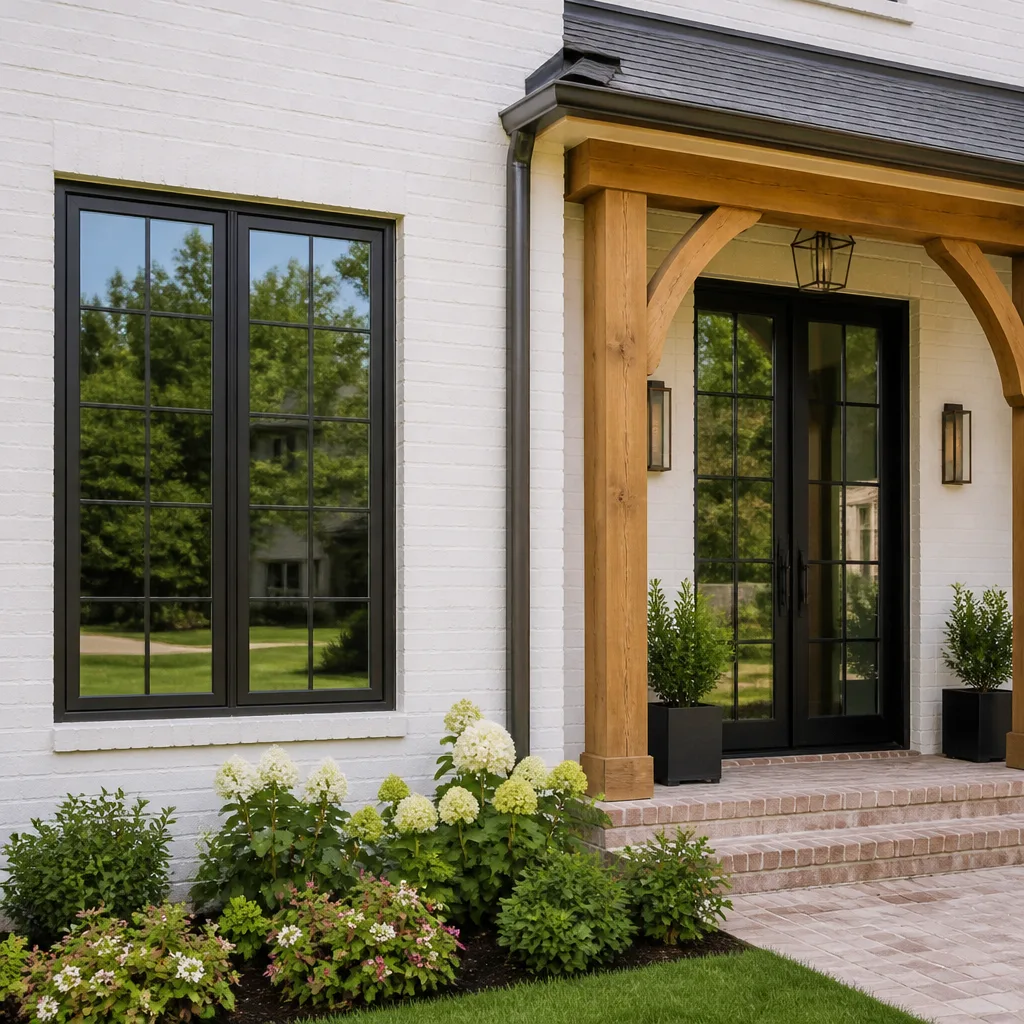 Windows & doors
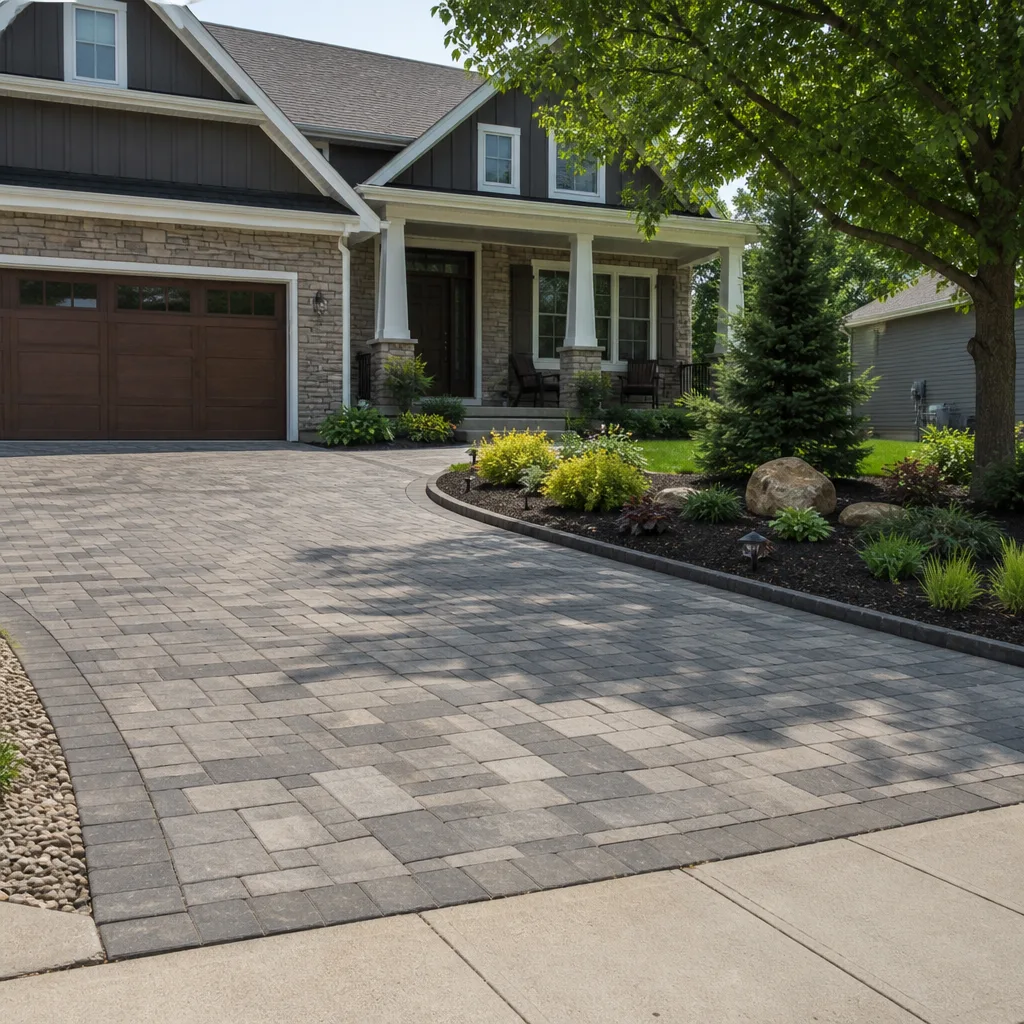 Driveway & pavers
Free written scope consultation - allowances, timeline, and change-order rules on paper before a single trade is scheduled
Styles & brands we work with
- Kitchen remodeling
- Bathroom remodeling
- Home additions & ADU
- Roofing
- Windows & doors
- Driveway & pavers
- Fence
See the difference
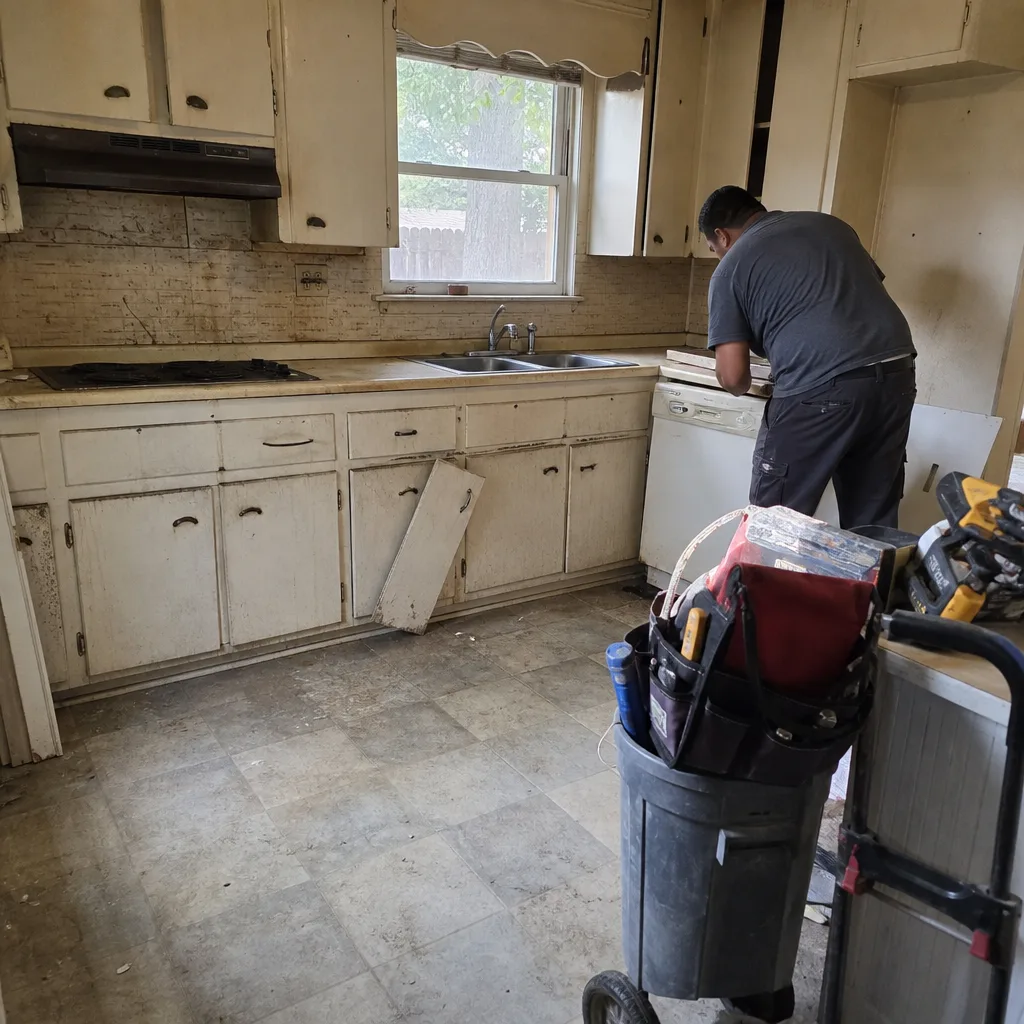 Before
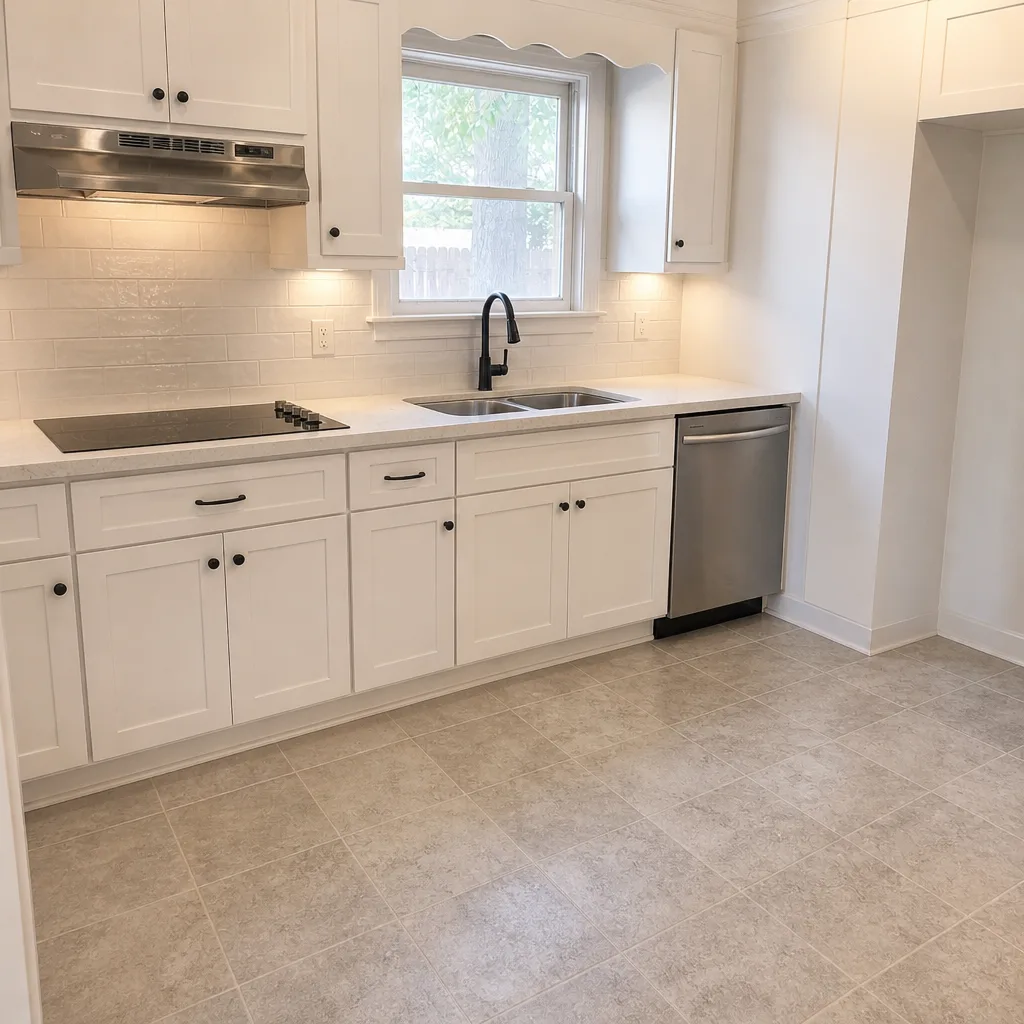 After
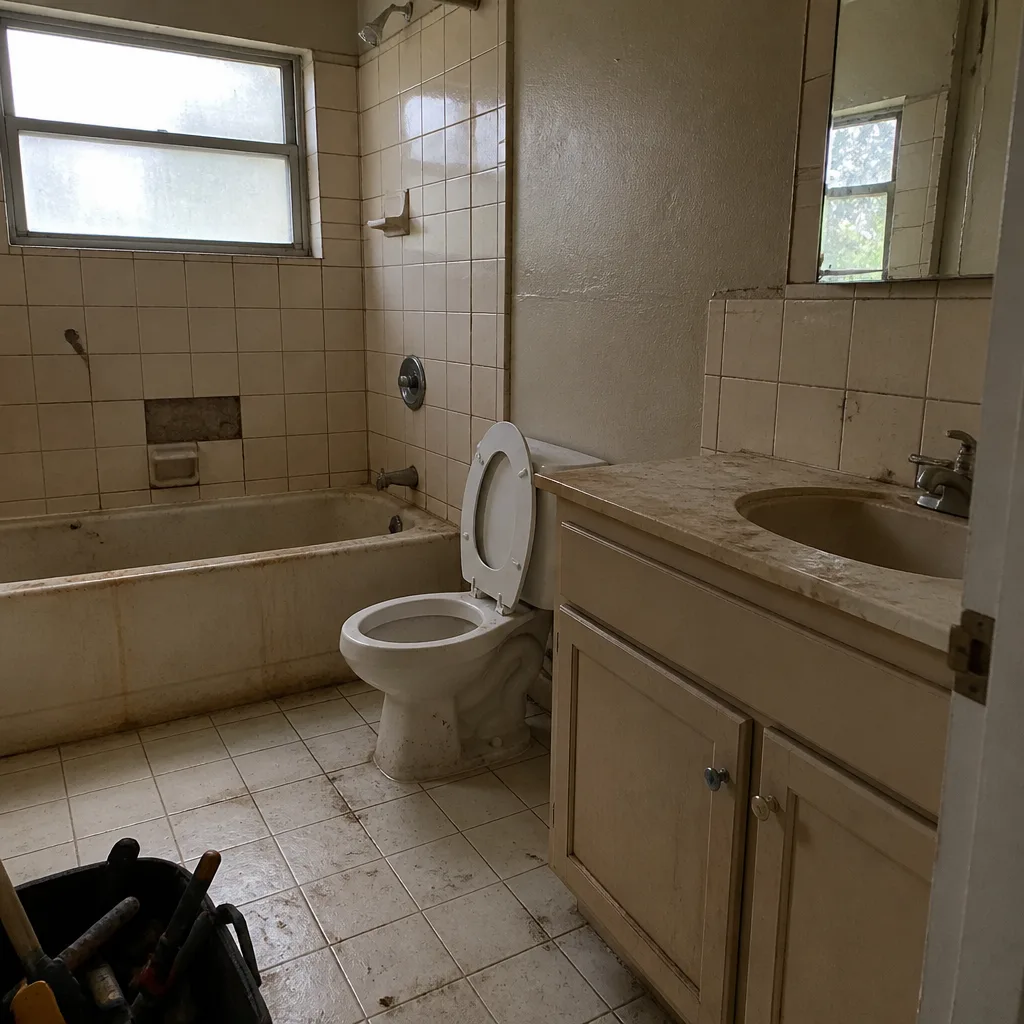 Before
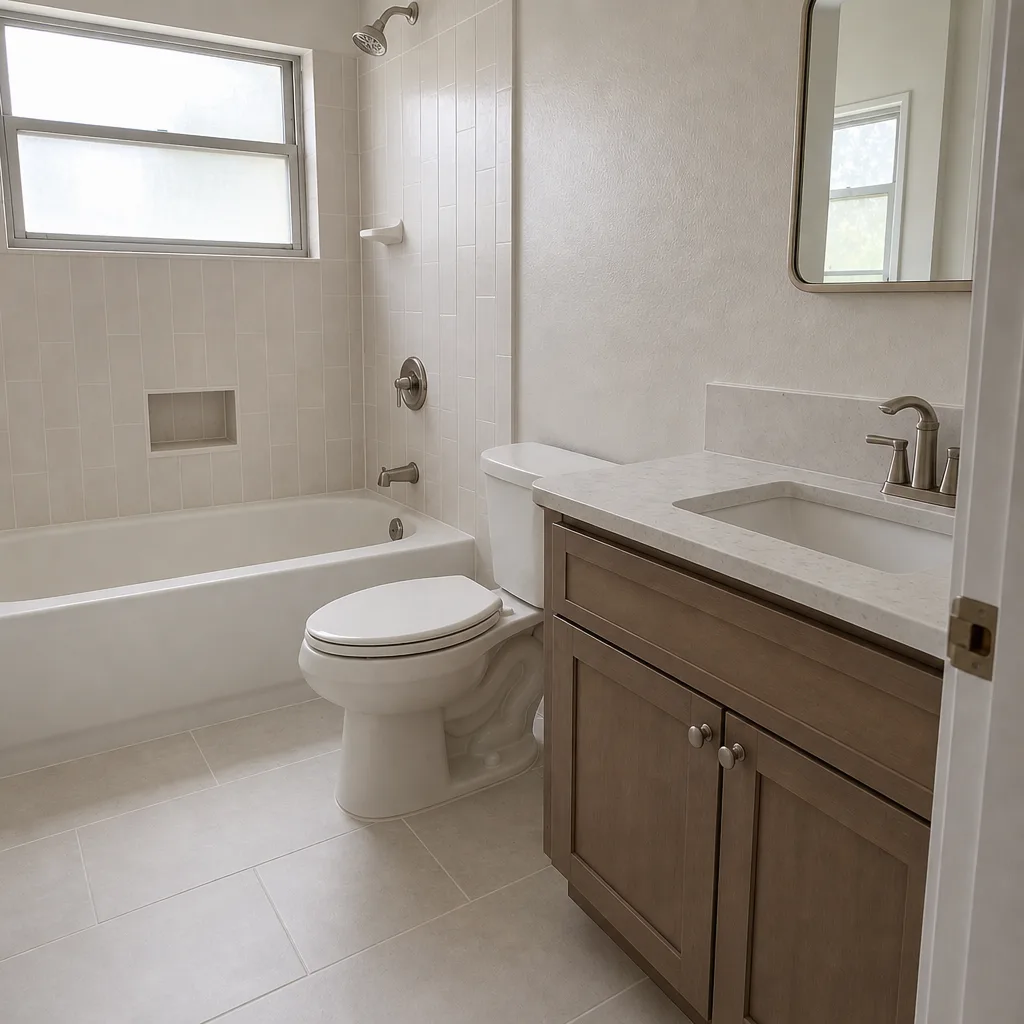 After
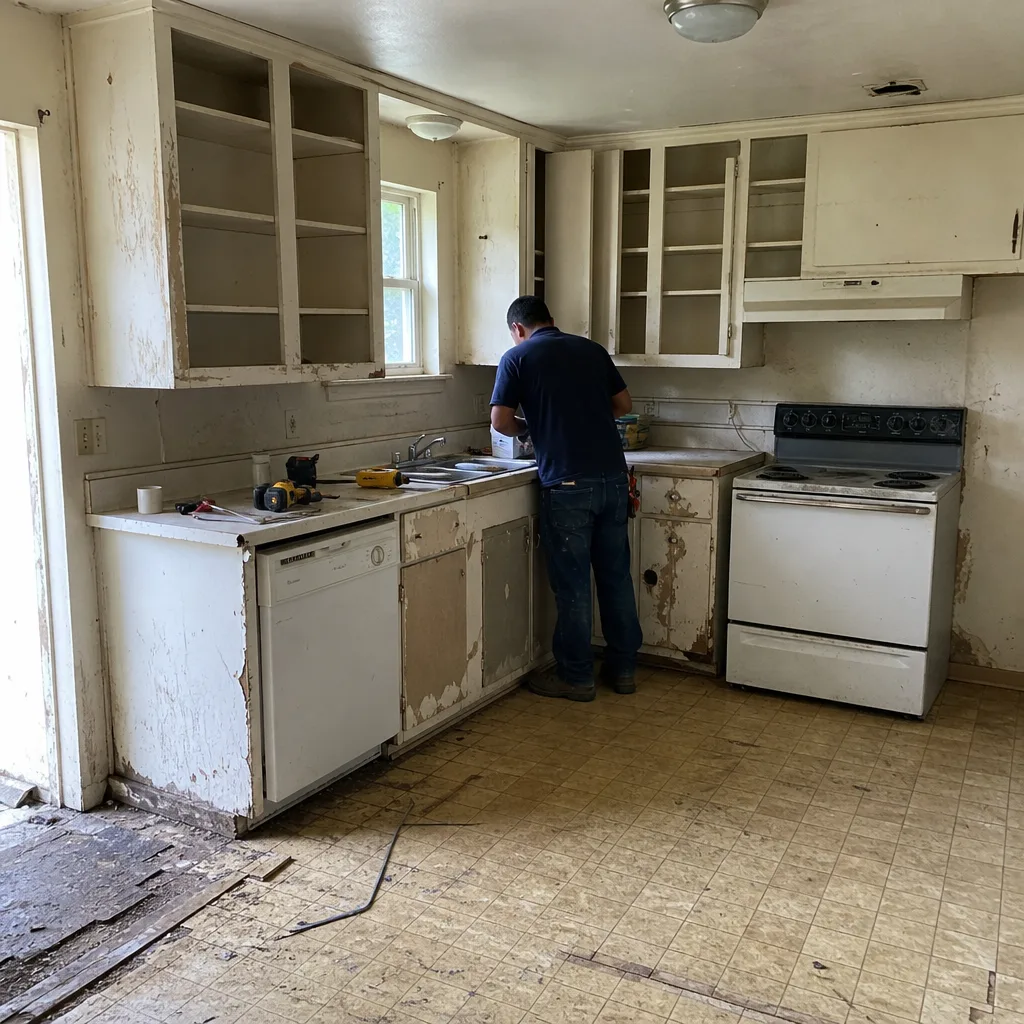 Before
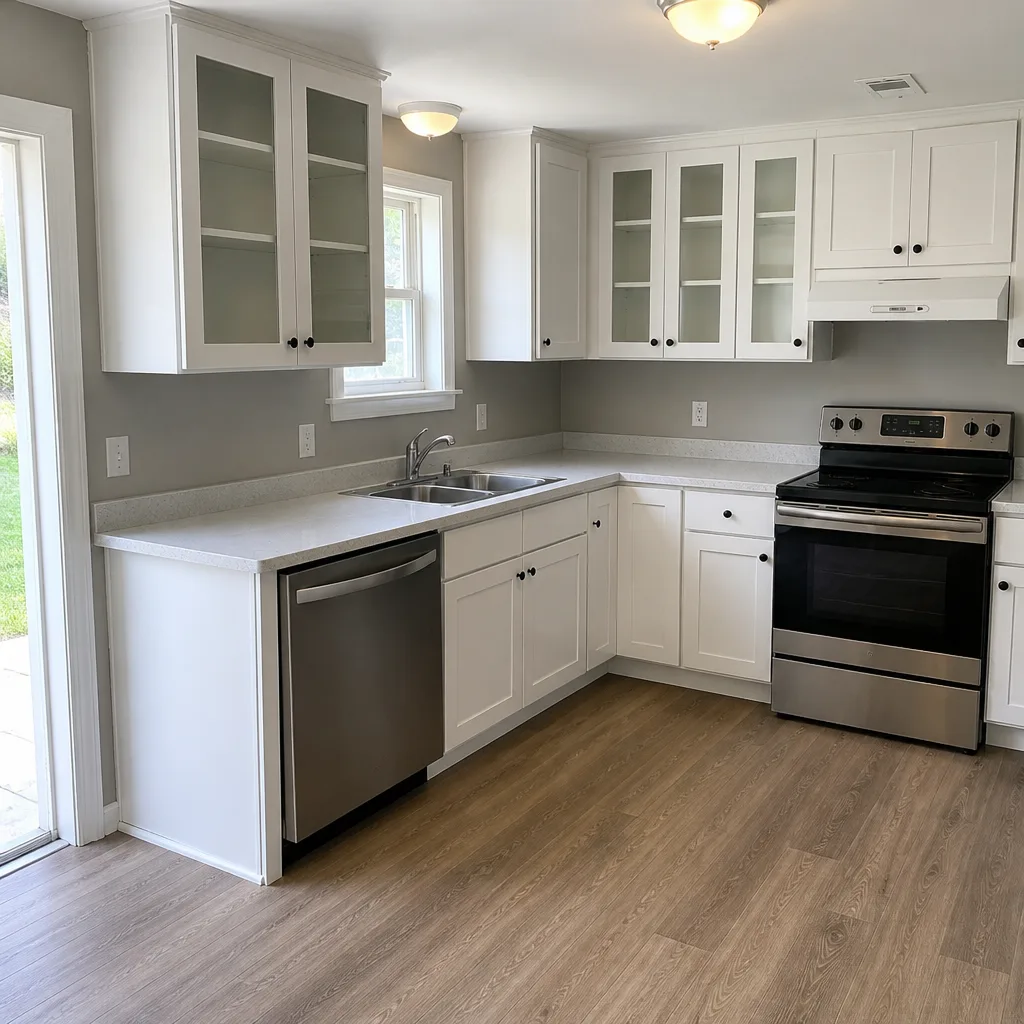 After
How to Repair a Chain Link Fence in Dallas, TX
If the mesh is torn or sagging, you repair a chain link fence by cutting out the damaged section, overlapping a new piece of matching mesh by at least one diamond, and lacing it with galvanized tie wire, then re-tensioning the top rail and tension wire. But in Dallas, the repair that costs real money is usually the one you can’t see: galvanized posts corroding at the soil line in Blackland clay, where the mesh still looks fine and the posts have quietly lost most of their base strength. Our technicians have up to 12 years of experience reading that difference, and the assessment is free at (844) 797-4808.
Most guides stop at mesh patching. That’s a real repair, and we do plenty of them. But it isn’t the whole story here, and Dallas homeowners deserve the part the generic tutorials leave out.
Why chain link fails differently in Dallas than almost anywhere else
Dallas sits in the Blackland Prairie, and the soil under your fence line is expansive clay with a naturally high pH, roughly 8.0 to 8.5. That clay holds moisture against steel for long stretches during our wet cycles, then shrinks and cracks open in the dry ones. Standard galvanized posts are protected by a zinc coating, and that coating doesn’t love an alkaline, wet-then-dry environment. It breaks down at the soil interface first, and once it goes, the steel underneath starts to pit and thin from the outside in.
In sandy or loam soils, chain link posts commonly outlast the mesh by a decade or more. That’s not what we see in Oak Cliff, East Dallas, or the older slab-on-grade ranch tracts around them. We routinely find posts on 15- to 20-year-old lines that look solid above grade and are rotten in the first six inches below it. The same soil movement that makes foundation work a near-universal subspecialty in Dallas also works your fence posts loose, flexing the steel at the clay line with every wet-dry swell. Wind uplift here doesn’t help: Dallas is a high-wind design zone, and a fence gets the full brunt of our spring straight-line storms.
So before you buy a roll of mesh and a spool of tie wire, find out which repair you actually have. Those are two different jobs.
The post base integrity test every Dallas homeowner should run first
You can check a chain link post yourself in about ten minutes with nothing but your hands. Here’s the method we use:
- Grab each post at roughly 18 inches above grade and push it firmly sideways, then pull it back. Do it once in each direction.
- A sound post holds rigid and transfers the load to the ground. A clay-corroded post will flex, pivot, or rock in the hole, which tells you the failure is below grade, where you can’t see it.
- Pay extra attention to corner posts, gate posts, and end posts. They carry the most tension, and they corrode fastest because they’re under constant load.
- Walk the line and count. Note which posts move and which hold. That count is the number that decides repair versus replace.
If a post pivots, do not try to fix it by packing more dirt around the base. Loose soil won’t restore a post that’s lost its steel. That’s a post replacement, and it’s the repair call we get most often in Dallas. It’s also the one that gets missed, because from the street everything looks fine.
Mesh patches, tension wire, and how a Dallas post replacement actually goes
For torn or stretched fabric, the repair is straightforward. Cut out the damaged panel with bolt cutters, leaving clean edges. Cut a replacement piece of the same mesh and overlap it by at least one full diamond on every side. Lace the seams with galvanized tie wire, working along the top rail, the bottom tension wire, and both cut edges, and pull each tie snug as you go. Then re-tension the fence: the top rail should run straight, and the tension wire at the bottom should be taut but not bowed. A sagging fence usually means the tension wire stretched or a tie broke loose, and tightening those two things fixes more sag than people expect.
Post replacement in Dallas clay is a different job. The right method, and the one we use, is to drive a new galvanized post alongside the failed one rather than dig out a rotted post that’s locked into tenacious clay. We set the new post to a minimum depth of 36 inches, transfer the tension hardware and rail connections onto the new post, and then seal the base with a moisture-barrier compound. That seal is the step most crews skip, and it’s the one that decides whether the new post lasts. We also set new posts in concrete here, because between the clay movement and our wind zone, tamped soil won’t hold a corner or gate post for long.
This is dangerous, load-bearing work with stored tension in the wire and steel. Tensioned chain link can snap back and cut, and posts under load can kick. If you’re not sure what you’re doing with tension hardware, leave it to a trained crew.
Repair or replace? The math Dallas homeowners ask for
Here’s the rule we work from, and the one you should hold any fence contractor to. If more than about 20% of the posts show base corrosion, piecemeal repair stops making financial sense. Here’s what that looks like in real numbers:
| Job | Typical Dallas range | Notes |
|---|---|---|
| Mesh patch or single panel repair | $150 – $400 | Torn fabric, sagging top rail, broken ties |
| Single post replacement | $200 – $450 | Corner and gate posts run toward the high end |
| Repair of 5-6 posts on a 150-foot line | $900 – $2,000 | Where repair starts losing to replacement |
| Full chain link replacement, typical residential lot | $3,500 – $9,000 | Depends on height, gauge, gates, and corners |
Do the five-year math on a 150-foot line that needs six posts. You’ll spend $1,200 to $2,000 patching it now. The remaining posts are the same age and the same clay, so they’re on the same schedule, and you’ll be back in two or three years for the next batch. Add up two rounds of repairs and you’re at or past the low end of a full replacement, with a patched fence at the end instead of a new one. That’s the case where replacement is the cheaper call, and we’ll tell you so.
The reverse is true too. A single corner post and a repaired panel on an otherwise sound line is a repair, and we’ll quote it as one. What we don’t do is hand you a vague number and let you guess. Groundwork Construction Co. of Dallas gives you the exact repair-versus-replace figure before any work starts, carrying no hidden surprises. If the assessment lands on replacement, 0% financing for 18 months keeps it from being a cash-only decision. And every job, repair or full install, is covered by our 730-Day Done Right Promise: if it’s not done right, we make it right.
When a full line is the answer, you’re not limited to chain link. We install Bufftech and ActiveYards vinyl systems that won’t corrode in Dallas clay the way galvanized steel does, and they hold up well against this climate. You can see the full range of materials and options on our Fence Installation page.
FAQs
Most chain link repairs in Dallas run from $150 to $2,000, depending on whether it’s a mesh patch, a single post replacement, or several posts. A torn panel or sagging line is typically under $400; replacing five or six clay-corroded posts pushes you toward $1,200 to $2,000. Call (844) 797-4808 for an exact quote. Estimates are free, and you get the repair-versus-replace number in writing.
Yes for a mesh patch, a tension wire, or a single post, many chain link repair calls in Dallas are finished in a single visit. Multi-post jobs or a full replacement may need a return trip once materials are on hand. Call (844) 797-4808 and we’ll tell you what your repair needs after a quick look, and we answer the phone live around the clock.
Blackland clay has a high pH and holds moisture against galvanized steel, so the zinc coating breaks down at the soil line first, and the post corrodes from the outside in where you can’t see it. The mesh sits above grade and stays dry, so it outlasts the posts. Do the 18-inch flex test on every post and count the ones that move; that’s the number that tells you whether to repair or replace. Call (844) 797-4808 and we’ll confirm it on site for free.
Repair is cheaper when only a few posts or panels are failing. Replace when more than about 20% of the posts show base corrosion, because the rest are on the same clay-and-age schedule and you’ll pay twice within five years. Full replacement in Dallas typically runs $3,500 to $9,000. Call (844) 797-4808 for the exact five-year math on your fence. Estimates are free.
Get it looked at before you buy a single part
You don’t have to guess which repair you’re facing. If you’d rather have it looked at, Groundwork Construction Co. of Dallas offers a no-pressure assessment in Dallas. We’ll run the post test, tell you plainly whether it’s a patch or a replacement, and put the number in writing. Call (844) 797-4808 for a free estimate. Live person, 24/7, and upfront pricing with no surprises.
Written by the team at Groundwork Construction Co. of Dallas, serving Dallas, TX.