
 Kitchen remodeling
 Bathroom remodeling
 Home additions & ADU
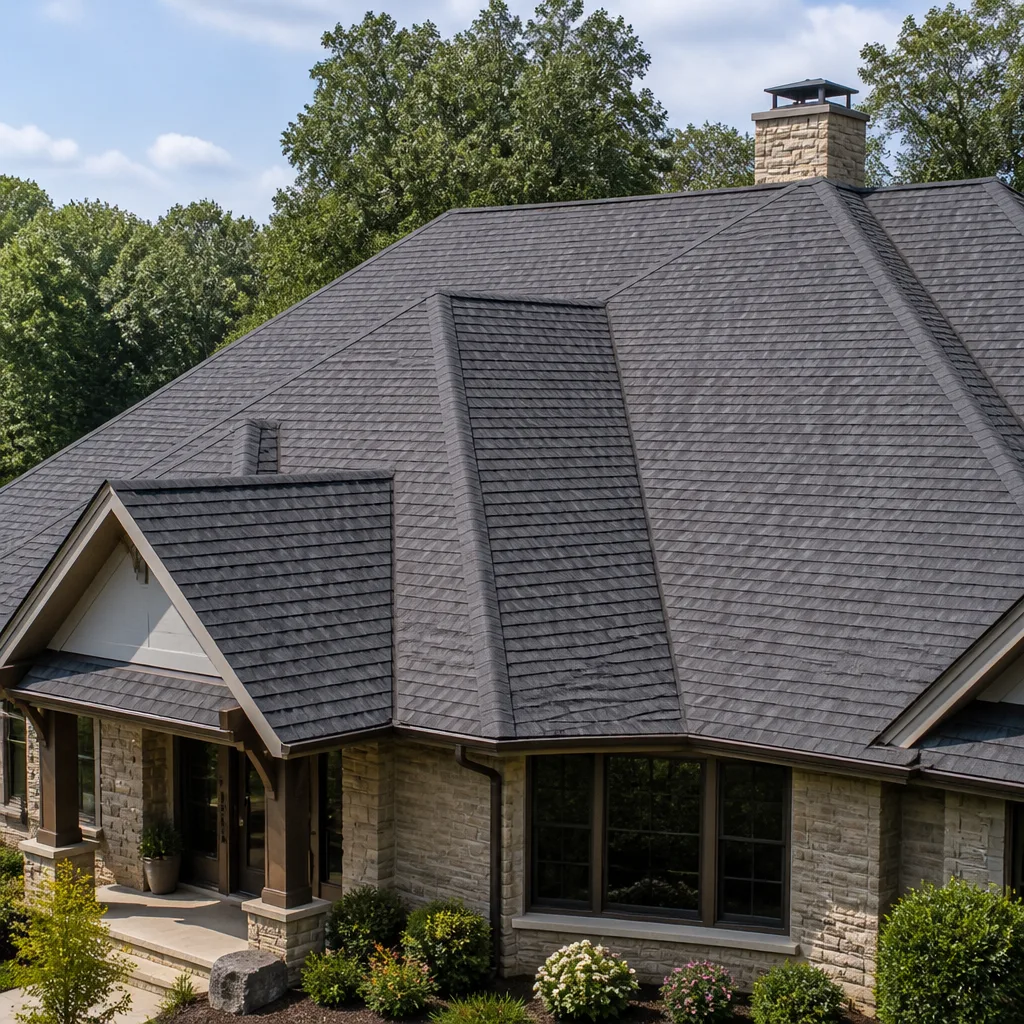 Roofing
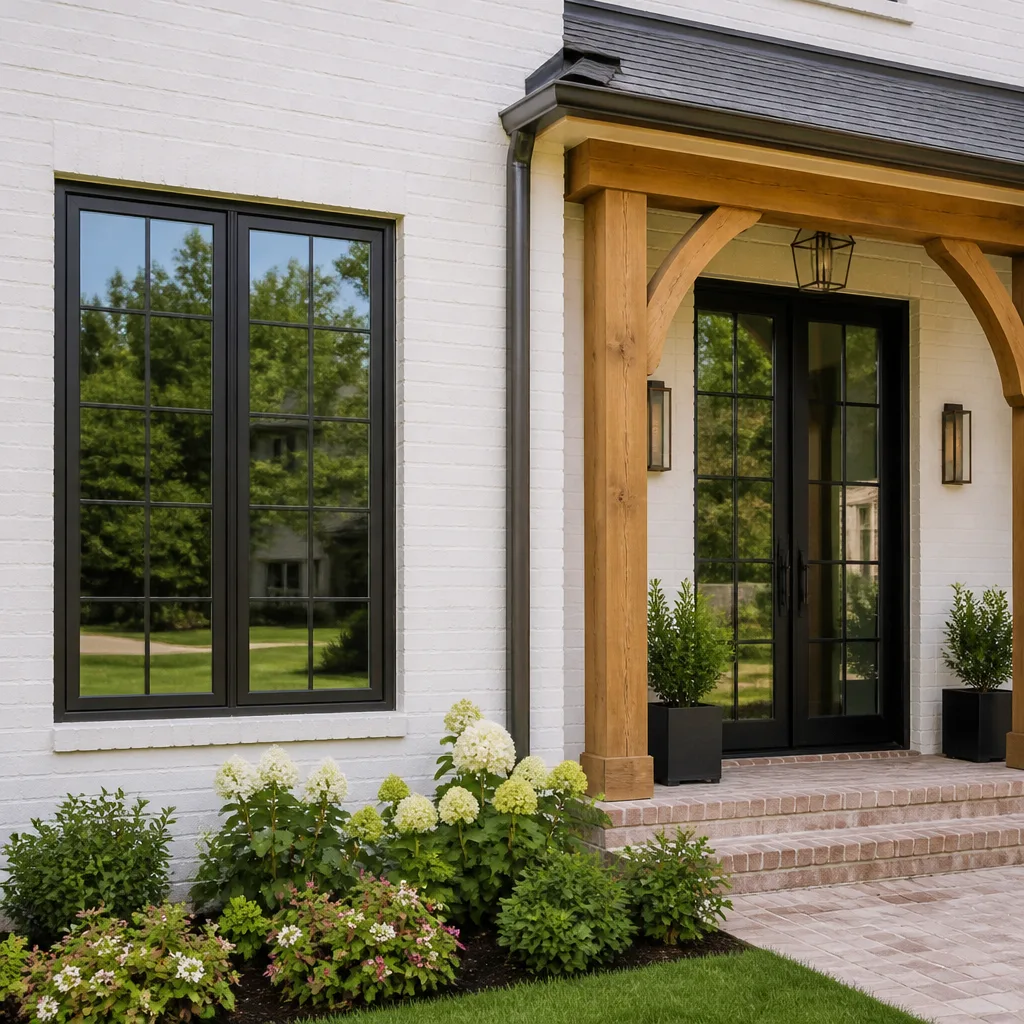 Windows & doors
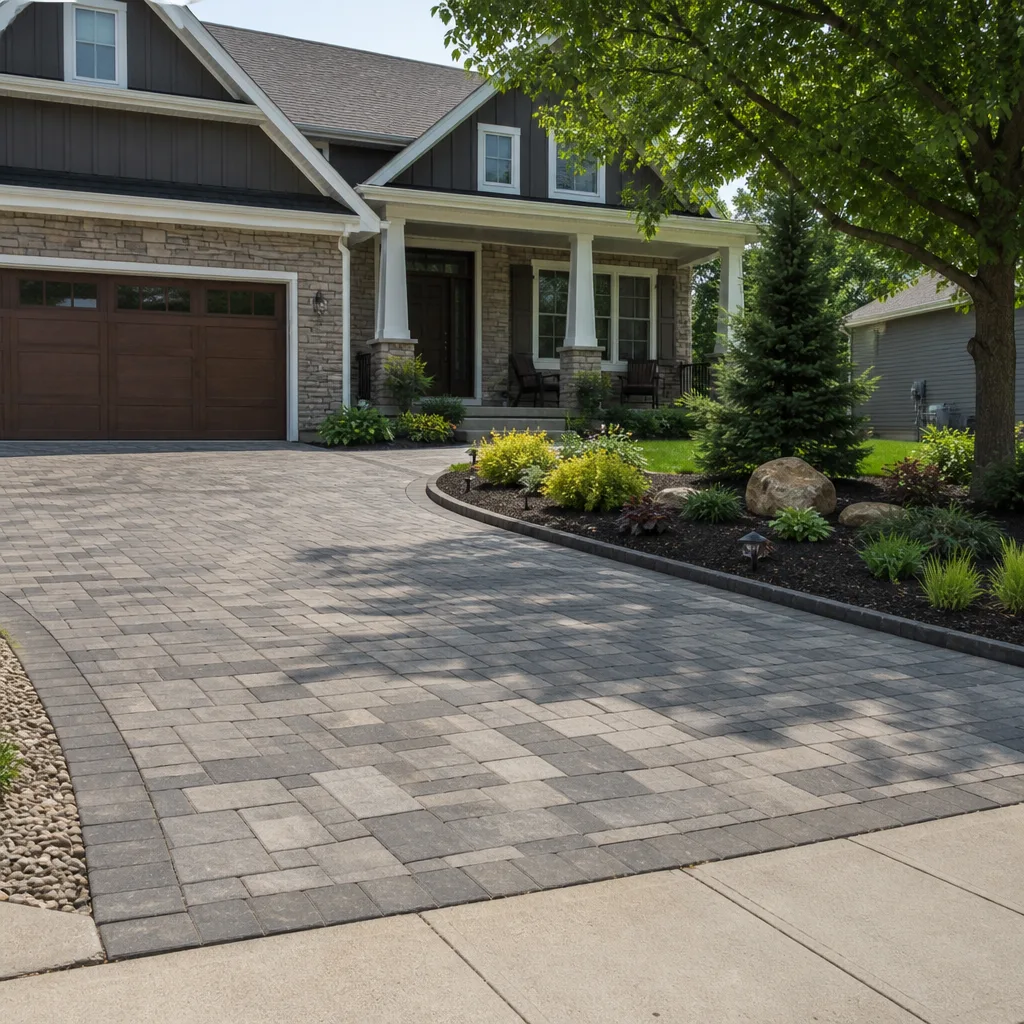 Driveway & pavers
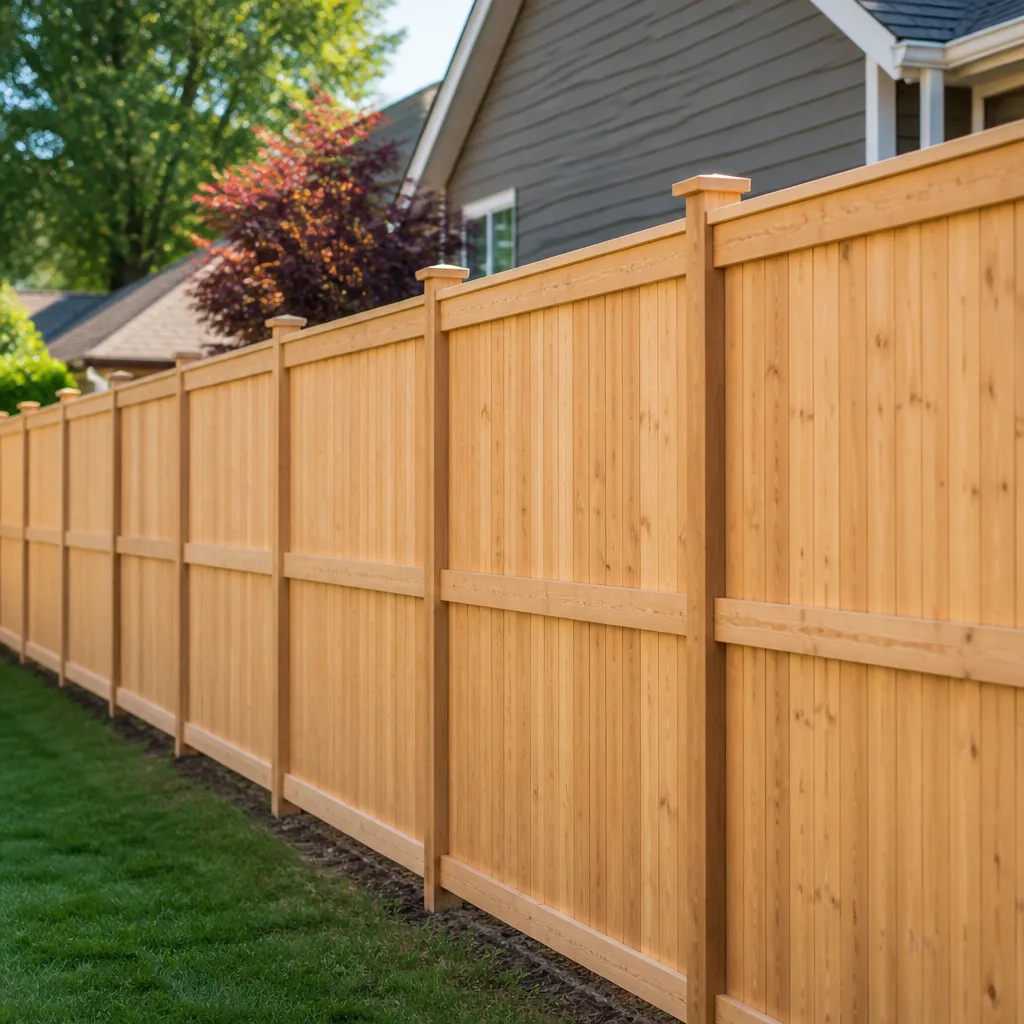 Fence
Free written scope consultation - allowances, timeline, and change-order rules on paper before a single trade is scheduled
Styles & brands we work with
- Kitchen remodeling
- Bathroom remodeling
- Home additions & ADU
- Roofing
- Windows & doors
- Driveway & pavers
- Fence
See the difference
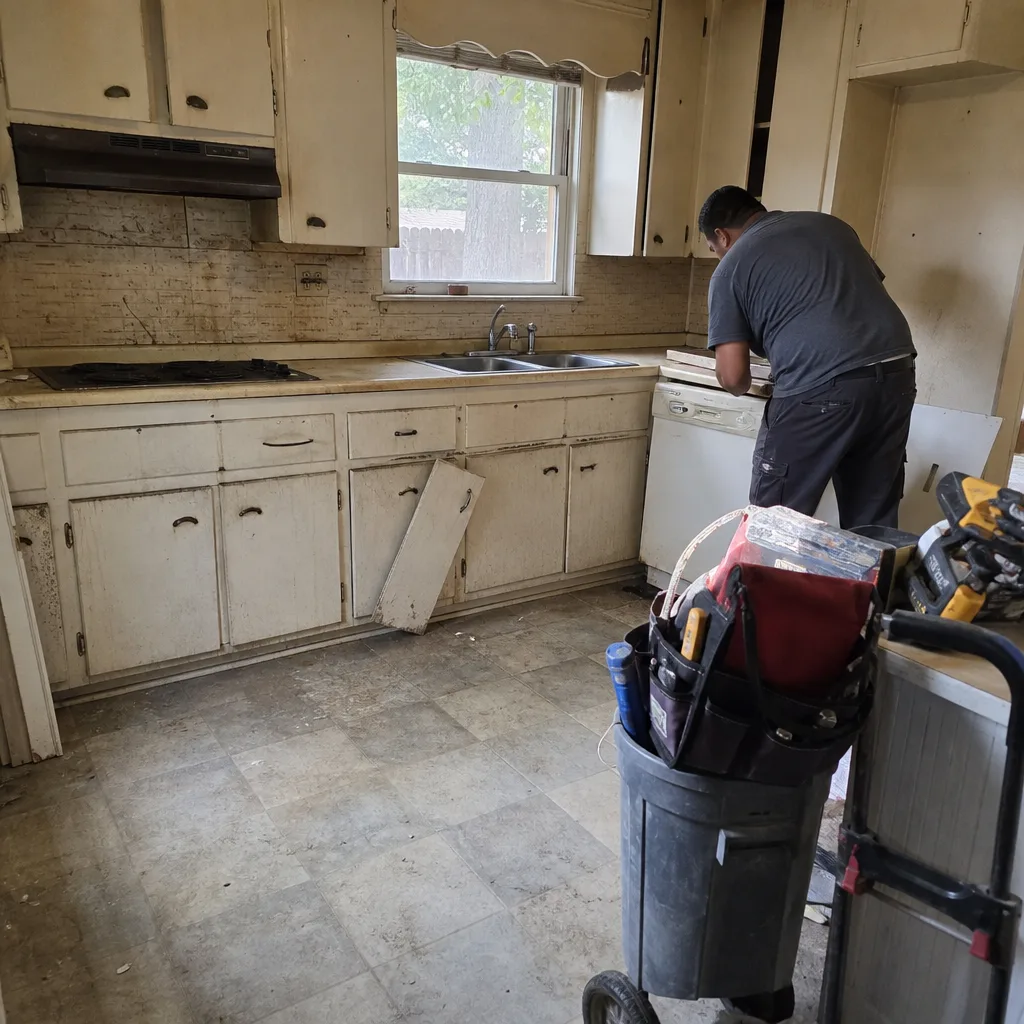 Before
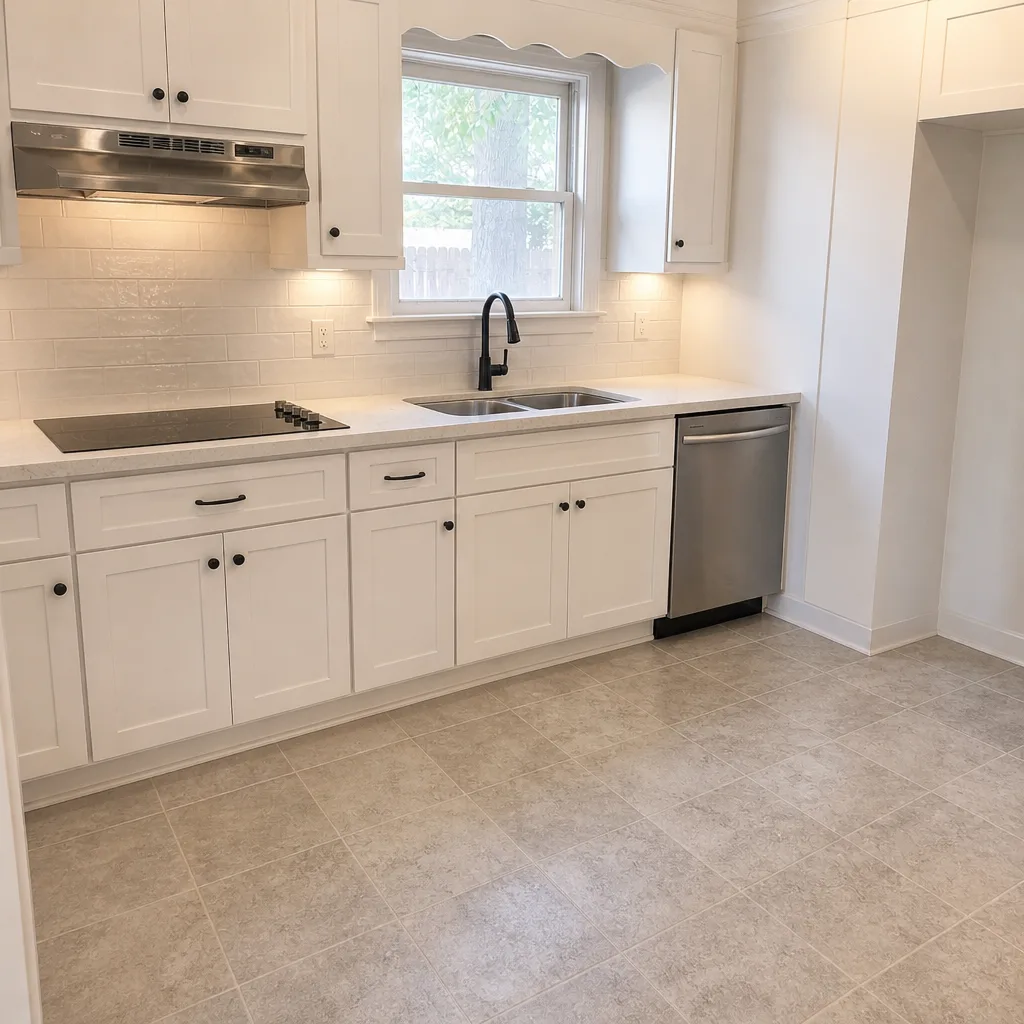 After
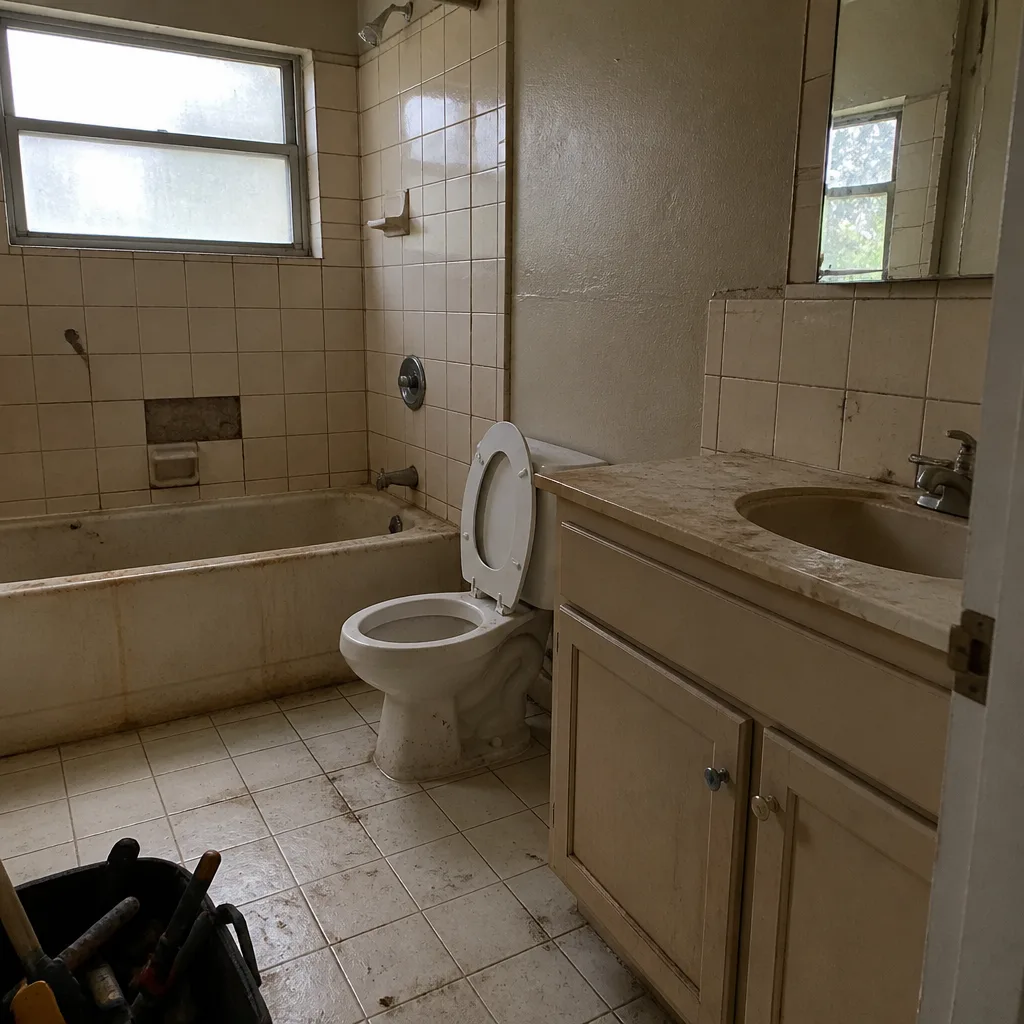 Before
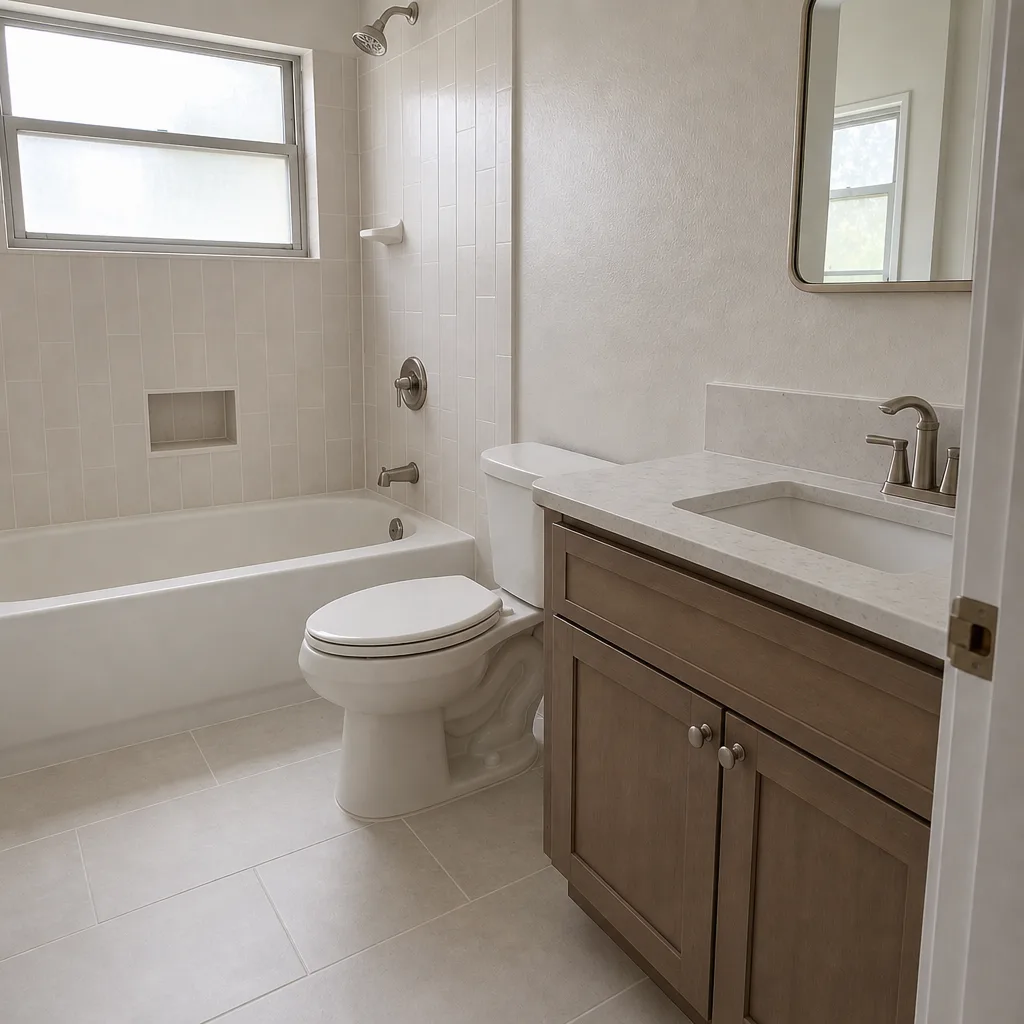 After
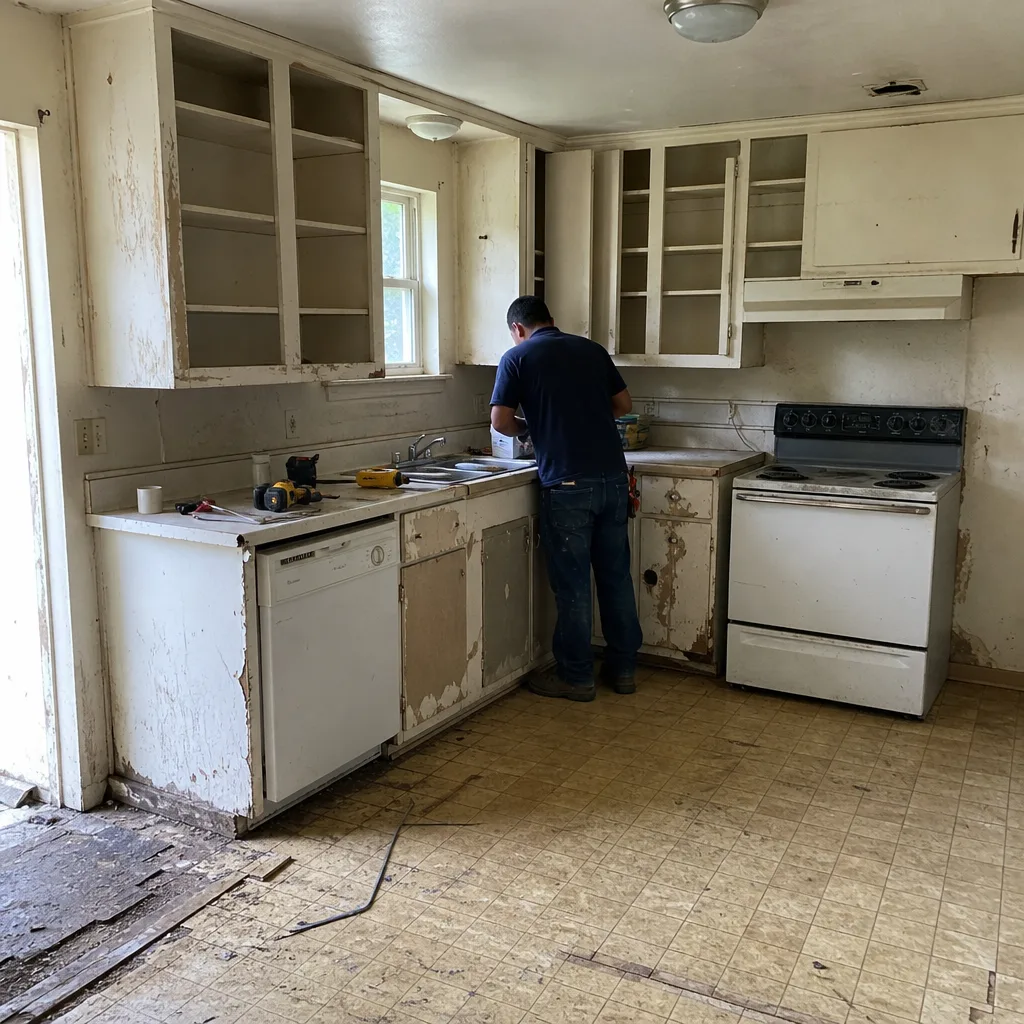 Before
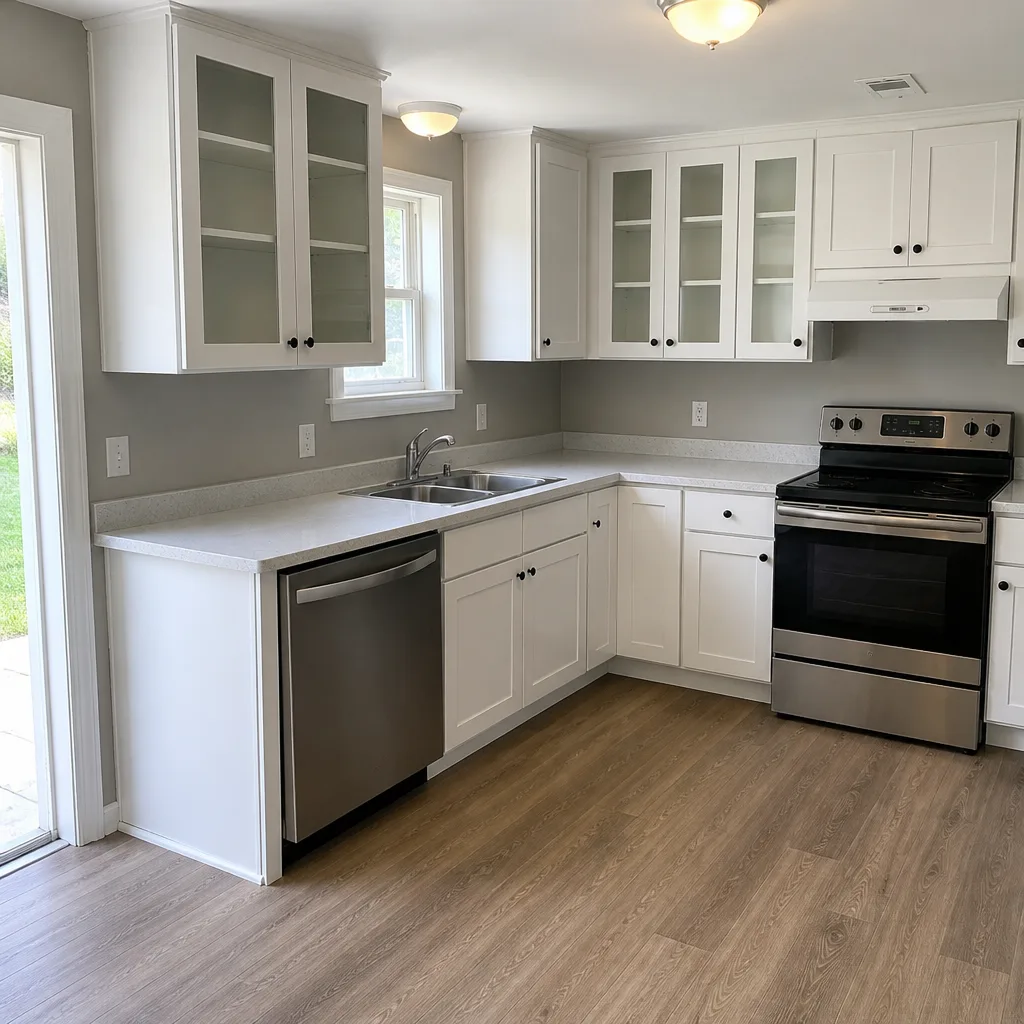 After
How Long Does a Tile Roof Last in Dallas, TX? The Underlayment Answers That Question, Not the Tile
A tile roof in Dallas usually lasts 20 to 25 years before the waterproofing under it fails, even though the clay or concrete tile itself can hit 50 years or more. The tile is a ballistic shield against rain, sun and hail; the synthetic underlayment underneath is the layer that actually keeps water out. In Dallas, that underlayment dies long before the tile above it does.
We see this every week. A homeowner in Lakewood looks at a roof that still looks great from the driveway and can’t figure out why water is staining the ceiling in the hallway. The tile didn’t fail. The felt did. If you’re already seeing those stains, call Groundwork Construction Co. of Dallas at (844) 797-4808 and we’ll tell you what’s actually going on before anyone touches a tile.
Key Takeaways
- Tile life in Dallas: 50+ years. Underlayment life in Dallas: 20-25 years. The shorter one controls.
- Cheap #30 felt can become brittle and dry-rot in under 20 years under a Dallas attic that hits 150°F in August.
- Hail can crack a single concrete tile without obvious damage from the ground, and that crack wicks water past the underlayment.
- Re-felting under an intact tile field often costs 40-60% of a full replacement.
- All our work is covered by the 730-Day Done Right Promise, and prices are upfront before work starts.
Why the Underlayment, Not the Tile, Sets the Clock
Think of a tile roof as two systems stacked on top of each other. The tile field handles the obvious stuff: direct rain, UV, wind-driven debris and the occasional hailstone. Underneath, a continuous membrane – either #30 felt or a modern synthetic – covers the deck and does the real waterproofing.
Dallas heat is what kills that membrane. Attic temperatures here routinely push past 150°F in July and August, and the felt bakes from both sides. A #30 felt laid down in 2003 in a Dallas attic is often brittle enough to crack in your hand by 2023. A synthetic underlayment buys you more time, but it still ages out. The tile on top may look factory-fresh the whole time, which is exactly why so many Dallas homeowners are blindsided.
When the felt goes, water finds the seams and the fasteners first. It shows up as a ceiling stain, a bubbling paint line on a wall, or a musty smell in a closet nobody opens. By that point the leak has usually been running for months.
How Dallas Hail Turns a “50-Year Roof” Into a Leak
Spring hail is the second half of the story. A 1.5-inch hailstone can crack a concrete tile on its surface without leaving obvious visible damage from the ground. The tile still looks fine. The crack is what matters, because it channels water directly to the underlayment below and, once that felt is compromised, into the deck.
What we find on Dallas tile roofs after a storm:
- Cracked or chipped individual tiles, especially on south and west-facing slopes that take the worst of a hail core.
- Displaced tiles and broken mortar at hips and ridges, where wind gets under the field.
- Broken or corroded fasteners where the tile meets the deck.
- Fresh leaks under intact-looking tile, because the felt was already past its service life when the hail hit.
On a Dallas home, a hail inspection should look at more than the tile. If a roofer only walks the ridge line and says the roof looks fine, they probably haven’t checked the underlayment or the flashings where the leak actually starts. Our Roofing crews do the on-deck inspection and hand you a written assessment, not a sales pitch.
Two Ways to Fix a Dallas Tile Roof, and What Each Costs
When the underlayment fails but the tile field is intact, a skilled crew can strip the tiles, roll out new underlayment and re-lay the original tile. That work requires handling each tile individually rather than a full tear-off, which is why some roofers skip it and quote a full replacement instead. We quote both. You compare, you decide.
| Repair scope | Typical Dallas cost |
|---|---|
| Individual tile repair (cracked or displaced tiles) | $600-$2,500 |
| Underlayment rehabilitation (strip, re-felt, re-lay original tile) | 40-60% of full replacement |
| Full tile roof replacement | $8,000-$20,000 |
| Metal roof installation (alternative) | $15,000-$40,000 |
Two things shape that comparison. First, whether the tile is genuinely reusable: cracked tiles, missing pieces and weathered mortar shift the math toward replacement. Second, the framing. Once a Dallas home has been engineered and built for tile load, keeping tile long-term is structurally sensible. Switching to shingles mid-life doesn’t free up structural capacity in any meaningful way, so investing in the underlayment preserves the original engineering intent instead of paying twice to change horses.
Groundwork partners on GAF and CertainTeed materials, and everything we install falls under the 730-Day Done Right Promise: if it isn’t done right, we make it right. Pricing is upfront before work begins – the number you see is the number you pay.
Common Local Scenarios We Get Called About in Dallas
Water stain on the ceiling, roof looks perfect from the street
Classic underlayment failure. The tile field held. The felt didn’t. A proper inspection tells you whether you’re looking at targeted repair or full re-felting, and both are cheaper the earlier you catch them.
A storm passed through and one slope looks a little off
Hail cracks don’t always show up from the ground. If a neighbor’s roof was damaged, odds are good yours has hairline cracks on a west-facing slope. Those cracks wick water into the underlayment, and that’s the slow leak you’ll deal with later.
An older home on what we’d call the Blackland clay belt
Dallas sits on expansive clay soil that swells and shrinks with the wet-dry cycle, and homes here are built and engineered with that in mind. The good news for tile: if the home was framed for tile load, it’s designed for tile load. Replacing the underlayment keeps you in that original engineering envelope.
You’re staring at a quote for full replacement and wondering if it’s necessary
Ask for a second opinion that covers underlayment rehabilitation as an option. A roofer who only quotes full tear-off isn’t giving you a comparison; you’re getting a default. We put both numbers in writing so you can see what each approach actually buys you.
When to Call a Professional
Tile roofing involves working at height on a brittle surface, and a single mis-stepped tile can crack underfoot. If you have a leak, visible tile damage, or an attic that smells musty after rain, that’s a call-the-pro situation. Our technicians have up to 12 years of experience, and every job is handled with the care the material demands. From foundation to finish line, our Dallas service area team can inspect, diagnose and quote without the runaround, and our home page has the full picture of what we cover.
FAQs
A tile roof in Dallas lasts 20-25 years before the underlayment beneath it fails, though the tile itself can last 50 years or more. The underlayment sets the service life, not the tile. Call (844) 797-4808 for an inspection that looks at both layers.
Yes, if the tile field is intact. A skilled crew can strip, re-felt and re-lay the original tile, often at 40-60% of full replacement cost. That job requires handling individual tiles rather than tearing off the whole roof, and not every roofer will quote it. Call us for a straight comparison on both options.
Yes, hail cracks concrete tile on the surface without always leaving visible damage from the ground. A 1.5-inch stone can crack one tile while the rest of the field looks fine, and that crack channels water past the underlayment. After a hail event, get the roof inspected even if it looks good from the driveway.
Repair is usually cheaper when the tile is intact and only the underlayment has failed; full replacement makes more sense when tile damage is widespread. Individual tile repair runs $600-$2,500, and a full tile replacement runs $8,000-$20,000. Call us for an exact quote, and remember the 730-Day Done Right Promise covers the work either way.
Get a No-Pressure Assessment
If you’d rather have it looked at than guess, Groundwork Construction Co. of Dallas offers a no-pressure assessment in Dallas. We look at the tile, the underlayment and the flashings, then give you upfront numbers on repair and replacement. Call (844) 797-4808, and a live person picks up – 24/7, seven days a week.
Written by the team at Groundwork Construction Co. of Dallas, serving Dallas, TX.