
Last updated November 17, 2026
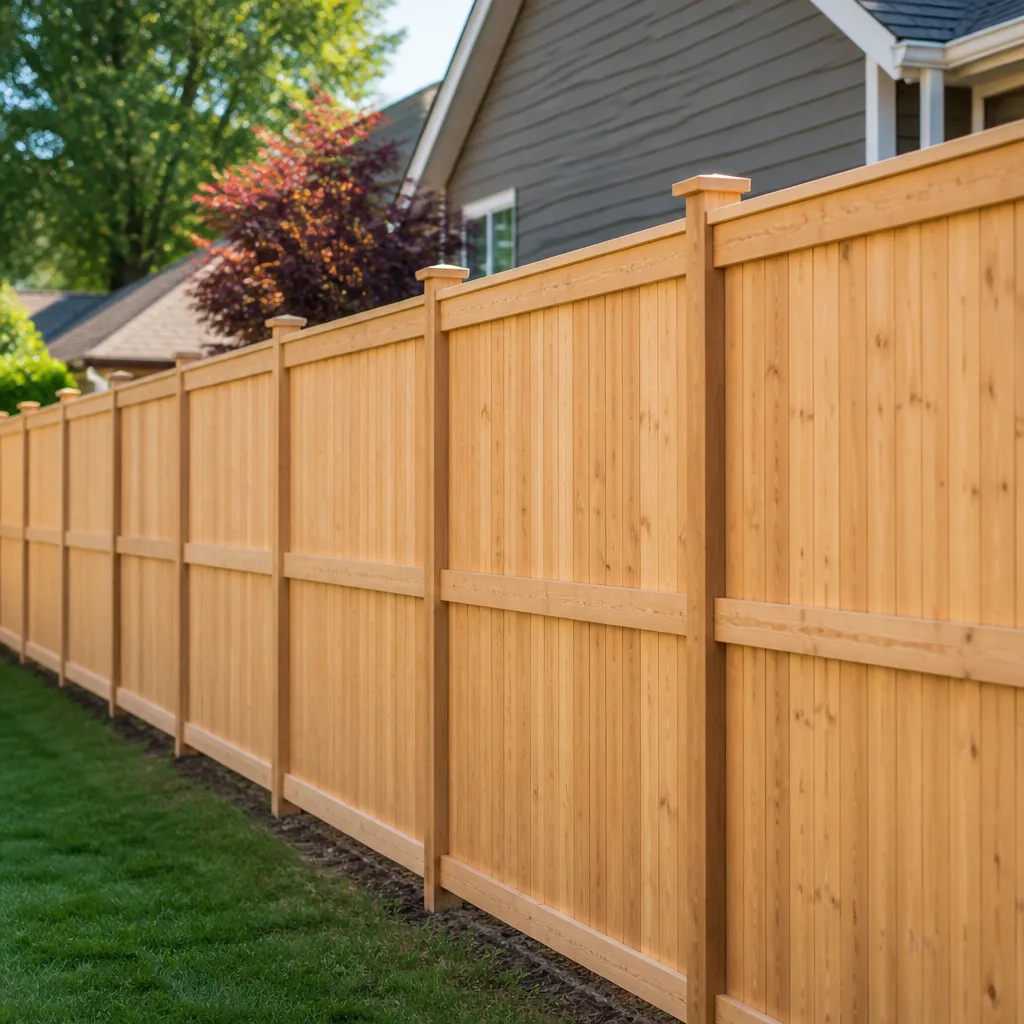 Fence
 Kitchen remodeling
 Bathroom remodeling
 Home additions & ADU
 Roofing
 Windows & doors
 Driveway & pavers
Free written scope consultation - allowances, timeline, and change-order rules on paper before a single trade is scheduled
DIY vs Professional Fence Installation: What’s Safe to Do Yourself
Most fence installation advice you’ll read online focuses on the wrong thing. Pickets, rails, spacing, stain color – the visible stuff. The part Dallas homeowners consistently get wrong is the post holes: the diameter, the depth, and the concrete technique in Blackland Prairie clay that expands and contracts enough to push an improperly set post right out of the ground. A fence that looks perfect in March can be leaning by the third summer. This guide breaks down the honest go/no-go decision for taking on a fence in Dallas, what a homeowner can legitimately handle themselves, and what truly needs a pro.
Quick Answer
Installing a fence yourself is worth it only when your lot is flat, your soil drains well, your HOA and city permit situation is simple, and you can commit 3 to 6 weekends of labor. Everything else – sloped lots, heavy clay, tall privacy fences, corner or gate sections – is where DIY projects fail. Board replacement, staining, gate adjustments, and decorative panel additions are safe for most homeowners. Post-setting, structural sections, and anything requiring permits should go to a licensed contractor.
Styles & brands we work with
- Kitchen remodeling
- Bathroom remodeling
- Home additions & ADU
- Roofing
- Windows & doors
- Driveway & pavers
- Fence
Table of Contents
- The Three Honest Go/No-Go Criteria
- What You Can Safely DIY (and What You Can’t)
- Post Setting in Blackland Prairie Clay: The Part Most Guides Get Wrong
- Permits, HOA Rules, and the Dallas Process
- The Real Cost Comparison: DIY vs Professional
- The Hybrid Approach: Hire a Pro for Post Setting Only
- Tools, Materials, and What the Job Actually Requires
- Maintenance: What Keeps Any Fence Standing
The Three Honest Go/No-Go Criteria
Forget confidence level. Plenty of capable homeowners with woodworking experience have torn out their own failed fence three years later because they skipped one of the three factors below. In our experience working across Dallas neighborhoods, these are the three variables that decide whether DIY is realistic – nothing else matters as much.
1. Lot Size and Linearity
A straight 100-foot run along a property line is a very different job than a 300-foot fence that zigzags around trees, utilities, and an existing easement. The linear feet matter, but so does the number of corners, gate sections, and transitions. Each corner adds framing complexity. Each gate adds structural requirements that a beginner will underestimate. According to industry guidance, a first-time DIY fence install averages 40-60 linear feet per weekend for a solo homeowner – a typical Dallas suburban yard of 200+ linear feet consumes most of two months of Saturdays.
2. Soil Conditions and Grade
Flat ground with well-draining loam is DIY-friendly. Sloped grade, expansive clay, or standing water after rain are not. Dallas sits squarely in the Blackland Prairie belt, which means the vast majority of properties here deal with shrink-swell clay that will move a poorly footed post. We’ll get into exactly what that means for depth and concrete in a later section, because it’s the single biggest reason Dallas DIY fences fail.
3. Permits and HOA Approvals
If your fence is 6 feet or under and on a standard interior lot, you may not need a Dallas permit. If it’s taller, on a corner, near a right-of-way, or in certain historic districts, you probably do. If you live in an HOA, add another layer: design review, material approval, sometimes height and color restrictions. A homeowner who starts digging before checking both is one code complaint away from tearing it all out. We’ve seen it happen in Frisco and Plano HOA neighborhoods more than once.
If all three criteria come back clean – flat lot, manageable size, simple permit and HOA situation – DIY is genuinely worth considering. Any single “no” tips the calculus toward professional installation. And if you’re already weighing broader exterior improvements, our overview of Groundwork Construction Co. of Dallas home shows how fences fit alongside other upgrade projects.
What You Can Safely DIY (and What You Can’t)
The good news: fence work isn’t all-or-nothing. There’s a wide range of fence maintenance tasks that any reasonably handy homeowner can take on without structural risk or injury potential. Here’s the honest split.
Safe to DIY
- Board and picket replacement. Single or small groups of damaged pickets are a straightforward swap. Pull the fasteners, cut the new board to size, prime the cut ends, attach.
- Gate adjustments. Sagging gates usually just need hinge tightening, a new hinge, or a diagonal brace. Very DIY-friendly.
- Staining and sealing. Yearly or biennial maintenance that extends fence life and adds years between replacements. Any homeowner can do this well with the right brush or sprayer.
- Decorative panel additions. Lattice toppers, privacy screens, trellis sections – cosmetic additions that don’t carry structural load.
- Small repairs to rails and caps. A single split top rail or missing post cap is a simple fix.
- Weed control and clearing along the base. Unglamorous but genuinely extends life by reducing moisture against the wood.
Not Safe to DIY
- Setting new posts. Post depth and concrete technique in Dallas clay determine whether your fence survives. This is the structural core.
- Removing or replacing structural posts near utilities. Call 811 before any digging. A strike on a gas, water, or electrical line is dangerous and expensive.
- Corner and gate post installation. Gate posts carry the load of the gate plus the fence section next to it – they need stronger footings than a run post.
- Tall privacy fence installation on sloped lots. Grade changes require stepped panels and careful framing. This is genuine contractor-level work.
- Removal of an existing failing fence on a property line shared with a neighbor. Boundary issues and shared-cost questions are best handled with clear documentation and usually a professional.
- Any fence requiring a permit or touching an easement. Not the place for learning on the job.
Post Setting in Blackland Prairie Clay: The Part Most Guides Get Wrong
Here’s the part that separates a fence that stands for 20 years from one that’s leaning before year three. Dallas sits on Blackland Prairie clay – expansive, heavy, and characterized by significant shrink-swell behavior as it cycles between wet and dry. Most national fence installation guides are written for sandy or loam soils and recommend a 24-inch post depth. In Dallas clay, that’s often not enough, especially for a 6-foot privacy fence catching north Texas wind.
Why Standard Guides Underestimate Dallas
When clay dries, it contracts and pulls away from the post. When it re-wets after a big spring storm, it swells and pushes. A post set at 24 inches doesn’t have enough below-grade mass to resist that cycle – the concrete plug and the post move with the soil rather than anchoring against it. The result is the classic Dallas leaning-fence look after three or four wet-dry cycles, or a post that pops up out of the ground outright.
What North Texas Actually Requires
Best practice in this market is deeper and wider: post holes typically 30-36 inches deep for a 6-foot fence, with a hole diameter of around 10-12 inches to give the concrete enough bell-shaped mass to resist uplift. That’s before drainage. A post hole that fills with water in a rain event will fail regardless of depth. We grade and drain around post holes as part of the job – it’s not optional, and it’s rarely mentioned in DIY guides.
A Few Cautionary Notes
Post-setting is heavy, repetitive labor with real injury potential in the wrists, back, and shoulders – especially for a full run of 20+ posts. Concrete work in summer heat carries its own risks. And if the lot has utilities anywhere near the fence line, 811 marking is non-negotiable. These are the specific reasons post-setting is the one phase of fence work most worth handing to a professional crew, even if you’re doing everything else. For more on how a properly installed fence compares to other structural exterior work, see our guide to Fence Installation in Dallas.
Permits, HOA Rules, and the Dallas Process
Dallas fence rules are split between city code and HOA covenants, and skipping either is a common and expensive mistake. Here’s what most homeowners need to know before the first shovel hits the dirt.
Dallas City Code Basics
- Height: Residential fences in most Dallas zoning districts are limited to 6 feet in the rear and side yards, with tighter restrictions in front yards and corner lots in certain districts.
- Front yard fences: Restricted in many Dallas neighborhoods, and often require a permit.
- Corner lots: Additional setback and height rules apply, generally tied to sight triangle requirements at the intersection.
- Historic districts: Properties in designated historic districts – including parts of Swiss Avenue and Munger Place – need design review approval before any fence work.
- Easements: Fences on or near utility easements may require removal at your cost if utility work is needed. Always check before installing.
HOA Considerations
Suburban HOAs in Plano, Frisco, Allen, McKinney, and parts of North Dallas often require pre-approval on material, color, height, and sometimes specific panel styles. Most have architectural review committees with 30-day turnaround. Submitting a plan before ordering materials avoids the scenario where a homeowner installs a beautiful fence that has to come back down. If you’ve already got a permit or HOA approval and need it done right, our Fence Installation in Dallas team knows the drill in these neighborhoods.
Call 811 Before You Dig
Every fence project in Dallas should start with an 811 call, typically 2-3 business days before digging. It’s free, it’s required by law in most cases, and it prevents the kind of utility strike that racks up five-figure repair bills. There is no DIY shortcut here.
The Real Cost Comparison: DIY vs Professional
Homeowners usually compare raw material cost to a professional quote and conclude DIY is dramatically cheaper. Real numbers are closer than they look, especially once tool rental, permits, disposal, and your own weekends get factored in. Here’s a realistic breakdown for a typical 150-linear-foot, 6-foot wood privacy fence in Dallas.
Rough Cost Ranges
- Materials (wood privacy, DIY): $2,800-$4,500 for posts, rails, pickets, concrete, fasteners, and stain
- Tool rental and purchases: $250-$600 (post hole digger or auger rental, levels, saws, safety gear, wheelbarrow)
- Permit fees (if required): $100-$500 depending on scope and district
- Disposal of old fence: $200-$500
- 811 marking: $0
- DIY total: roughly $3,400-$6,100 plus 5-8 weekends of your time
- Professional installation (wood privacy, 150 linear feet): $5,500-$9,500 depending on materials, access, and site conditions
The gap is usually $2,000-$3,500 – meaningful, no question. But that gap buys permits pulled and inspections passed, waste hauled away, a workmanship warranty, and the difference between a fence backed by a documented guarantee and one where the only warranty is your own weekends. When a professional install is covered by the 730-Day Done Right Promise, the labor savings you’re chasing starts to look more like insurance than savings.
Upscale materials shift the numbers further. A composite or high-end vinyl fence in a Dallas suburb often lands $40-$65 per linear foot installed, versus $25-$35 for standard wood. Choose based on decade-scale durability, not just the first invoice. For comparison, the cost of replacing a fence pales next to larger structural projects – our Home Additions & ADU in Dallas guide gives a sense of scale.
The Hybrid Approach: Hire a Pro for Post Setting Only
This is the tactic most DIY guides never mention: you don’t have to choose between full DIY and full professional installation. For a homeowner who’s genuinely skilled with tools and wants to save real money, hiring a professional crew to handle post setting, then completing the rails, pickets, and trim yourself is a legitimate middle path. It captures most of the savings while eliminating the phase where DIY fences actually fail.
How the Hybrid Approach Works
- Get the plan right first. Decide fence height, material, panel style, and gate placement before anyone touches a shovel. Have the layout marked.
- Confirm permits and HOA approval. The pro crew setting posts will still require a compliant layout – pulling permits is typically your responsibility as the homeowner if the pro is only doing a partial scope.
- Call 811 and wait for markings. 2-3 business days minimum, no exceptions.
- Hire a pro crew for post holes, footings, and post setting only. Ask specifically about their depth and hole-diameter standard in Dallas clay – a crew that says “24 inches is standard” is not working to North Texas soil.
- Frame and board yourself. Rails, pickets, gate framing, and finish work are well within reach for a homeowner with basic carpentry skills.
- Handle your own stain and seal after curing. Wait for treated lumber to dry per the manufacturer’s recommendation, then finish.
What You Save and What You Don’t
Hybrid projects typically save 30-45% off a full professional install. You keep the structural quality of a proper post job and carry the cosmetic and framing work yourself. You give up a single warranty covering the whole fence – that’s the honest tradeoff. That said, a professional post-setting job leaves you with the section most likely to fail covered, and boards and rails are the cheap part to replace if something goes wrong later. For homeowners with driveway or hardscape in the same project, our Driveway & Pavers in Dallas service pairs well with a fence upgrade and can be scheduled together.
Tools, Materials, and What the Job Actually Requires
Before you commit to DIY, lay out the actual tooling. Most homeowners own half of it and rent or buy the rest. The list below is the realistic minimum for a wood privacy fence – absent any of it, the project gets slower and the result gets worse.
Tools
- Post hole digger or powered auger (rental recommended for 20+ posts)
- 4-foot and 2-foot spirit levels
- Circular saw and miter saw
- Speed square and chalk line
- Drill and impact driver
- String line and stakes for layout
- Wheelbarrow and mixing hoe for concrete
- Safety gear: eye protection, hearing protection, gloves, sturdy boots
Materials Considerations
Material choice matters more than most DIY planners realize. Standard pressure-treated pine is the workhorse of Texas fences but needs replacement roughly every 12-15 years with regular upkeep. Cedar and composite push the timeline further but cost meaningfully more upfront. Brand partners like James Hardie make fiber cement products that are used for exterior cladding more often than fencing – worth knowing if you’re coordinating a fence with a siding or exterior refresh. For soil-related drainage concerns, incorporating gravel into the post base at the top of the concrete plug helps water escape rather than pooling against the wood – one cheap detail that adds years.
Time Realistically
First-time DIY fence installers on a 150-foot privacy fence with proper post depth should plan 5-8 working weekends. Skilled crews complete the same job in 2-3 days. That gap is not laziness on the DIY side – it’s experience, tooling, and knowing where to cut corners safely vs. not at all.
Maintenance: What Keeps Any Fence Standing
Whichever path you take, maintenance determines lifespan. A properly installed fence neglected for a decade will fail earlier than a modestly installed fence that’s been looked after. Dallas weather is hard on wood: hot, dry summers, occasional freezes, spring storms with significant wind. Here’s what actually extends life.
- Stain or seal every 2-3 years. Especially on south- and west-facing fence lines that catch the worst of the Dallas sun.
- Clear vegetation from the base. Vines, ivy, and dense weeds trap moisture against the wood and accelerate rot.
- Check posts after heavy rain. Any rocking or visible soil settlement around the base is an early warning sign.
- Fix small board damage quickly. A single cracked board lets water into the interior and can rot the rail below it.
- Re-tighten gate hardware seasonally. Texas soil movement is hard on gate alignment; a 10-minute adjustment every spring saves a full gate replacement later.
None of this requires a contractor. It does require consistency. In Dallas, a well-maintained fence routinely lasts 20+ years; a neglected one fails in 10.
Common Mistakes to Avoid
- Digging before calling 811. The most expensive DIY mistake in Dallas fence work. Utility strikes on gas, water, or fiber lines regularly exceed five figures in damage and are entirely preventable with a free call.
- Setting posts at 24 inches in clay. The single reason most Dallas DIY fences start leaning around year three. North Texas clay needs 30-36 inches of depth and a wider, bell-shaped concrete plug to resist shrink-swell movement.
- Skipping the permit check on a corner lot or in a historic district. A fence that has to be torn back down because it violates a Dallas sight-triangle or historic district rule is a full re-do of the project budget.
- Assuming your HOA rules match your neighbor’s fence. Two streets over in Plano or Frisco can carry different architectural review covenants. Get your community’s rules in writing before you order materials.
- Setting posts directly in soil without concrete. Tempting for speed, but the fence won’t survive a wet-dry cycle in Blackland Prairie soil. Every structural post needs a proper concrete footing.
- Installing in summer heat without hydration and shade planning. Concrete and post work in Dallas in July and August is genuinely dangerous for a solo homeowner. Plan the job for spring or fall.
- Not documenting the property line. Building even 6 inches over on an unverified line creates a neighbor dispute that usually ends in removal. Get a survey or a signed agreement from the neighbor before you dig.
See the difference
 Before
 After
 Before
 After
 Before
 After
When to Call a Professional
Some fence projects deserve a pro from start to finish, and pretending otherwise wastes time and money. Call a professional contractor if any of the following are true: your lot is sloped or graded in a way that requires stepped panels; your planned fence is taller than 6 feet; you’re on a corner lot or in a historic or HOA-governed neighborhood; your property line runs near utilities, easements, or unverified boundaries; you need the fence replaced before a specific deadline (selling the home, adding a pool, welcoming a pet); or you simply don’t have 5-8 weekends to commit this season. In those cases, the $2,000-$3,500 gap between DIY and professional install buys you a fence backed by a real workmanship warranty, permits pulled and inspections passed, and the job actually done on schedule. Groundwork Construction Co. of Dallas offers free estimates in Dallas – call (844) 797-4808 to schedule one, with no pressure and no surprises in the number you receive.
Frequently Asked Questions
It depends on three things: lot grade, soil, and permit/HOA complexity. A flat, straightforward 100-foot wood fence on a standard Dallas lot is worth doing yourself if you have the time and basic carpentry skills. A sloped lot, a corner property, a historic district, or an HOA with strict design review is usually not – the redo risk outweighs the savings. Call (844) 797-4808 for a free estimate before committing either way.
30-36 inches for a 6-foot fence, with a wider hole diameter of roughly 10-12 inches to create a concrete plug that resists clay movement. Standard national guides recommend 24 inches, which is often not deep enough in North Texas Blackland Prairie soil. Posts set at 24 inches usually start leaning after 2-3 wet-dry cycles, while properly set posts hold for decades. Call (844) 797-4808 to talk through what your specific property needs.
Often no for a standard 6-foot-or-under fence on an interior lot, but yes if the fence is taller, on a corner, in a historic district, or in a front yard. HOA rules are separate and often stricter. Check with Dallas Development Services and your HOA before ordering materials. For a straight answer on your specific lot, call (844) 797-4808 – the estimate is free.
Expect $5,500-$9,500 for a 150-linear-foot, 6-foot wood privacy fence, installed. Composite or premium vinyl runs higher, typically $40-$65 per linear foot. That price includes permits, site prep, waste haul, and a workmanship warranty – items DIY budgets often miss. Call (844) 797-4808 for an exact quote on your property – estimates are free and there are no surprises in the number you see.
Yes, and it’s one of the smartest savings strategies for a capable DIYer. Most contractors will handle post setting and footings as a stand-alone scope, then you frame and board the fence yourself. You save 30-45% off a full install and still get the structural work done to North Texas standards. Call (844) 797-4808 to talk through what a partial-scope project would look like on your lot.
15-25 years for a properly set and maintained wood fence, longer for composite or metal. The three factors that determine lifespan are post depth and concrete quality (30-36 inches in clay), drainage around the base, and regular maintenance – restaining every 2-3 years and clearing vegetation. If those hold, the fence outlasts most homeowners’ time in the house. Call (844) 797-4808 to schedule a free estimate or a post-repair inspection.
The Bottom Line
DIY fence installation is a real option for a Dallas homeowner with a flat, straightforward lot, no permit complications, and 5-8 weekends to spare. Everything else tips toward hiring a pro. The three honest criteria – lot linearity, soil and grade, permit and HOA complexity – decide the outcome more than skill level does. The part most DIY guides get wrong is post depth in Blackland Prairie clay, where 24 inches is standard for the country but not enough for North Texas. With post depth at 30-36 inches and proper drainage, a fence holds for decades. Skip those and it leans before year three. Either way, the maintenance habit matters more than the install method.
If your property is one of the ones where DIY doesn’t pencil out – sloped terrain, a corner or historic lot, an HOA with strict design review, or simply a schedule that can’t absorb two months of weekends – call (844) 797-4808 for a free estimate. We help Dallas homeowners sort out the go/no-go question honestly, provide upfront pricing with no surprises, and back every project with our 730-Day Done Right Promise. Built to last, backed in writing.
Written by the team at Groundwork Construction Co. of Dallas.