
Last updated November 17, 2026
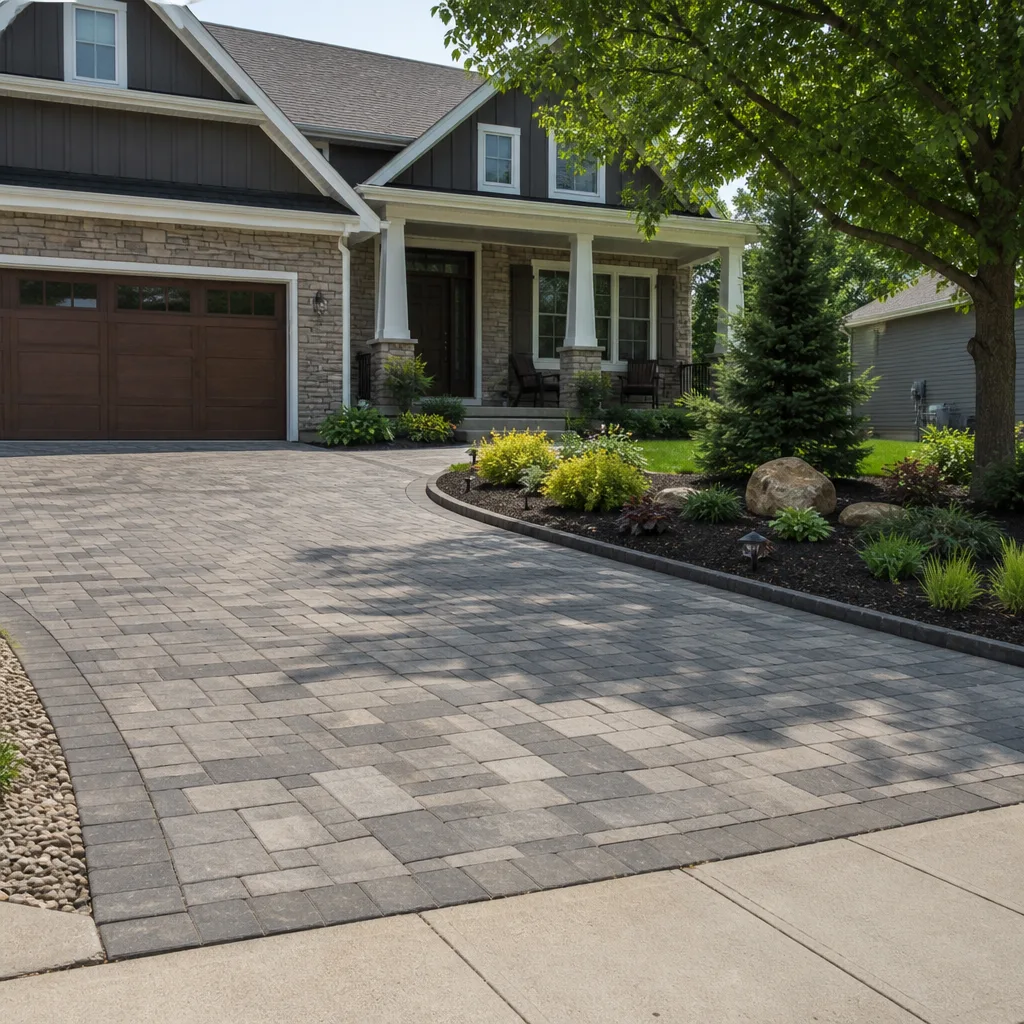 Driveway & pavers
 Kitchen remodeling
 Bathroom remodeling
 Home additions & ADU
 Roofing
 Windows & doors
 Fence
Free written scope consultation - allowances, timeline, and change-order rules on paper before a single trade is scheduled
Driveway & Pavers Maintenance Checklist for Dallas Homeowners
Your driveway moves. A lot. Over one year, Dallas temperature swings and our expansive clay soil can push a slab or paver field up and down by nearly a quarter inch. Most homeowners don’t notice until a joint opens wide enough to swallow a heel or water starts pooling against the garage slab. The gap almost never comes from a bad pour or cheap pavers. It comes from missing the maintenance the Dallas climate actually demands. This checklist covers what to inspect, when to inspect it, and how to fix problems before they cost four figures. It’s written for Dallas conditions, not a manufacturer’s generic timeline built for a milder climate.
Quick Answer
In Dallas, inspect your driveway four times a year, re-sand paver joints every spring, re-seal pavers every 12 to 18 months instead of the manufacturer’s 3-to-5-year suggestion, and treat freeze-thaw cracks after every hard freeze below about 28°F. Pressure-wash limestone dust only in early spring or late fall, never in July, and never above roughly 2,500 PSI on polymeric sand. Those intervals match our heat, clay, and freeze-cycle reality.
Styles & brands we work with
- Kitchen remodeling
- Bathroom remodeling
- Home additions & ADU
- Roofing
- Windows & doors
- Driveway & pavers
- Fence
Table of Contents
- Why Dallas Wrecks Driveways (and Why the Usual Advice Fails)
- Re-Sanding and Re-Sealing Paver Joints: Real Dallas Intervals
- How to Inspect for Subbase Heaving After Dallas Rain and Drought
- The Freeze-Thaw Crack Protocol for Dallas Winters
- Pressure Washing: How to Get Rid of Limestone Dust Without Killing Polymeric Sand
- The Month-by-Month Dallas Maintenance Checklist
- Concrete, Asphalt, and Pavers: What Each One Needs
- Drainage: The Thing Most Dallas Homeowners Ignore
Why Dallas Wrecks Driveways (and Why the Usual Advice Fails)
Most paver and sealant guidance is written by manufacturers in Ohio or the Pacific Northwest. Their timelines assume mild summers and gradual frost. Dallas runs a different playbook: 100°F-plus summers, two to three months of drought, then heavy spring rain that swells our blackland and expansive clay, followed by 20 to 30 freeze nights between December and February. The material isn’t the weak link. The constant movement under it is.
Clay soil is the main actor here. When it’s wet, it expands. When it’s dry, it shrinks and pulls away from the slab or paver edge. That shrink-swell cycle is what heaves subbase, opens joints, and sends hairline cracks across concrete. In areas like Plano, Frisco, and the older neighborhoods around Lakewood and Lochwood, we’ve seen clay movement do more damage to a five-year-old driveway than twenty years of traffic.
There’s a second issue that’s specific to North Texas: limestone dust. Our local aggregate, fill dirt, and even road dust from nearby construction settle onto pavement and react with water to leave a white, chalky film. That film isn’t just cosmetic. It packs into paver joints and clogs the gaps that allow water to drain. Left alone, it turns into a hardened crust that traps moisture against the paver edge and slowly works polymeric sand loose.
Here’s what most maintenance advice gets wrong for Dallas:
- Sealer timelines assume a gentler sun. Dallas UV exposure breaks down sealant faster than northern climates. A sealant the label says will last five years often looks chalky or starts failing at 18 months here.
- Winter advice ignores clay. Freeze-thaw is a real issue, but the bigger winter problem in Dallas is clay contraction opening joints that a hard freeze then fills with water. The freeze isn’t the start of the problem, it’s where the problem shows up.
- Pressure-washing guides skip limestone. Northern guides focus on moss and mildew. In Dallas, the main cleaning job is limestone dust, and it needs a very different technique.
If you’re starting from scratch and trying to figure out whether a paver driveway is even the right call for your property, it’s worth reading up on Driveway & Pavers in Dallas before you commit. Maintenance is real work either way. Picking the right material up front makes it much easier.
Re-Sanding and Re-Sealing Paver Joints: Real Dallas Intervals
Manufacturers of polymeric sand typically recommend re-sanding every three to five years. That’s an Ohio timeline. In Dallas heat, sun, and clay movement, joints need attention every spring, with a full re-sand every 18 to 24 months if the driveway takes direct-afternoon sun. Sealant on pavers is similar: plan on re-sealing every 12 to 18 months, and definitely before summer, not after.
The reason is straightforward. Dallas summers push surface temperatures on dark pavers and asphalt above 140°F. That heat cycles a sealer through expansion and contraction hundreds of times between June and September. Add UV degradation and you have a coating that’s thinning by fall even though the label promises years.
Signs Your Joints Need Re-Sanding Right Now
- Sand strips out from between pavers when it rains, leaving a visible channel.
- You can push a joint down more than 1/8 of an inch with your finger.
- Weeds are popping up in the joints, which means there’s space for moisture.
- Water pools on top of paver joints instead of draining through them.
- The paver edges feel loose underfoot when you walk across the driveway.
How Re-Sanding Works in Practice
- Wait for a dry stretch. In Dallas, aim for a late-March-to-May window after the heavy spring rains break. Polymeric sand needs at least 24 hours of dry weather to set properly.
- Clean the joints first. Blow or sweep out old sand, dirt, and weed roots. Don’t skim over the top: any organic material left in a joint will cause the new sand to fail in the first rain.
- Fill the joint to within 1/8 inch of the paver surface. Overfill is a common DIY mistake. The sand needs a little room to settle when it activates.
- Activate with a light mist. The polymeric sand sets with water, but too much water washes the binder out. A gentle mist until the joint darkens, then stop.
- Keep vehicles off for 24 hours. Dallas afternoon thunderstorms don’t take weekends off. Time the job around the forecast.
For sealer, the chemistry matters more in Dallas than anywhere else. Solvent-based sealers tend to hold up better against our UV load, and acrylic-based sealers with a matte finish have become the stand-by choice for off-white and tan pavers because they don’t yellow faster than the pavers darken. Never seal within 48 hours of rain, and skip sealing if the driveway has any visible heave: sealing over a failing subbase just traps water under the pavers and makes the eventual repair harder.
How to Inspect for Subbase Heaving After Dallas Rain and Drought
Subbase heaving is the quiet killer. On the surface, a driveway can look acceptable. Beneath it, the clay has swelled under one paver run and shrunk under another, and now the whole field is out of plane. In Dallas, this is the single most expensive issue we find, and the one homeowners recognize the least.
The good news is that subbase heave tells you it’s developing, if you know where to look. The key moments are about two weeks after a heavy rain event (May, September, and October are the peak months in Dallas) and about two weeks into a prolonged dry spell (July and August).
What to Inspect, In Order
- Walk the paver field barefoot. You’ll feel plane changes that you’d miss in shoes. A sudden dip or rise of even 3/16 inch across a few pavers is worth investigating.
- Check the perimeter edge. Look for paver edges lifting away from the retaining edge or the garage slab. That gap is often the first sign the subbase is moving.
- Lay a 6-foot level or a straight board along the driveway crown. There should be a consistent slope toward the street or a drainage swale. Any pivot point is a heave.
- Look at the joint widths. If one joint is suddenly wider than its neighbors, the pavers are spreading, which usually follows subbase movement.
- Watch for ponding after rain. Water pooling in the same spot two rain events in a row means the subgrade has already changed. Don’t wait for the third.
What to Do When You Find Heave
Minor heave (under 1/4 inch, isolated to a small area) can sometimes be corrected by lifting the affected pavers, compacting the base, and re-setting. Larger heave, or anything that runs more than 6 to 8 feet, needs the base pulled, re-graded, and re-compacted. That’s a job for a pro. Homeowners who try to “settle it back” by topping with sand or gravel usually make it worse, because water flows toward the low spot and accelerates the problem.
If you’re planning a full replacement or adding a new driveway anyway, it’s worth coordinating the grading and drainage with your other yard work. A fence installation in Dallas done after the driveway is graded, for example, lets you run drainage swales and grading in one pass. Get the water moving away from the house in the right direction before anything else.
The Freeze-Thaw Crack Protocol for Dallas Winters
Dallas averages about 20 to 30 nights below freezing per year, mostly between mid-December and late February. That’s not much by northern standards, but our freeze events hit pavement that’s been warming up to 140°F for nine months. The sudden contraction alone can crack a concrete slab or pop a paver. Then the next morning’s thaw sends water into the new crack, and the next freeze does the real damage.
The work isn’t to prevent the freeze. It’s to catch the crack within the first 48 hours, before that freeze-thaw cycle turns a hairline into a fault line.
The Right Sealant for DFW Temperature Swings
The crack filler that works in Minnesota fails in Dallas. Cold-weather sealants stay flexible but can be too soft in our heat and end up tracking into the house. Hot-weather sealants get brittle at 25°F and crack again by mid-January. What works in DFW is a polyurethane-based crack sealant rated for a wide range, roughly -20°F to 120°F, so it stays flexible through a 40-degree overnight swing and holds up when a July afternoon hits 108°F.
Step-by-Step Freeze-Thaw Crack Protocol
- Inspect within 48 hours of any hard freeze. After a night below 28°F, walk the driveway before noon. Cracks are easiest to find before afternoon sun softens the surface.
- Clean the crack. Use a wire brush or a stiff broom. Blow out loose material. Dry is non-negotiable: sealant won’t bond to a damp crack, and in Dallas, “dry” may mean waiting until afternoon.
- Apply the sealant at or below the crack level. Overfilling creates a raised bead that vehicles roll over and lift within weeks.
- Dust the sealant with fine sand while still wet. Keeps it from sticking to shoes and tires.
- Keep traffic off for 24 hours. Longer is better if the forecast is cool.
Cracks That Need More Than Sealant
Cracks wider than 1/2 inch, cracks that are expanding rather than stable, or cracks with paver heave nearby point to a subbase problem. Sealing those just hides the issue for a season. In Dallas, we’ve seen homeowners seal the same crack three winters in a row before they realize the real problem is the base under it. If a crack comes back wider every year, get it looked at.
Pressure Washing: How to Get Rid of Limestone Dust Without Killing Polymeric Sand
Limestone dust is the white, chalky film that appears on Dallas driveways more than almost anywhere else in the country. It comes from our local aggregate, our fill material, and the surrounding construction dust that settles after every new home build in Frisco or Prosper. It looks dirty. More importantly, it clogs paver joints and traps moisture against the sides of pavers.
The instinct is to hit it with a heavy pressure washer. That’s the single biggest cause of post-winter paver damage we see in Dallas. High pressure blasts polymeric sand right out of the joints, opens up paver gaps, and in the process can kick limestone slurry into the newly-opened joints, which hardens and does more damage than the dust ever did.
The DFW Pressure-Washing Rules
- Stay at or below 2,500 PSI. On polymeric sand joints, 2,000 to 2,500 PSI with a wide fan tip (25° or 40°) is the ceiling. Never use a turbo or rotary tip on a paver driveway.
- Keep the tip 12 to 18 inches from the surface. Closer than that and the water is cutting, not cleaning.
- Wash after spring pollen, not during summer peak heat. Late March through May, and again in October, are the safe windows. July and August washing on a 105°F day forces water into hot joints and can flash-evaporate the surface while the joint underneath stays wet for days.
- Sweep before washing. Blow or sweep off loose dust and pollen before you add water. Half the limestone film comes off with a broom.
- Pre-treat with a pH-neutral limestone cleaner. Standard concrete cleaners are alkaline and react with limestone dust. A pH-neutral cleaner targeted at mineral haze is what you want for a paver driveway in Dallas.
- Never wash uphill toward the garage. You’ll push limestone slurry into the garage slab joint. Work from the garage outward toward the street.
- Let it dry for 48 hours before sealing. Especially in Dallas humidity, pavers hold trapped moisture much longer than the surface looks. Sealing too early traps that moisture and causes haze.
A Note on Concrete Driveways
Concrete handles pressure better than pavers, but not much. Settle at 2,500 to 3,000 PSI and keep the tip moving. The main risk on concrete in Dallas is not limestone dust but etching, where high-pressure limestone slurry lines leave streaks you can’t remove. Rinse continuously while washing so the slurry doesn’t dry on the surface.
The Month-by-Month Dallas Maintenance Checklist
Generic maintenance calendars don’t match Dallas. Here’s a real one built around our climate and our soil. Each entry calls out what to inspect, not just what to clean.
March
- Full driveway walk. First warm stretch after winter. Look for freeze-thaw cracks from December through February.
- Re-sand paver joints. March through May is your window before the heavy spring rains.
- Refresh edge restraints. Check the paver perimeter for lifting away from the garage slab or edge restraints. Clay swelling starts now.
- Spring pressure-wash. Clear winter pollen and limestone buildup. Safe temps, safe moisture levels.
April and May
- Post-rain subbase inspection. Wait 10 to 14 days after a heavy spring storm, then walk the driveway barefoot and use the straight-board test. This is when clay movement shows up first.
- Full re-seal. Mid-to-late April is the sweet spot: consistent 70°F to 85°F temperatures, low afternoon humidity, and enough time to cure before summer.
- Drainage check. Confirm water still exits toward the street or a swell. Clogged swales after spring rains are a leading cause of paver edge heave in Dallas.
June, July, and August
- No pressure washing, no re-sanding, no re-sealing. Texas heat makes all three risky. Hot surfaces dry sealant too fast and trap moisture in joints.
- Monitor joint widths weekly. Clay contraction as soil dries opens joints. Any joint more than 1/8 inch wider than its neighbor needs attention.
- Spot-check for paver edge lifting. Particularly on south-facing driveways in Plano, Frisco, and Allen where sun exposure is highest.
- Check for concrete surface cracks. Late-summer heat stress shows up on the slab surface first.
September and October
- Post-summer inspection. Walk the driveway after the first cool front. The temperature transition from 100°F to 70°F is exactly when summer-formed hairline cracks show up.
- Close cracks. Polyurethane sealant works best in September and October when surface temps are moderate.
- Fall pressure wash. Good window before winter.
- Re-sand any washed-out joints. Last chance before winter rains.
November and December
- Freeze-prep inspection. Look for existing hairline cracks and seal them before the first hard freeze.
- Clear leaves and debris from drainage swales. Blocked drainage keeps water against the pavers going into winter, which is when the damage compounds.
- Confirm the garage-to-driveway transition is sealed. That joint is the most vulnerable point on the whole driveway.
January and February
- Inspect 48 hours after every freeze below 28°F. Follow the freeze-thaw protocol above.
- Don’t walk on refrozen seams. Even the best sealant is a weak point in the first 24 hours after a freeze.
- Log any new cracks. Note their location. If the same crack re-opens in March, you’ll know it isn’t a sealant failure. It’s a base issue.
Concrete, Asphalt, and Pavers: What Each One Needs
The Dallas maintenance calendar above works for every driveway, but each material responds to our climate differently. Here’s what to actually look for on your specific surface.
Concrete Driveways
Dallas concrete cracks from two things: heat and clay movement. The surface handles the heat (most Dallas pours use a 3,500 to 4,000 PSI mix that’s rated for our UV load), but the slab underneath is only as stable as the base prep. A properly installed concrete driveway in Dallas will crack somewhere. The goal isn’t to prevent cracking; it’s to keep cracks under 1/8 inch and well-sealed before winter freeze-thaw hits. Control joints exist for a reason, and expanding cracks along a control joint mean the slab is moving more than it should.
Asphalt Driveways
Asphalt is softer in Dallas summer heat. Parking a heavy truck in the same spot every August will rut the surface, and it will stay rutted through October. The maintenance answer is to shift parking positions during hot months, keep the surface shaded where possible, and re-seal every two to three years with a Dallas-rated emulsion. North Texas UV load makes three years the practical ceiling for asphalt sealer, despite the four-year claims on some labels. Cracks in asphalt fill the same way as concrete: polyurethane-based sealant, dry crack, no overfill.
Paver Driveways
Pavers are the most repairable driveway material, which is exactly why they hold up in Dallas. Individual pavers can be lifted and reset if the base is sound underneath. The maintenance load is higher (re-sanding and re-sealing annually), but the recovery cost when something fails is much lower. Long term, paver driveways in Dallas last longer than concrete or asphalt precisely because they’re designed to flex with clay movement. Belgrad, one of the manufacturers we work with, builds pavers with that flexibility in mind, and we see it hold up better than stone on the same grade.
If you’re adding a driveway and considering materials, it’s worth pairing that conversation with any plans you have for a home addition, like a garage extension or detached ADU. Grading a larger footprint in one pass saves substantial cost over doing it in stages. Someone planning an ADU often finds that the driveway work and the home additions & ADU in Dallas scope overlap more than they expected. Prefab manufacturers like Mighty Buildings and Plant Prefab are one option for those projects, and grading, drainage, and driveway access can all be planned together.
Drainage: The Thing Most Dallas Homeowners Ignore
Almost every driveway failure we’re called out to in Dallas traces back to drainage. Either water is pooling against the pavers on the low side of the driveway, or the swale is clogged, or the downspouts from the roof are dumping onto the driveway surface instead of onto the lawn. It doesn’t matter how well the pavers are laid or how good the sealant is; if water doesn’t move away from the driveway, the base will fail eventually.
What to Check Each Season
- Downspouts. Austin Stone-style facades are common in newer Dallas neighborhoods, and the roof runoff can be significant. Confirm every downspout empties at least 4 feet from the driveway edge, not onto it.
- The transition to the street. Dallas driveways typically meet a curb and gutter. Check the transition for settling. Water sitting against the curb after rain means the driveway pitch has changed.
- Drainage swales between driveways. If you and your neighbor share a swale, confirm it’s clear on both sides. A clogged swale on your side affects their driveway too.
- Garage slab joint. That joint is the most vulnerable. Confirm it’s sealed with a rated polyurethane, not a silicone caulk that pops out with thermal movement.
- Gutters. Clogged gutters in Dallas during spring pollen season can push overflow onto the driveway for weeks before you notice. Clean them after the pollen drops each April.
Common Mistakes to Avoid
- Following the manufacturer’s re-seal timeline. A five-year sealer claim is written for a mild climate. In Dallas, treat every sealer as a 12-to-18-month job, no exceptions.
- Pressure washing pavers above 2,500 PSI. This blasts polymeric sand out of the joints and forces limestone slurry into the openings where it sets into a harder problem than the original dust. A rotary tip on a paver driveway in Dallas is a repair bill waiting to happen.
- Sealing over a heave or visible crack. Sealant traps moisture. Sealing a driveway with subbase movement looks good for one season and makes the eventual repair more expensive. Address the base first.
- Ignoring the first hairline crack after a December freeze. Dallas gets 20 to 30 freeze nights, and the crack you skip in January is the crack that costs you a slab section in March. Seal within 48 hours.
- Using a cold-weather sealant in a Dallas driveway. It cures too soft and tracks into the garage on hot days. Use a polyurethane sealant rated through 120°F.
- Sanding paver joints in July. High heat prevents polymeric sand from activating properly. Spring or fall only, in Dallas.
- Forgetting the downspouts. Roof runoff dumping onto the driveway is the top cause of paver edge heave we see in Dallas, and it’s a $20 fix that prevents a $2,000 repair.
See the difference
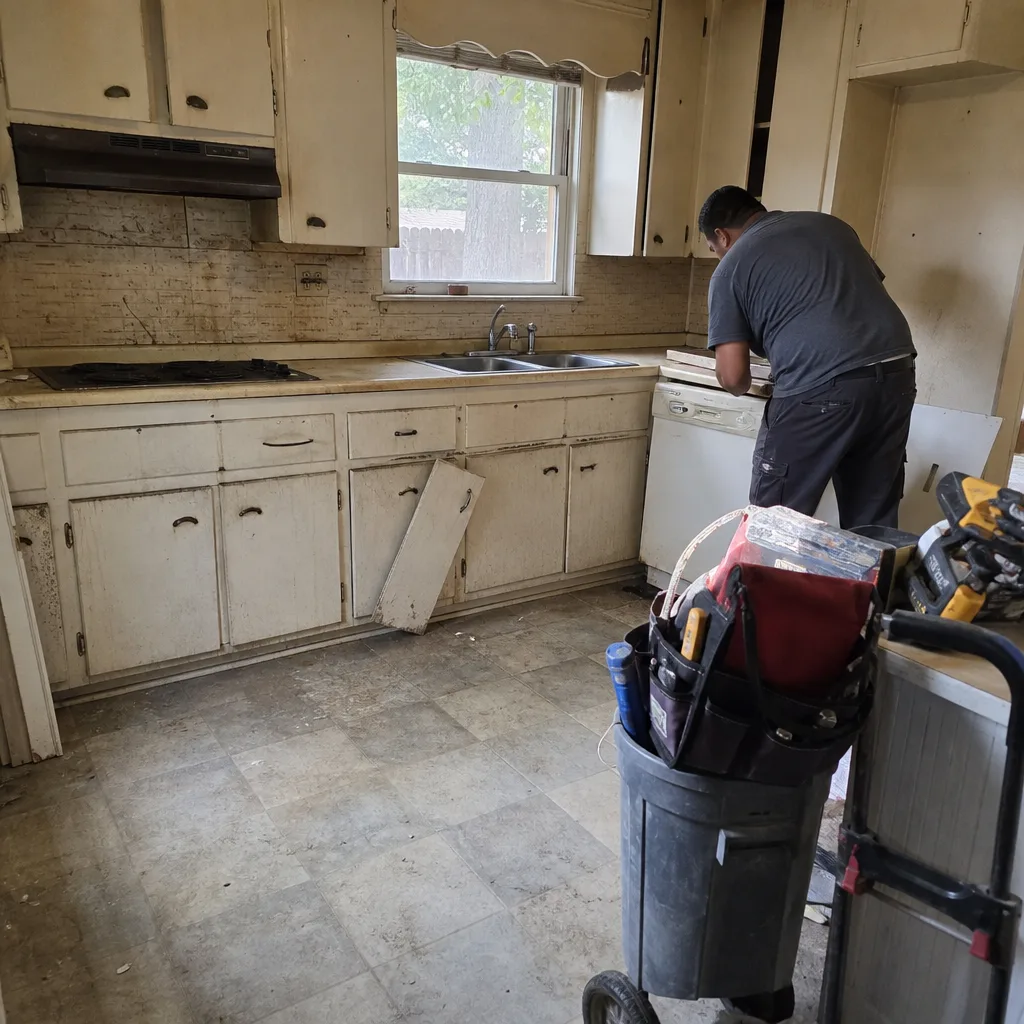 Before
 After
 Before
 After
 Before
 After
When to Call a Professional
Some driveway maintenance is genuinely a homeowner job: sweeping, inspecting, cleaning gutters, sealing a hairline crack. Others aren’t worth the risk. Pull up pavers to diagnose a heave larger than 6 feet, cut and re-pour a cracked concrete slab section, or level a driveway with significant clay movement, and you’re likely to spend more fixing a DIY attempt than hiring it done right the first time. The safety issue is real too: lifting and re-setting pavers requires moving heavy material and using a plate compactor, and cutting a slab section involves a walk-behind saw. Both are worth hiring out.
Groundwork Construction Co. of Dallas offers free estimates in Dallas for driveway evaluation, paver re-sanding, re-sealing, and full driveway replacement. Our technicians have up to 12 years of experience, and every job is covered by our 730-Day Done Right Promise: if it’s not done right, we make it right. Calls are answered by a live person around the clock. Call (844) 797-4808 to schedule a free estimate.
Frequently Asked Questions
Every 12 to 18 months in Dallas, not the three-to-five years most sealer labels suggest. Our UV load and summer heat break down sealant much faster than northern climates. Re-seal in April or May, before summer heat, and skip it entirely if there are any signs of subbase heave under the pavers.
Yes, if you stay at or below 2,500 PSI with a 25° or 40° fan tip and keep the tip 12 to 18 inches from the surface. Never use a turbo tip, and never wash a paver driveway in July or August when surface temperatures are highest. The bigger risk in Dallas isn’t the pressure itself: it’s pushing limestone slurry into the joints, so work from the garage toward the street and rinse as you go.
Clay soil expands when wet and shrinks when dry. Dallas has some of the most active expansive clay in the country, so after a heavy rain event the base under pavers can swell unevenly. Walk the driveway barefoot about 10 to 14 days after a rain and use a 6-foot straight edge to check for plane changes. Any dip or rise of more than 3/16 inch is worth a pro evaluation.
A polyurethane-based crack sealant rated for roughly -20°F to 120°F. Standard cold-weather sealants stay too soft in Dallas summer heat and track into the garage. Hot-weather sealants get brittle and re-crack at our occasional 20°F winter nights. The wide-range polyurethanes are the only ones that survive both ends of the DFW swing.
Yes. A full re-sand every 18 to 24 months, plus a spot re-sand every spring in the joints that have washed out over winter. The Dallas heat, clay movement, and spring rains all work against polymeric sand faster than in milder climates, so joint maintenance is a yearly line item, not a once-a-decade one.
Hairline crack sealing typically runs $150 to $400 for a full-driveway pass. Re-sanding paver joints runs roughly $1.50 to $3.50 per square foot, and re-sealing runs $1.25 to $2.50 per square foot. Full subbase correction on a heaved driveway can reach $12 to $25 per square foot. Final pricing depends on driveway size, paver type, and how much base correction is needed. Call (844) 797-4808 for an exact quote. Estimates are free and the pricing is upfront: the number you see is the number you pay.
The Bottom Line
Dallas doesn’t destroy driveways with bad weather. It wears them down with the constant back-and-forth between wet clay, dry clay, hot sun, and hard freezes. That pattern is manageable if you know when to look. Inspect in March, April, September, and after every hard freeze below 28°F. Re-sand and re-seal every spring, not every three to five years. Watch limestone dust and use low-pressure washing. Catch heave before it spreads. Do that and a properly built driveway in Dallas will outlast one that gets none of it by a wide margin. When the fix is beyond the homeowner level, we’re here. From foundation to finish line, and built to last, backed in writing.
Groundwork Construction Co. of Dallas is the full-scope home construction partner for Dallas homeowners who want straight answers and real accountability. We connect homeowners with independent local professionals who perform the work, backed by our 730-Day Done Right Promise, upfront pricing, no-hassle estimates, and 0% financing for 18 months. Ready to get your driveway assessed or to plan your next project? Call (844) 797-4808 to schedule your free estimate, or start at our Groundwork Construction Co. of Dallas home page to see the full range of what we do.
Written by the team at Groundwork Construction Co. of Dallas.