
Last updated November 17, 2026
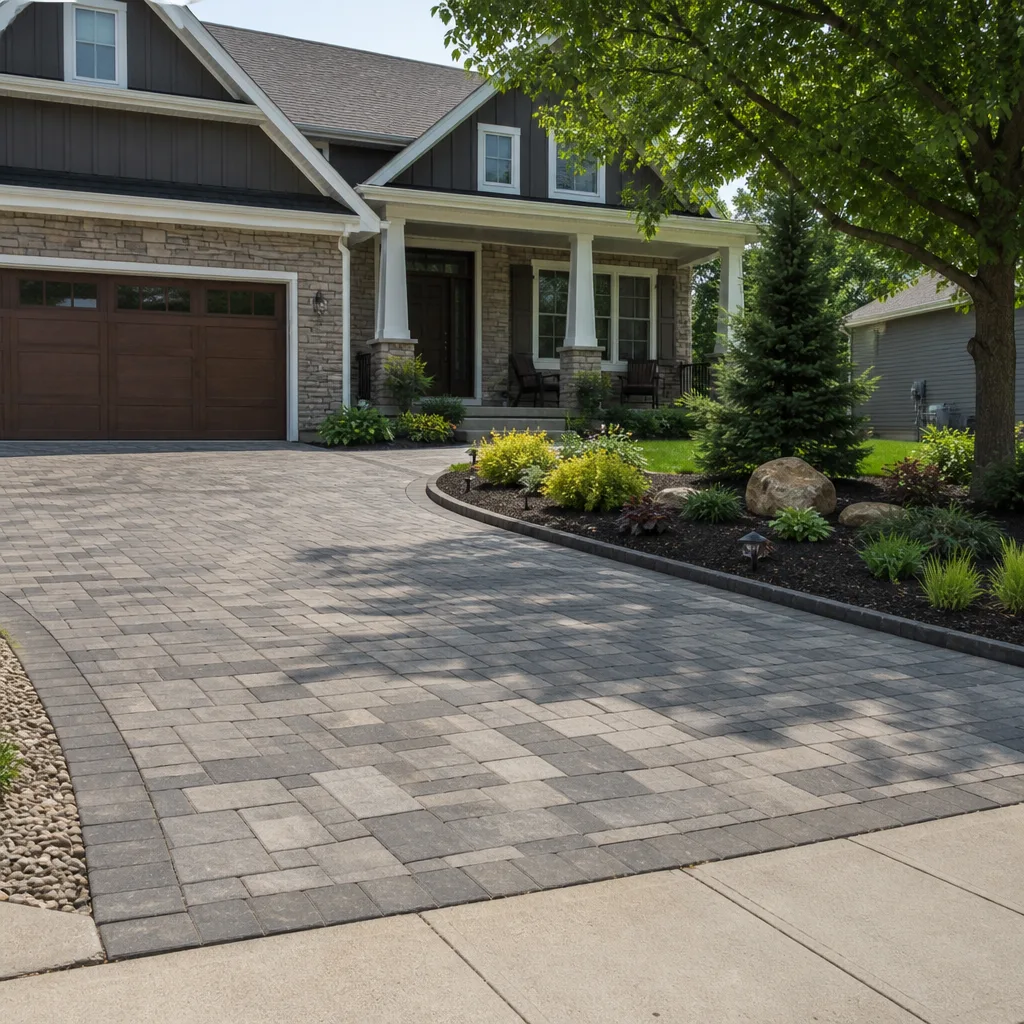 Driveway & pavers
 Kitchen remodeling
 Bathroom remodeling
 Home additions & ADU
 Roofing
 Windows & doors
 Fence
Free written scope consultation - allowances, timeline, and change-order rules on paper before a single trade is scheduled
Driveway & Pavers Warning Signs Every Homeowner Should Know
A single sunken paver section the size of a welcome mat is your driveway telling you there’s a drainage problem underneath. Ignore it through one Texas rainy season and that section becomes a 200-square-foot base failure. We’ve walked Dallas driveways where a homeowner pointed at what they thought was “just a little dip” that turned out to be a collapsing subbase two feet down. Warning signs show up months before they turn into real money, but only if you know what you’re looking at. This guide translates the five visible signs into plain language, shows you how the summer heat makes them appear suddenly, and gives you a spring inspection walk you can do in twenty minutes.
Quick Answer
The five driveway paver warning signs to watch for, ranked by urgency, are: joint sand loss, edge migration, localized sinking, surface cracking, and white efflorescence staining. Sand loss and efflorescence are usually cosmetic and cheap to fix. Edge migration, sinking, and structural cracking point to base failure underneath and will get worse, not better. In Dallas, summer heat expands and contracts the base, so damage that has been developing for months often appears all at once in July or August.
Styles & brands we work with
- Kitchen remodeling
- Bathroom remodeling
- Home additions & ADU
- Roofing
- Windows & doors
- Driveway & pavers
- Fence
Table of Contents
- The Five Warning Signs, Ranked by Urgency
- Cosmetic vs. Structural: How to Tell Using a Garden Hose
- Why Dallas Summer Heat Makes Damage Appear Overnight
- The Spring Inspection Walk: A Printable Checklist Framework
- When a Warning Sign Voids Your Warranty (and How to Document It)
- What Repair and Replacement Cost in Dallas
- Material Choices That Age Well in North Texas
- Prevention: Sealing, Sand, and Drainage
The Five Warning Signs, Ranked by Urgency
Not every warning sign means the same thing. We rank them by how much damage they signal and how fast that damage escalates. Read top to bottom if you want the short version: the first two are usually cosmetic; the last three are structural and get worse.
1. Joint Sand Loss (Low to Moderate Urgency)
Polymeric sand fills the gap between pavers and locks the field together. When that sand washes out, the pavers start to shift independently, and weeds find the gap. Look for channels between the pavers where rainwater has cut a groove, or visible loose grains after a heavy rain. On a Dallas driveway, this is common along the low side where water pools and runs off. Re-sanding is an easy fix and a good spring habit. Ignoring it for a couple of seasons lets the pavers move, and moving pavers become cracked pavers.
2. White Efflorescence Staining (Low Urgency)
That chalky white haze on paver faces is efflorescence, mineral salts carried up through the concrete paver by moisture and left behind when the water evaporates. It’s cosmetic. It looks alarming and it means nothing about structural integrity. A specialty efflorescence cleaner removes it in an afternoon. Pair the cleaning with a penetrating sealer and it stays away longer.
3. Edge Migration (High Urgency)
Walk to the outside edge of your driveway where it meets grass or a garden bed. If the pavers along that edge have splayed outward or dropped out of line, the edge restraint has failed. Edge restraint is what holds the whole field in compression. Once it gives, pavers creep outward, joints open, and the surface starts to unravel from the perimeter inward. This is a repair, not a cleaning. It often shows up on Dallas driveways that were installed without a properly pinned edge.
4. Localized Sinking (High Urgency)
Sinking is the single most reliable sign of base failure. A section drops because the compacted gravel base underneath has settled, washed out, or never had enough depth to begin. A dip the size of a dinner plate can mean a soft spot that has already spread two feet in every direction. Left alone, sinking spreads. That welcome-mat-sized dip becomes a repair where the entire affected area gets pulled up and the base gets rebuilt.
5. Surface Cracking (Highest Urgency)
Cracks in the pavers themselves tell you the base is moving under load. Look for cracks that run in a line across several pavers, or cracks with jagged, mismatched edges (the paver has shifted). One isolated crack in a corner is often a bad paver. A pattern of cracks means the base is failing, and if the base fails under a vehicle, it can fail completely. This is the sign that calls for an on-site evaluation before the next rainy season.
Cosmetic vs. Structural: How to Tell Using a Garden Hose
You don’t need a moisture meter or a core sample to make the first call. You need a hose, twenty minutes, and a willingness to look at your own driveway honestly. Set the hose to a slow trickle, and work through these steps.
- Flood a low spot and watch it. Fill a sunken section with water. If the water sits longer than a few minutes before draining, drainage is blocked or the base is holding moisture. If the water disappears into the joints instantly, you have open joints running all the way down, and the base is getting saturated.
- Look for the flow path. In Dallas, most localized sinking happens at the point where runoff exits the driveway and hits the yard. If the water runs toward a spot that doesn’t have a swale or drainage channel, that spot is your weak point.
- Test the give underfoot. Walk the entire surface in a grid pattern, pressing your heel into each paver. A paver that rocks or compresses is sitting on a void. A paver that clunks solid is fine.
- Compare the high side to the low side. A driveway that slopes away from a structure is correct. A driveway that has tilted toward it is a problem, and the sink point is usually where water pools against the slab or foundation.
If the water flows away, the pavers are firm, and the joints are filled, you have cosmetic issues at worst. If any of these tests fail, you have a structural issue.
This is the same logic we use before we write any quote for Driveway & Pavers in Dallas: confirm the base is sound, then price the fix. A paver repair and a paver replacement are two very different numbers, and the difference almost always comes from the base, not the top.
Why Dallas Summer Heat Makes Damage Appear Overnight
Dallas summers push the ground temperature at the surface past 120°F. Clay-rich North Texas soil expands when it holds moisture and shrinks when it dries. When the soil moves, the compacted gravel base sitting on top of it moves too. All summer long, that base is under stress that the surface gives no sign of. Then a wet-cool front rolls through in September and shifts the moving pieces just enough to expose a joint that was one grain of sand from failing.
This is why our crews regularly hear “it was fine last week” on driveways we can see have been quietly failing for months. The homeowner wasn’t wrong. The problem was hidden, and the heat did the showing.
Two specific Dallas behaviors follow from that:
- Heat magnifies joint sand loss. The polymeric sand hardens in cool weather and becomes brittle at the hottest times of year, so a driveway that held its joints through spring can shed them in July.
- Pooling on the low edge matters more here. When it finally rains, the water finds every gap that heated into existence, and the sink spreads faster in regions with heavy clay soil.
The practical takeaway: stop expecting warning signs to arrive gradually. In Dallas, the failure develops silently, and the visible sign arrives as a jump, not a slope. That makes a scheduled inspection more important than a reactive one.
The Spring Inspection Walk: A Printable Checklist Framework
The best time to inspect a driveway in Dallas is late March or April, before the spring rain belt settles in. The worst time is August, when you’ll see the symptoms without the cause. Give it twenty minutes once a year and you’ll catch the cheap fix before it’s the expensive one. Here’s the framework we walk.
Section 1: The Field (the middle of the driveway)
- Walk a grid pattern heel to ball of foot. Note any spot that rocks or dips below the plane of the surrounding pavers.
- Sweep the whole surface and look for loose sand between joints. Rate the joint fill as full, partial, or open.
- Take a photo of any crack, with a tape measure across the span if it’s longer than a hand.
Section 2: The Edges (the perimeter)
- Walk the outer edge where pavers meet grass, concrete, or a planter. Look for pavers sitting proud of the line, or an edge that has splayed outward.
- Check the transition at the apron where the driveway meets the street. This is where edge failure usually starts.
- Check for erosion of soil or gravel from under any edge restraint, since that is the same failure point in disguise.
Section 3: The Drainage Points
- Find every low point and check that water has a path off the driveway before it can pool.
- Hose-test each low point once during the walk and note how long the water sits.
- Look for a visible flow line (a faint channel of darker staining) where runoff has been cutting across the joints.
Section 4: The Surface Finish
- Scan for white chalky haze on both faces and edges. Note whether it has returned since last year’s cleaning.
- Check for cracks in a line, not just isolated ones.
- Note any paver that is noticeably darker than its neighbors, which can indicate moisture retained underneath.
Document each section with dated photos. The photos become the record you’ll need if a warranty claim is ever in play. This matters if your driveway is tied into a project that’s covered by the Groundwork Construction Co. of Dallas home portfolio, where the same documentation approach protects you on any exterior work.
When a Warning Sign Voids Your Warranty (and How to Document It)
Here’s a detail most homeowners don’t hear until after a claim is denied: a workmanship warranty only covers failures it can verify weren’t made worse by neglect. That means the difference between “the base failed” and “the base failed and the homeowner ignored the resulting crack for a year” can be the difference between a covered repair and a paid one.
We’ll be straight about how this works. A workmanship guarantee – like our 730-Day Done Right Promise, which makes it right for two full years if the work wasn’t done correctly – is built on the premise that the contractor’s work is the cause of the failure. If the record shows the warning sign appeared and the homeowner let it develop into a full structural failure, a builder can argue that the outcome was caused by inaction, not craft. Some warranties have words specifically about this.
Documentation is how you protect yourself, and it takes three steps:
- Date the discovery. A photo with a timestamp on the day you first see the warning sign.
- Record the whole context, not just the close-up. One wide shot of the section and one close-up of the defect, from the same angle. Judges, adjusters, and warranty managers need the context to rule on cause.
- Report it in writing. A short email to your contractor, with the photos attached, saying “I noticed this on [date],” is worth more than a phone call. Keep it.
What voids coverage in practice: extending the problem yourself, patching a sunken section with bagged concrete, pressure-washing the joints out, or letting a documented defect reach the two-year mark without a documented repair. The warranty isn’t a trap. It’s just a record, and you have to make the record.
What Repair and Replacement Cost in Dallas
No two driveways price the same, but the ranges below give you a realistic planning number for the Dallas market. Use them to spot an outlier bid, not as a substitute for an on-site quote.
- Re-sand and re-seal the full driveway: $400 – $900 depending on square footage and whether joint repair is needed.
- Efflorescence cleaning: $150 – $350 for a typical two-car driveway.
- Localized repair (lift, rebuild base, reset pavers): $600 – $1,600 for a section up to about 100 square feet, more if the base needs full replacement.
- Full driveway replacement with new base and pavers: $6,000 – $14,000 for a two-car driveway, depending on paver selection and base depth.
- Edge restraint repair or replacement: $300 – $800 for the affected run.
The pattern to internalize: the fix costs a tenth of the replacement when you catch it early, and about a third of the replacement when you catch it late. The warning signs are the clock. The reader who calls with a dip and the reader who calls with a hundred-foot split are not paying for the same job.
If the paver section is part of a larger exterior project, ask whether the work should be sequenced with a larger build. Groundwork pairs exterior work on the same schedule as Home Additions & ADU in Dallas, so the driveway, walkway, and drainage are designed as one system instead of three separate quotes.
Material Choices That Age Well in North Texas
The pavers themselves matter less than the base, but they are not irrelevant. The pavers that hold up best in Dallas are the ones with the lowest water absorption and the tightest dimensional tolerance. That means high-density concrete pavers or natural stone in a frost-rated grade, installed with at least a 4-inch compacted base and a proper edge restraint.
Our approach with driveways is the same as with roofs and windows: use brands with a real track record. Belgard pavers are the ones we specify most often for Dallas driveways because the dimensional consistency makes for tighter joints, and tighter joints hold sand longer. In the roofing side of the business, we lean on GAF, Owens Corning, and CertainTeed for the same reason: materials with predictable performance. The material brand that’s easiest to get shouldn’t be the only reason to pick it.
Two Dallas-specific notes. First, light-colored pavers run up to 20°F cooler at the surface than dark stone, which matters when a driveway borders a patio where people walk barefoot. Second, the color and finish choices in a real showroom matter when you’re choosing between a paver that will patina and one that will hold its color for a decade. It’s worth the trip to see the finish, not just the sample swatch.
Prevention: Sealing, Sand, and Drainage
Prevention isn’t a single product. It’s a maintenance rhythm that follows the Dallas seasons, and most of it costs less than the repair it prevents.
- Spring: Re-sand joints with polymeric sand, then apply a penetrating sealer. This is the one appointment that pays for itself.
- Summer: Visual scan after the first big rain. Note any new dip or joint loss that wasn’t there in the spring walk.
- Fall: Clear debris from the drainage points and the edge line, and re-check the transition at the street apron.
- Winter: Keep de-icing salt off the surface, or rinse it off. Salt can attack the paver surface and accelerate failure at the joints.
Do those four things and you’ll catch most warning signs at the “cheap fix” stage. Skip them and the driveway becomes the next item on the punch list.
One more prevention note: if the driveway borders a fence line, the same drainage issue can undermine the posts. That’s a reason to treat the fence as part of the same exterior system, which is why we quote fence work alongside the driveway so both get the same base and drainage attention. If your driveway warning signs are coming from a fence-adjacent section, the guide to Fence Installation in Dallas is a good companion read.
Common Mistakes to Avoid
- Mistaking water in the joints for a full sand fill. Clear water in a joint doesn’t mean the joint is filled; it means it’s empty down to the base. Clear water is the warning, not the reassurance.
- Patching a sunken section with bagged concrete. It looks fixed for a season, but you’ve made the base at that spot inaccessible for a real repair, which makes the eventual fix cost more.
- Waiting out the unseasonal cool spell. In Dallas, a “little dip” that appears in October often means a full season of hidden failure; waiting until spring to call usually raises the price.
- Ignoring edge restraint because it’s “just the edge.” Edge migration is the leading cause of perimeter unraveling, and it’s one of the cheapest things to fix early.
- Pressure-washing the joints out. A high-pressure wand on the paver field strips sand fast and is one of the most common self-inflicted failures we see on Dallas properties.
- Skipping the photo record. “I noticed it in the spring” backed by a dated photo is a completely different conversation than the same statement made with no proof.
- Hiring the low bid without a base spec. A driveway quote that doesn’t include base depth, compaction, and edge restraint detail is a price, not a plan. The warning signs you’re seeing now may be the previous installer’s work, not yours.
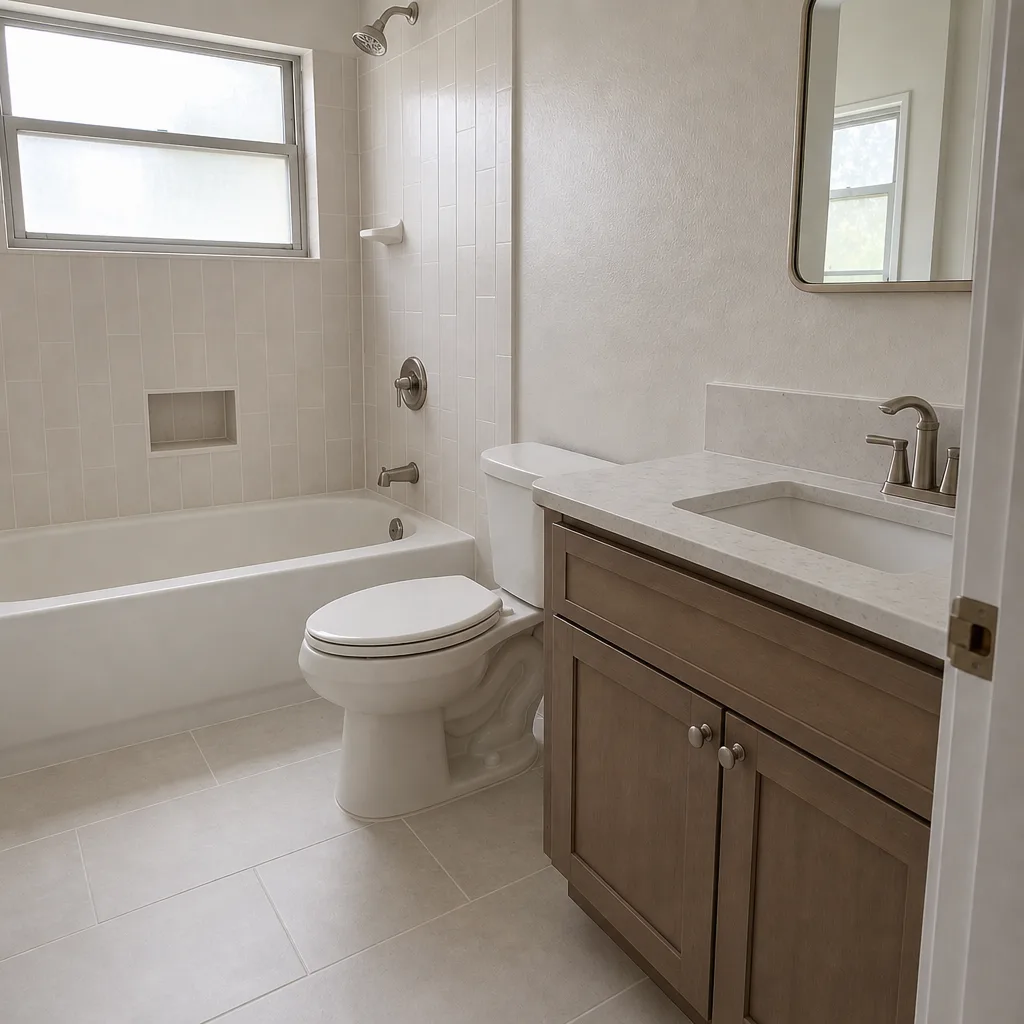
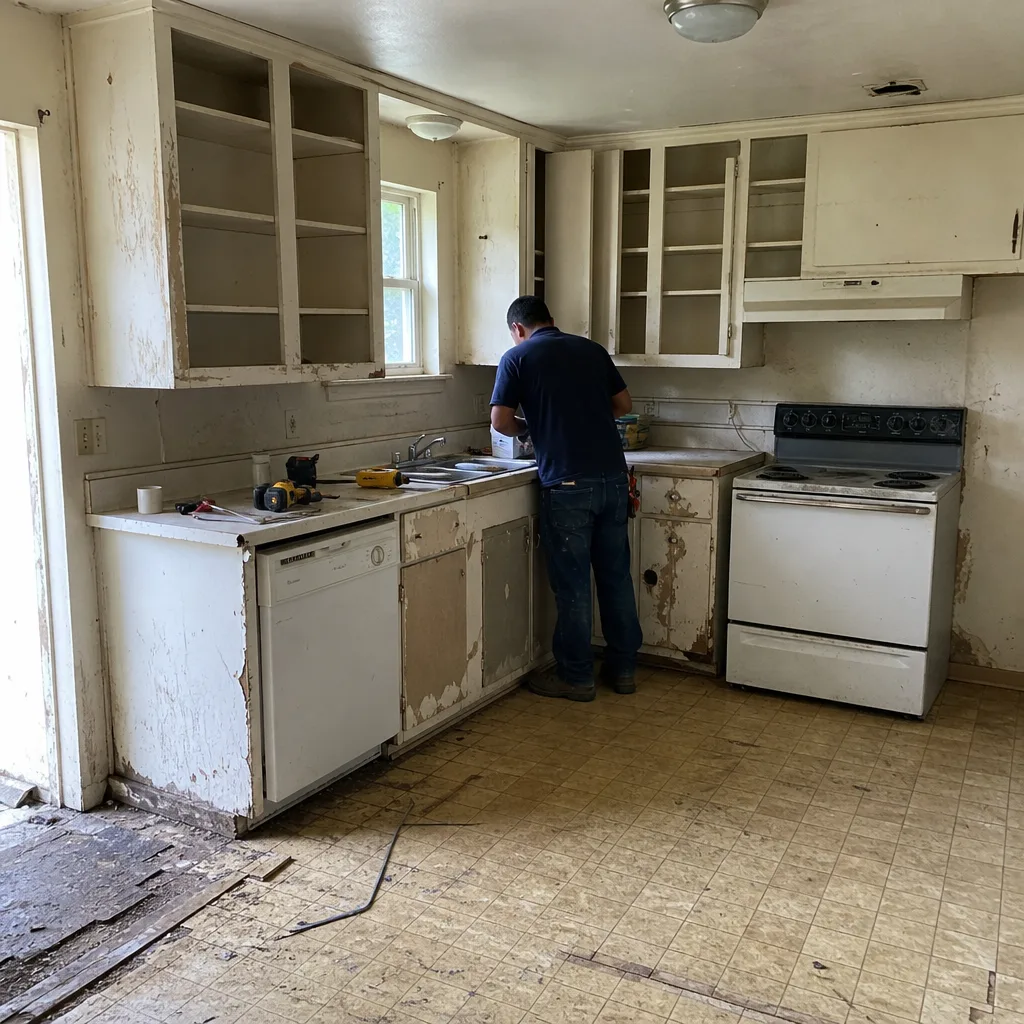
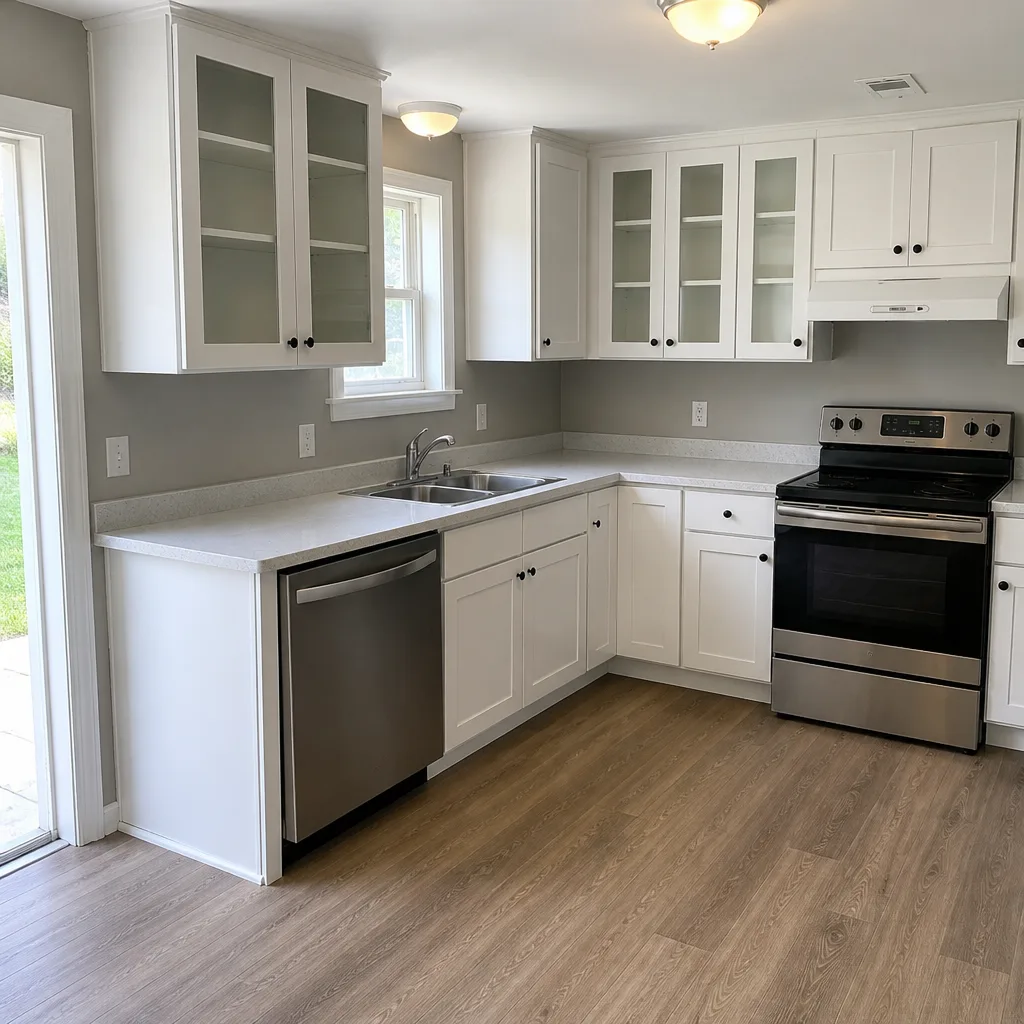
See the difference
 Before
 After
 Before
 After
 Before
 After
When to Call a Professional
Get an expert on-site evaluation when any of the following show up: a sunken section larger than a welcome mat, cracks that run across more than three pavers, edge migration along more than ten percent of the perimeter, or a low point that holds water for more than an hour after rain. In Dallas, a sinking section near the street apron is the most common reason homeowners need a professional, because the apron area has to be re-compacted correctly or the repair fails again within a season.
Groundwork Construction Co. of Dallas offers free estimates in Dallas and the surrounding metro. Our technicians have up to 12 years of experience, and we don’t quote a driveway repair without confirming the base. Call (844) 797-4808 for a free estimate. Calls are answered by a live person, 24/7, and every project comes with upfront pricing and our 730-Day Done Right Promise, so a repair that isn’t right is on us to fix.
Frequently Asked Questions
A pattern of cracks running across several pavers is the most urgent, because it means the base is moving under the load of a vehicle. A single crack in a corner paver is usually just a bad paver; a connected line of cracks is a base failure. Call (844) 797-4808 for an exact quote – estimates are free.
You can reset a single paver, but you can’t fix a sunken section reliably without rebuilding the base underneath it, and a base repair done without proper compaction will sink again within one Texas rainy season. What you can do yourself: re-sand the joints, clean efflorescence, and document the problem with dated photos. For the base itself, get a professional.
Localized repair typically runs $600 – $1,600 for a section up to about 100 square feet, depending on how much base has to be rebuilt. Full driveway replacement with a new base runs $6,000 – $14,000 for a two-car driveway. Call (844) 797-4808 for an exact quote – estimates are free.
Dallas summer heat expands the base under the pavers, and the following cool-weather contraction shifts the base just enough to expose a failure that was developing for months. The damage isn’t new. Summer just made it visible. That’s why a spring inspection catches the cheap repair before the visible failure shows up.
No. Efflorescence is mineral salt pushed to the surface by moisture, and it says nothing about the base or the structure. It cleans off with a specialty cleaner. The signs that matter are the structural ones: edge migration, sinking, and lined cracking.
Possibly not. A workmanship warranty generally covers failures caused by the work, and a documented defect that was left unaddressed can be argued as homeowner-caused. The fix is documentation: a dated photo when you first notice the sign, and a written report to the contractor. Our 730-Day Done Right Promise covers what we did, and if the work wasn’t done right we make it right; keeping the record protects your side of it.
The Bottom Line
Driveway pavers tell you they’re in trouble long before the trouble is expensive. The five signs, ranked: joint sand loss and efflorescence are usually cosmetic; edge migration, localized sinking, and lined cracking are structural. In Dallas, the signs often appear suddenly in the wake of a summer heat cycle, which means the underlying failure has been developing for months. Do a spring inspection, hose-test the low points, and photograph anything you find before you call anyone. If a warning sign is already at your door, the cheapest call is the one you make first. Groundwork Construction Co. of Dallas gives free estimates on driveway and paver work in Dallas, with upfront pricing and a 730-Day Done Right Promise behind the repair. Call (844) 797-4808 to schedule yours.
Written by the team at Groundwork Construction Co. of Dallas.