
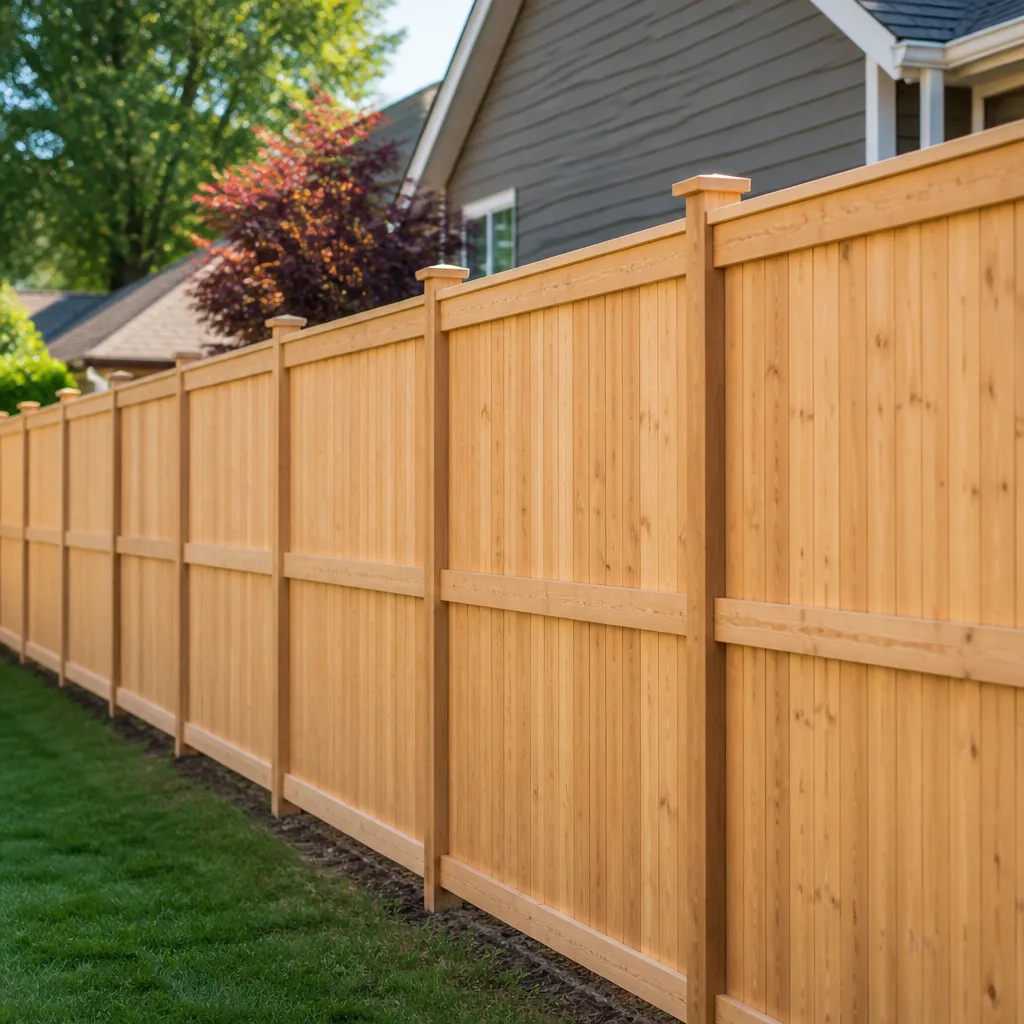
 Fence
 Kitchen remodeling
 Bathroom remodeling
 Home additions & ADU
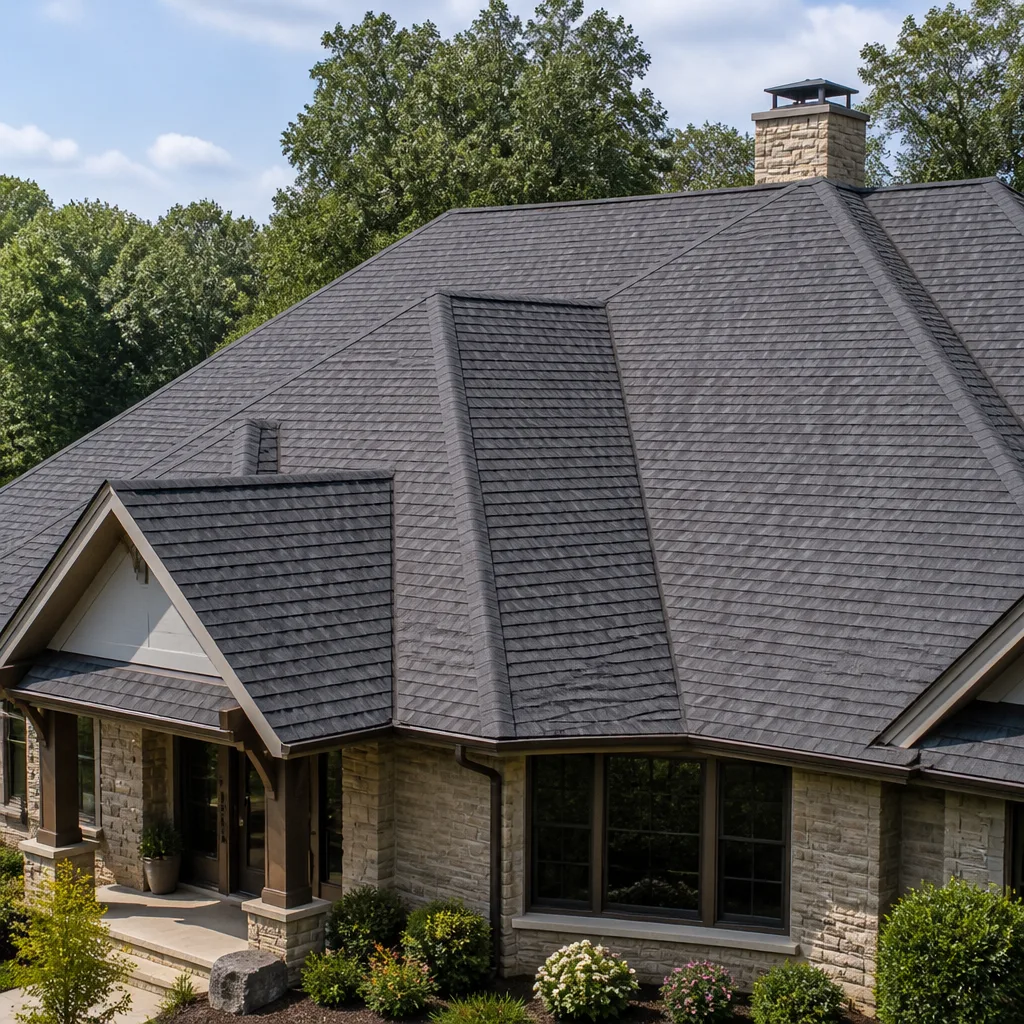 Roofing
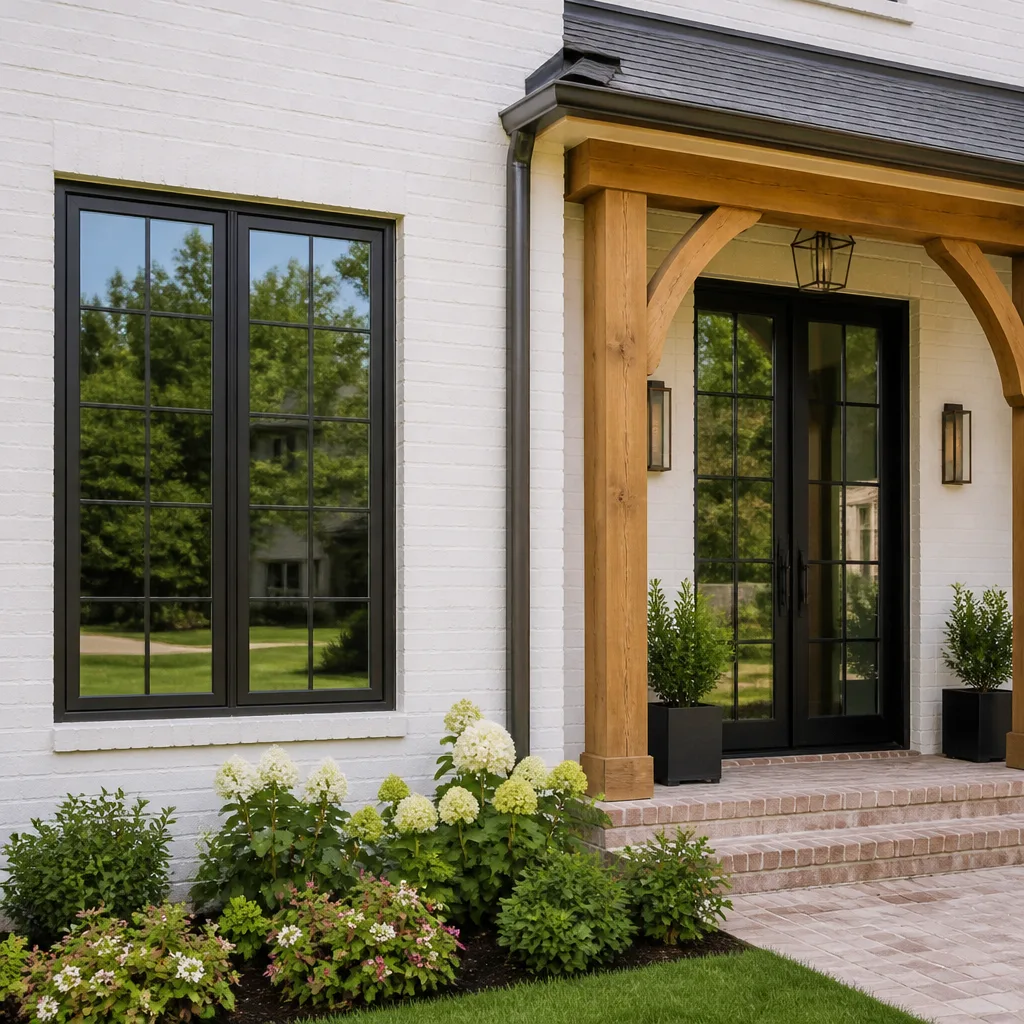 Windows & doors
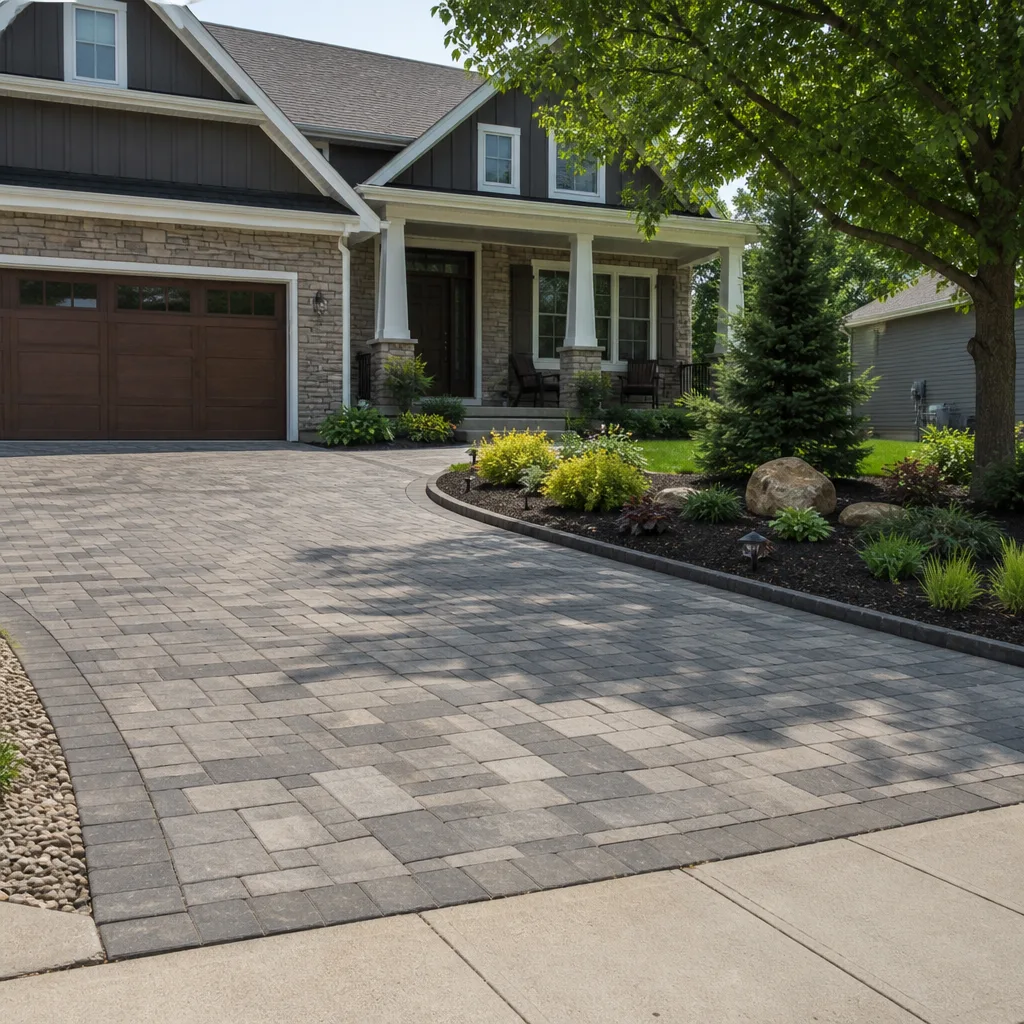 Driveway & pavers
Free written scope consultation - allowances, timeline, and change-order rules on paper before a single trade is scheduled
Styles & brands we work with
- Kitchen remodeling
- Bathroom remodeling
- Home additions & ADU
- Roofing
- Windows & doors
- Driveway & pavers
- Fence
See the difference
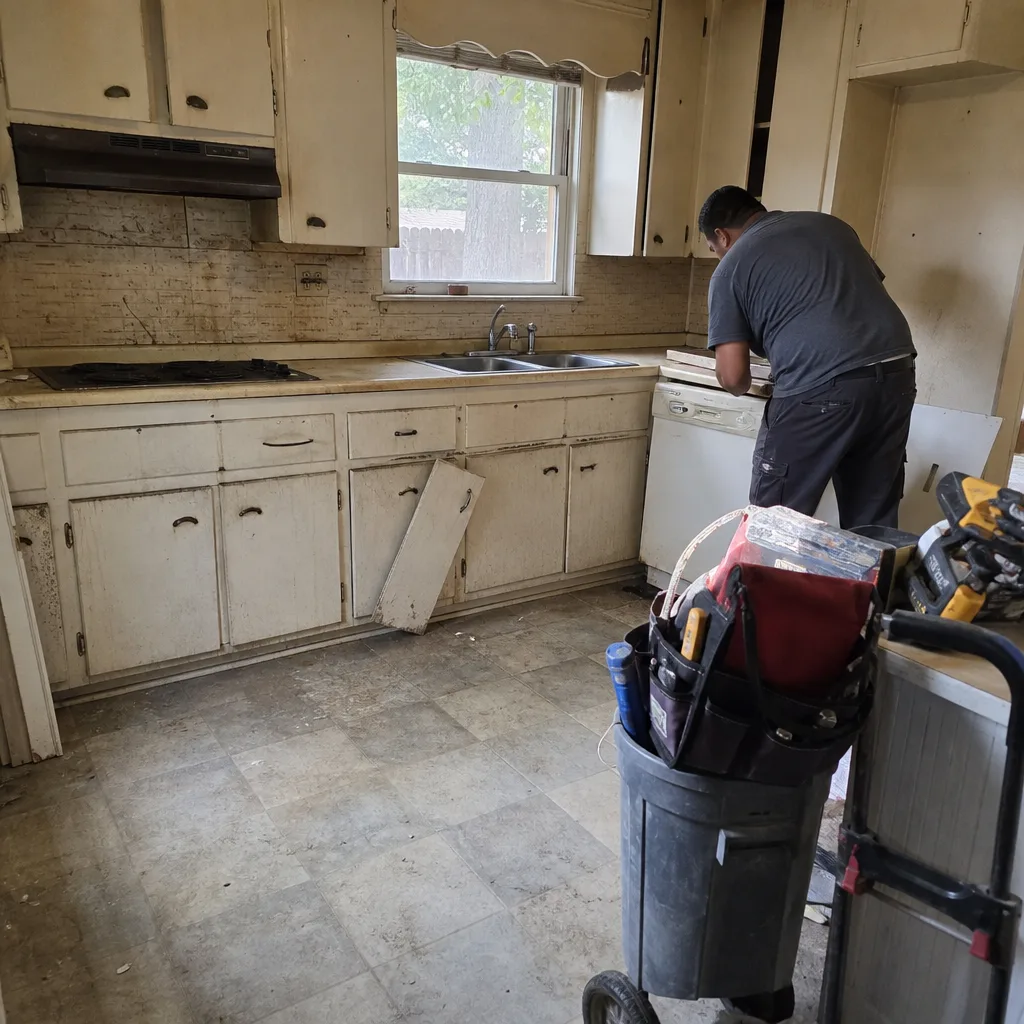 Before
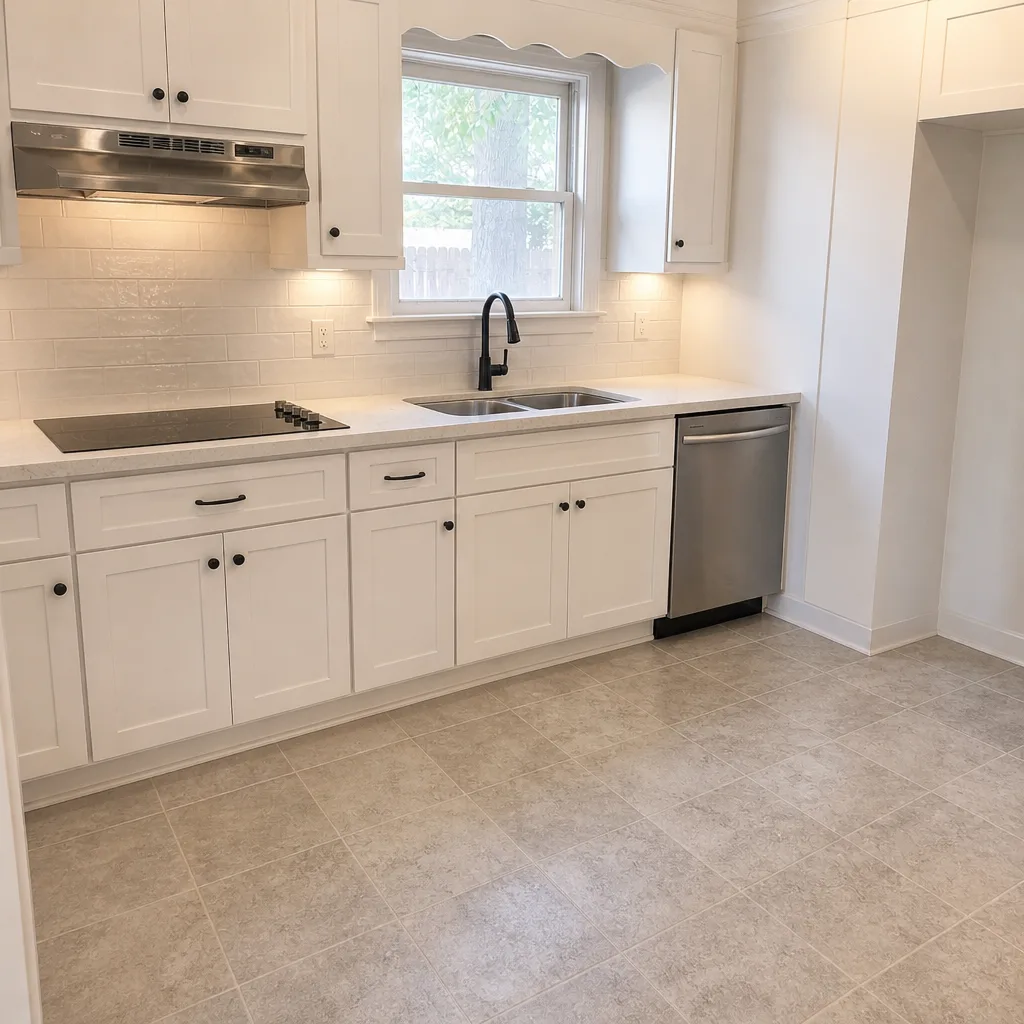 After
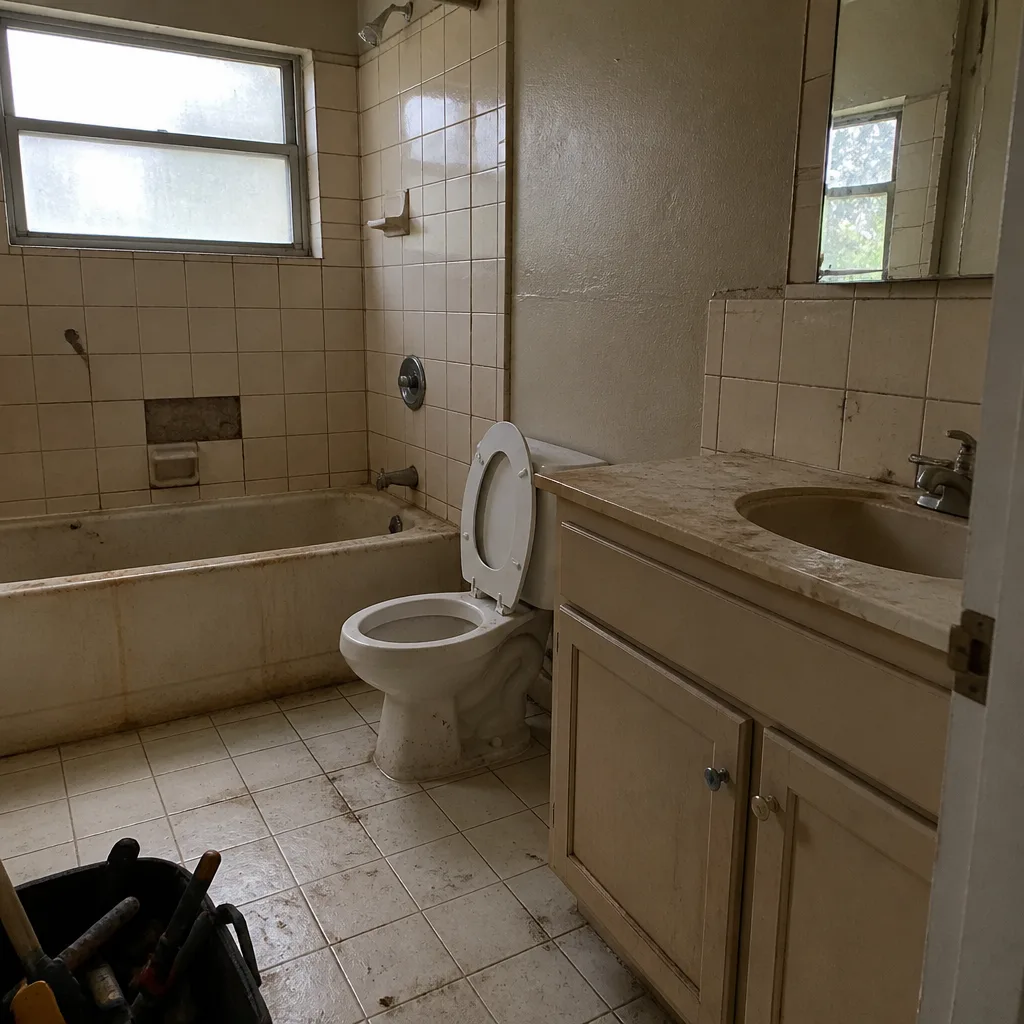 Before
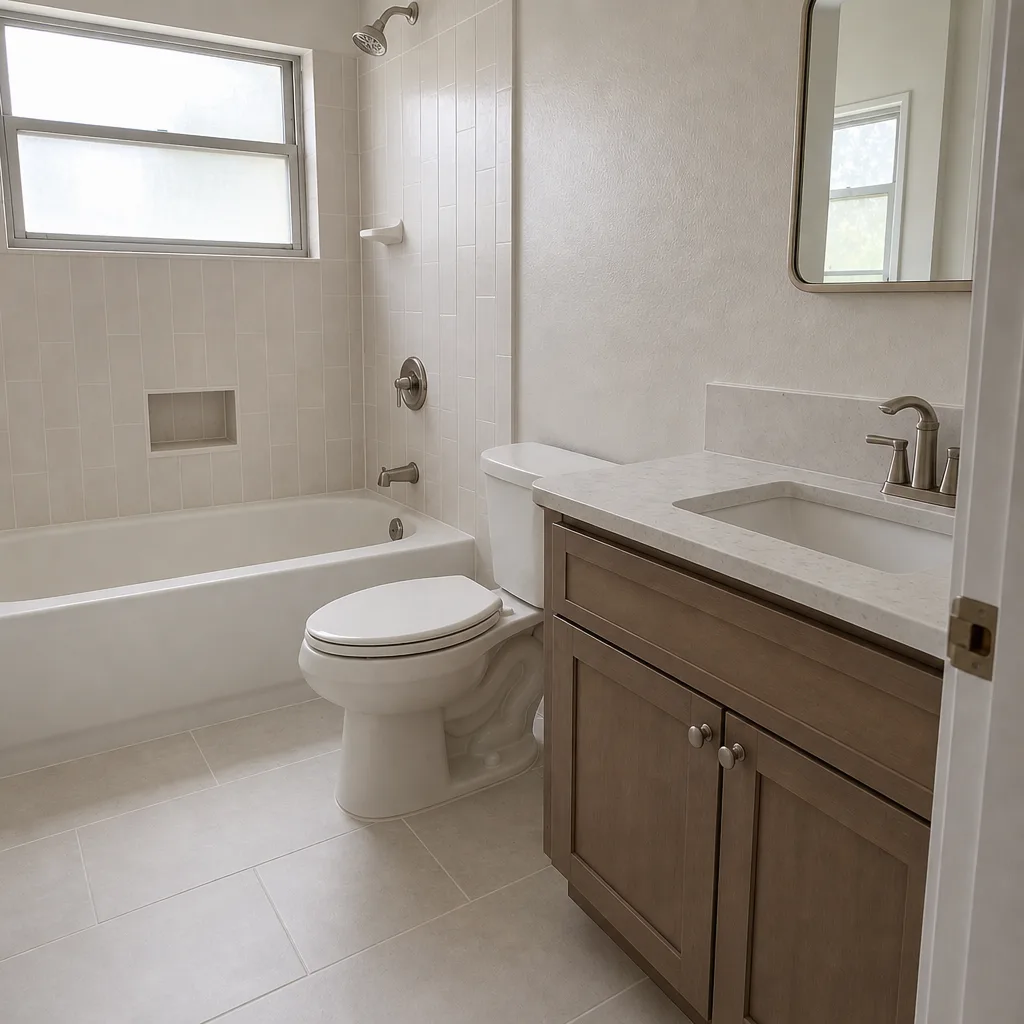 After
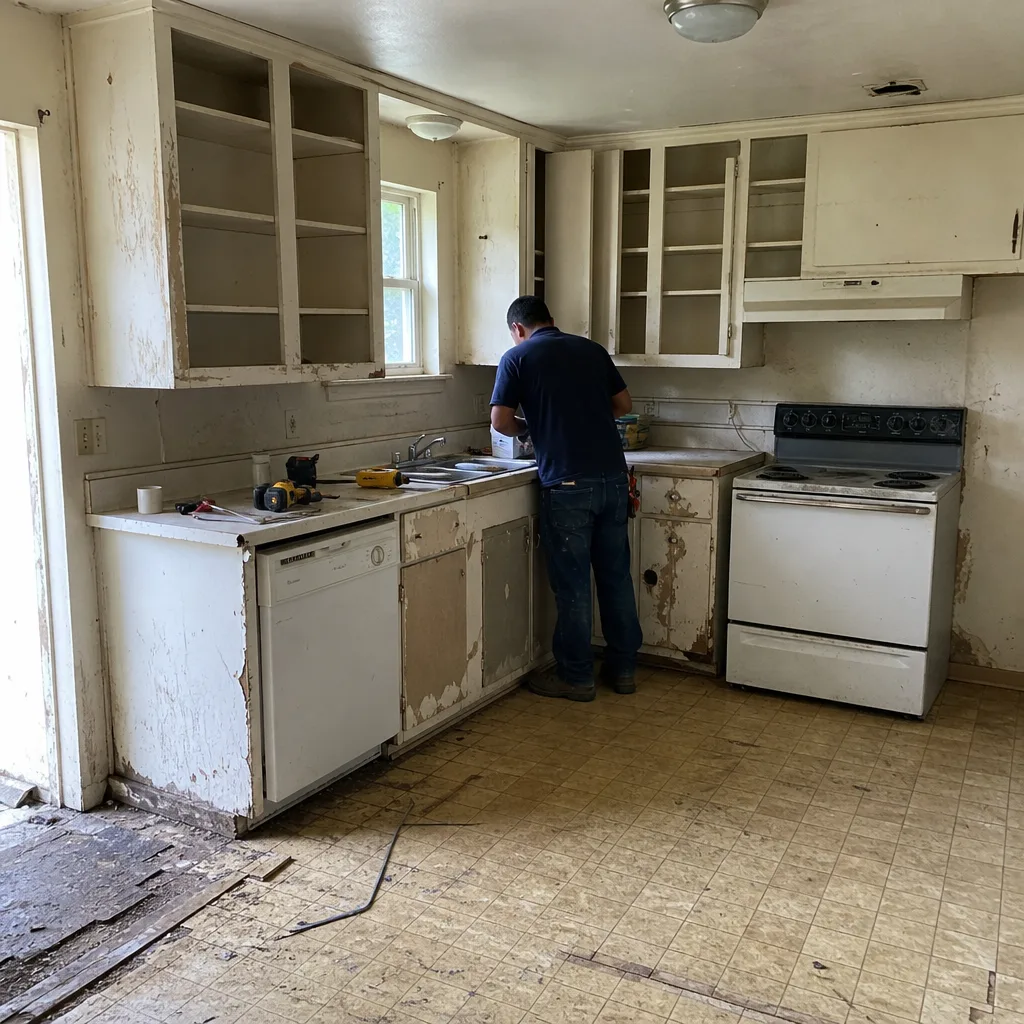 Before
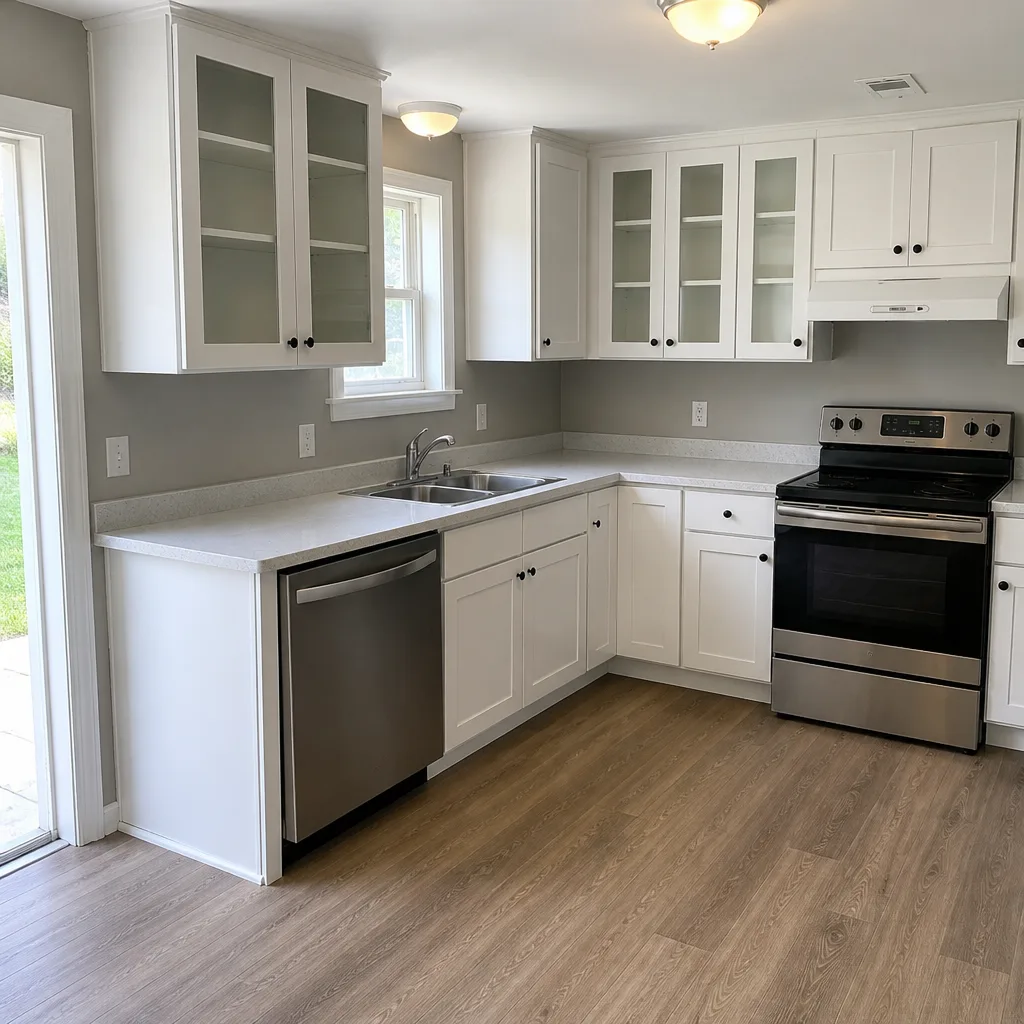 After
How to Fix a Leaning Fence Post in Dallas, TX
The fix depends on why the post moved: in Dallas, most leaning posts are pushed out of plumb by expansive clay soil, not wind or impact, and the correct repair is to excavate the post to 36-42 inches, re-plumb it, and pour a concrete collar that sheds water away from the base. Re-tamping or a quick-set bag alone won’t hold because the soil underneath keeps swelling and shrinking with every wet-dry cycle. If more than one post has shifted, or the post is cracked at the grade line, call Groundwork Construction Co. of Dallas at (844) 797-4808 for a free assessment.
Dallas sits in the middle of the Blackland Prairie, where the clay-heavy soil expands when wet and contracts when dry. That movement is hard on fences. It’s also why foundation work here leans on post-tension slabs and drilled piers in a way it doesn’t in the Hill Country to the south, and why a fence post set in this soil can heave sideways after a wet spring even when nothing touched it.
What’s Actually Causing the Lean? Diagnose Before You Dig
Most DIY guides skip the diagnostic step and jump straight to “re-set the post.” That’s the wrong order. Three different problems cause three different leans, and each takes a different repair.
1. Soil heave (the most common cause in Dallas)
The post base has pushed upward or sideways because the clay around it swelled. You’ll usually see the post leaning toward a low spot in the yard or toward the side that holds water. The wood itself may look fine. This is the clay signature, and it’s why Dallas fences along the older slab-on-grade tracts in East Dallas and Oak Cliff tend to lean more than fences in newer sandier subdivisions.
2. Wind uplift (less common in clay)
The post has been pulled partly out of its base by a straight-line wind or spring storm. You’ll see a gap or crack where the post meets the concrete, and the lean often appears overnight after a weather event. Dallas’s high-wind-zone code reality means fences here should be built for uplift from the start, but plenty weren’t.
3. Surface rot (wood fences only)
The post failed at the grade line, where moisture sits and the wood can’t dry. Push on the post near the ground: if it’s spongy, cracked, or you can dig a screwdriver into it, the post is gone and no re-set will save it. Replacement is the only real fix.
Here’s the quick comparison:
- Soil heave: lean toward the wet side, wood intact, base pushed up or sideways. Fix is re-excavation and drainage.
- Wind uplift: lean appeared after a storm, gap at the base, post pulled out of concrete. Fix is re-set with proper depth.
- Surface rot: spongy wood at grade, crumbling base, post snapped or bent low. Fix is replacement.
Why the “Quick-Set Bag” Fix Fails in Dallas Clay
Nearly every DIY article ends with “pour a bag of quick-set around the post and call it done.” In Blackland Prairie clay, that’s a short-term patch, not a repair. A quick-set bag without proper depth and drainage just becomes a small concrete block surrounded by soil that keeps moving. The block and post ride the same swell-and-shrink cycle that caused the lean in the first place, and you’re back to a leaning post within about 18 months.
Depth matters as much as the mix. A post set 18-24 inches deep has nothing anchoring it against clay heave. The repair that actually holds in Dallas soil goes down 36-42 inches.
The Dallas-Correct Repair Method for a Clay-Heaved Post
When the problem is soil movement, the fix has to interrupt the wet-dry cycle around the post, not just straighten the wood. Here’s what a proper repair looks like:
- Expose the post to full depth. Dig to the bottom of the existing concrete footing, 36-42 inches. A shallow poke-around at 12 inches won’t reveal the true cause.
- Re-plumb and brace. Straighten the post against a braced reference line so the new concrete cures true, not at an angle.
- Pour a concrete collar sitting 2 inches above grade. The collar should slope away from the post on all sides so water sheds off the base rather than pooling against it.
- Add a gravel drainage layer at the base. Crushed gravel below the collar gives water a path away from the wood and interrupts the wet-dry cycle that drives heave.
This is the repair that holds in Dallas. It takes more digging and more concrete than a quick-set bag, and for many homeowners that’s the point at which a pro makes more sense than a weekend of shoveling.
What Does Leaning Fence Post Repair Cost in Dallas?
Single-post repair in Dallas typically runs $350-$900 depending on depth, access, and whether the post needs replacing. When several posts have shifted and the fence line needs re-engineering, expect a full repair and re-set at $3,500-$9,000.
| Repair scope | Typical Dallas range |
|---|---|
| Single post re-set with concrete collar and drainage | $350-$900 |
| Two to four posts re-set or replaced | $900-$2,400 |
| Multiple-post repair with line re-plumbing and cross-bracing | $3,500-$9,000 |
| Vinyl fence replacement (was the post damage too far gone) | $3,500-$9,000 |
Upfront pricing at Groundwork Construction Co. of Dallas means the number you see is the number you pay. There’s a free project estimate and design consult, plus $1,000 off projects over $10,000 and 0% financing for 18 months on qualifying work. For repair work, our technicians have up to 12 years of experience, and every project is backed by the 730-Day Done Right Promise: if it’s not done right, we make it right.
When a Leaning Post Means the Whole Fence Line Needs Work
One leaning post is a post problem. Three or more consecutive posts that have shifted in the same direction is a fence-line problem, and that changes the scope. When the whole run has moved, the existing cross-bracing may be inadequate for the DFW wind uplift the fence actually faces, and re-straightening individual posts just delays the same failure. The right repair adds cross-bracing re-engineered for this climate and checks foundation depth against the Dallas clay the fence sits on.
That’s the point where a trained eye pays for itself. If you’re weighing individual vs. line repair, our Fence Installation team can look at the whole run and tell you which side of that line you’re on. You can also read more about our Fence Installation in Dallas work for the full scope.
FAQs
No. Re-tamping a post in Dallas clay straightens it temporarily but leaves the soil-movement cause untouched, so it leans again within a season or two. You need to address depth and drainage at the base. If a post keeps leaning after one re-tamp, call (844) 797-4808 for an assessment.
36-42 inches is the working depth for a post in Blackland Prairie clay, with a concrete collar sloped to shed water and a gravel layer at the base. Shallower posts lack the anchoring to resist heave and uplift. Depth is where most DIY fixes fall short.
Repair is almost always cheaper when the wood is sound and only one or two posts have moved. A single post re-set runs $350-$900 in Dallas, while a full vinyl fence replacement runs $3,500-$9,000. If three or more posts lean together, get the line evaluated before choosing. Call (844) 797-4808 for an exact quote, estimates are free.
Often, yes, for a single post with sound wood and clear access. Storms that knock several posts out of line or damage a long run may need a scheduled visit. Our line is answered by a live person 24/7, so a post leaning Monday morning before work gets a real conversation, not a voicemail.
If you’d rather have it looked at, Groundwork Construction Co. of Dallas offers a no-pressure assessment in Dallas. Call (844) 797-4808; a live person picks up 24/7, techs arrive background-checked and uniformed, and every repair is backed by the 730-Day Done Right Promise.
Written by the team at Groundwork Construction Co. of Dallas, serving Dallas, TX.