
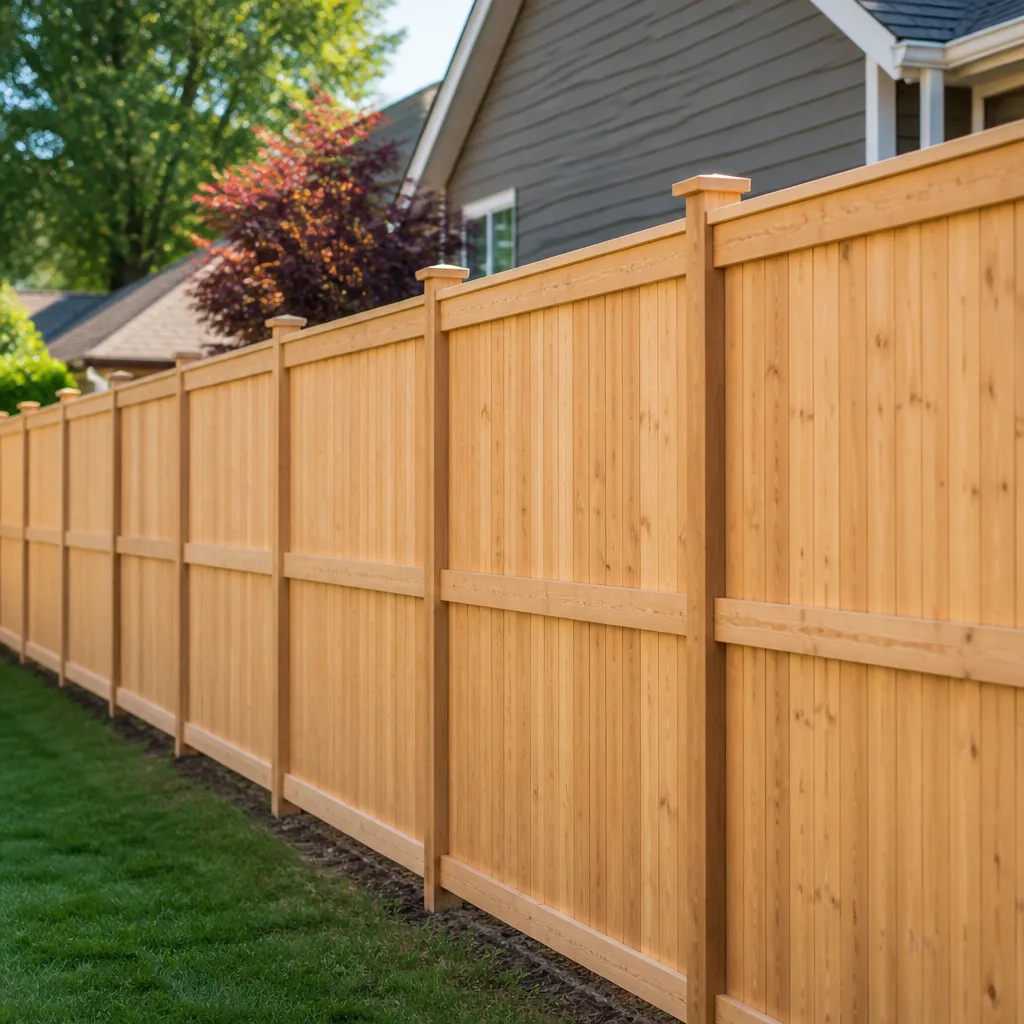
 Fence
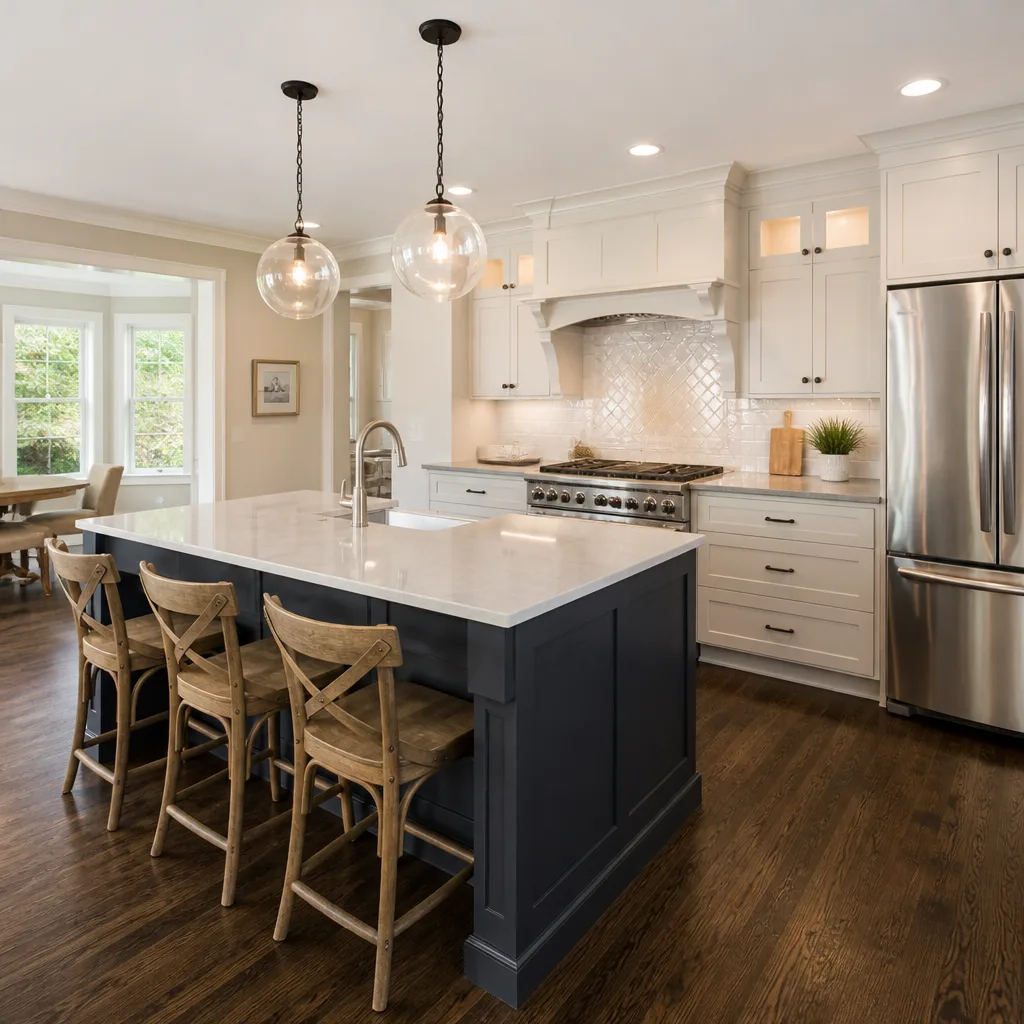 Kitchen remodeling
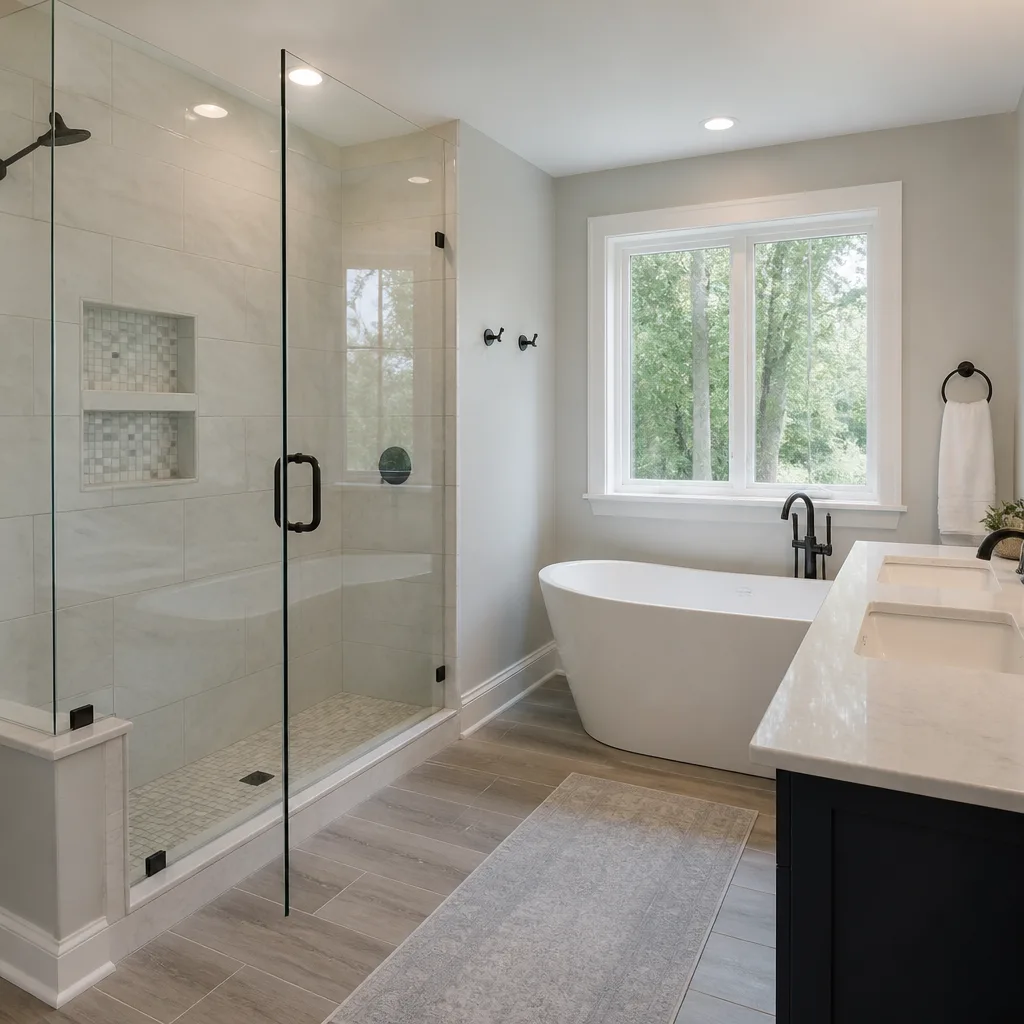 Bathroom remodeling
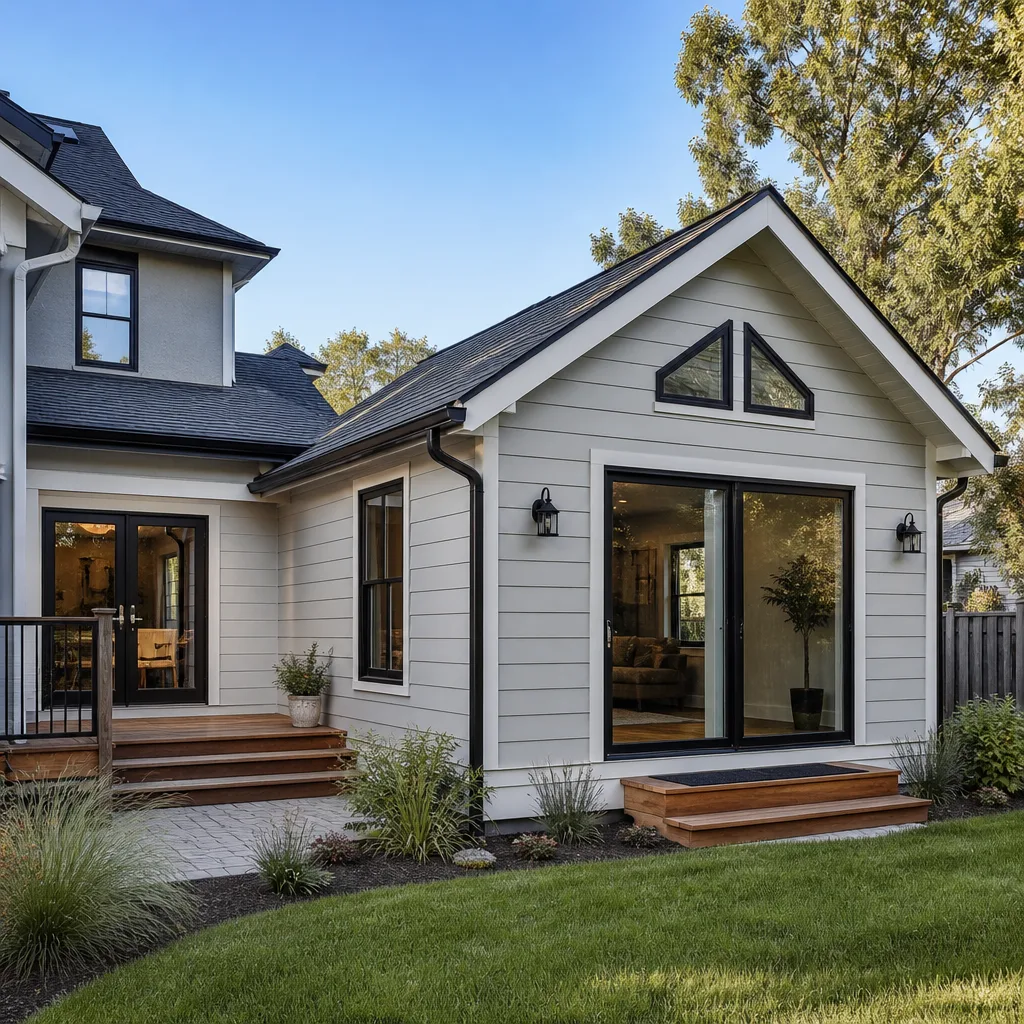 Home additions & ADU
 Roofing
 Windows & doors
 Driveway & pavers
Free written scope consultation - allowances, timeline, and change-order rules on paper before a single trade is scheduled
Styles & brands we work with
- Kitchen remodeling
- Bathroom remodeling
- Home additions & ADU
- Roofing
- Windows & doors
- Driveway & pavers
- Fence
See the difference
 Before
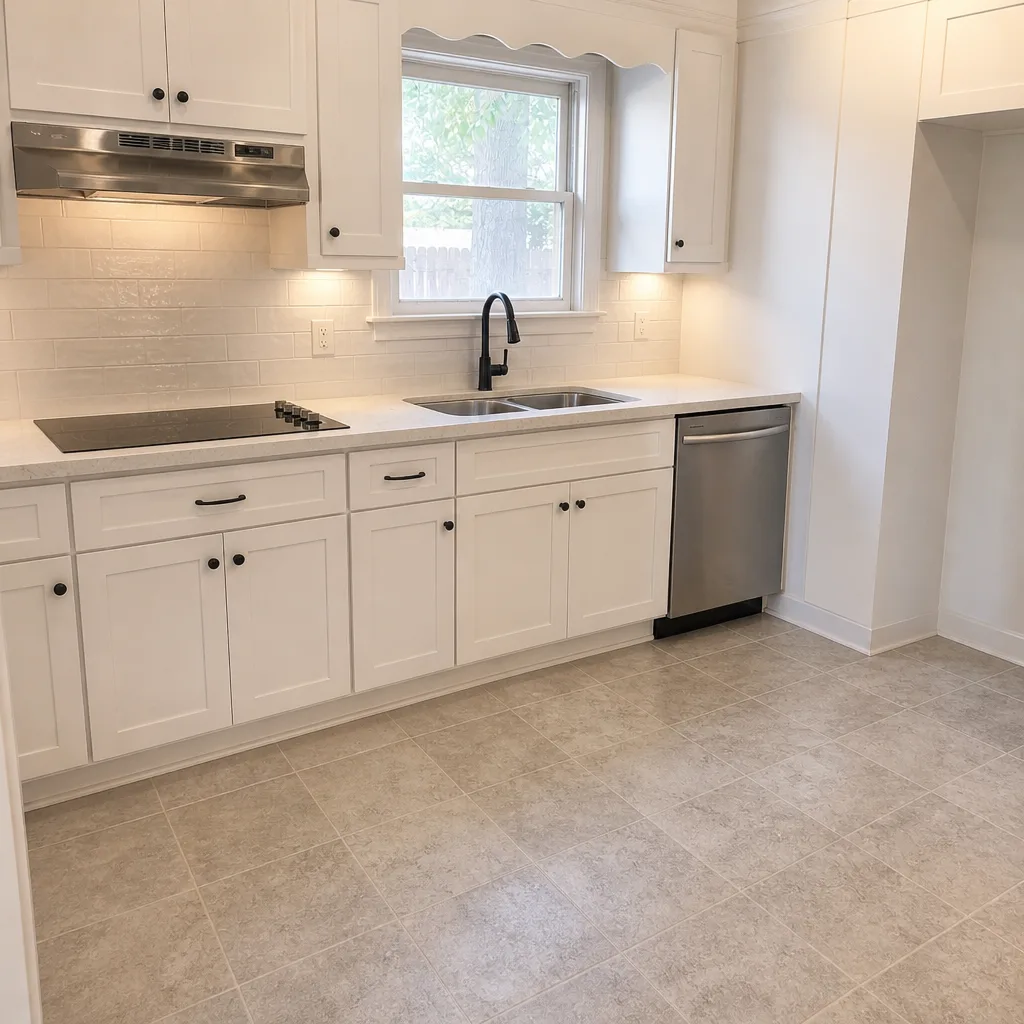 After
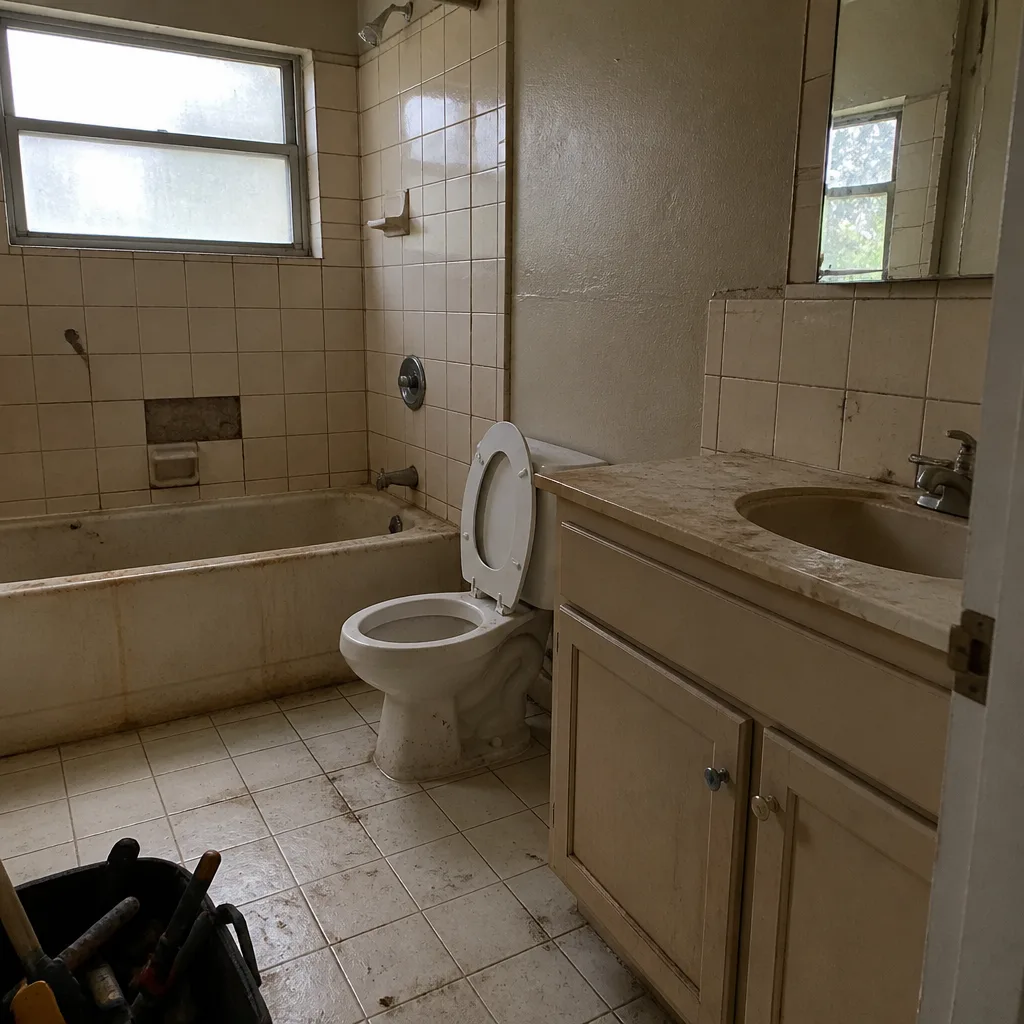 Before
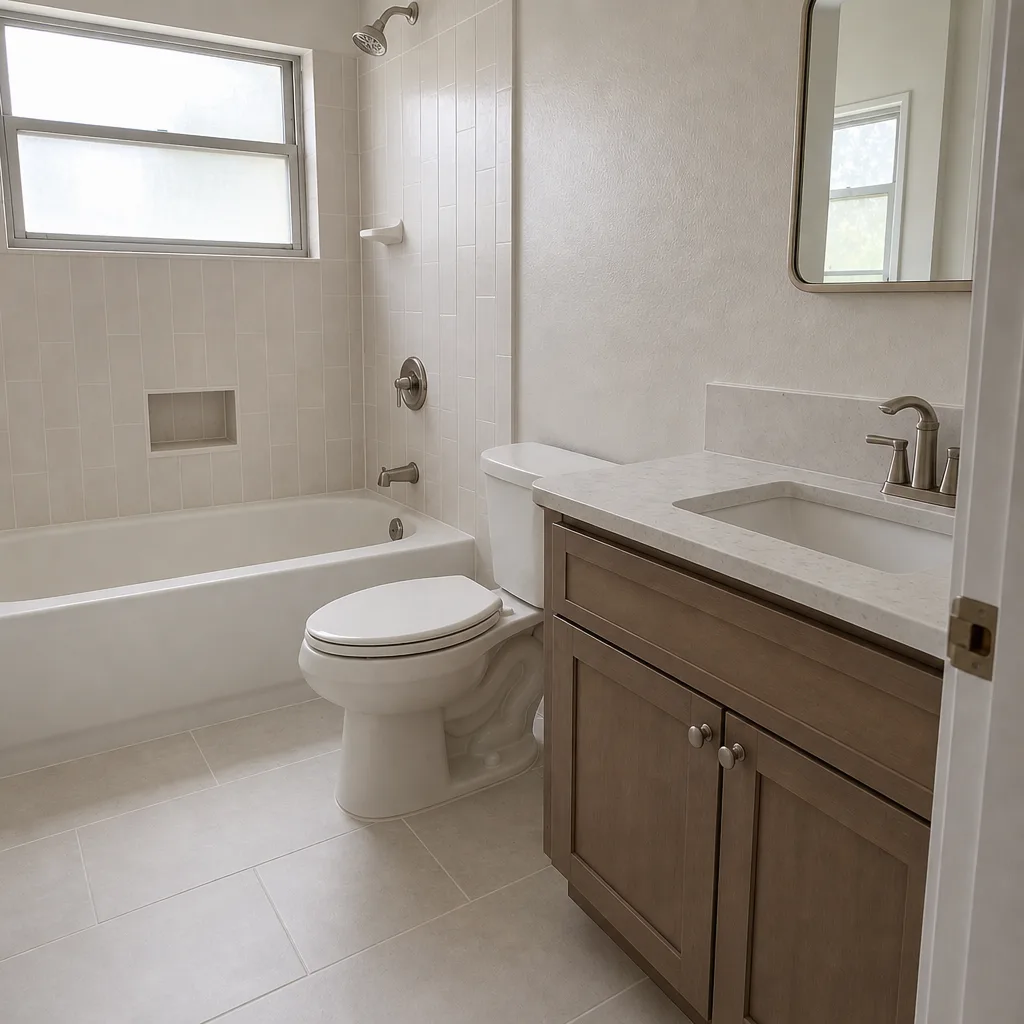 After
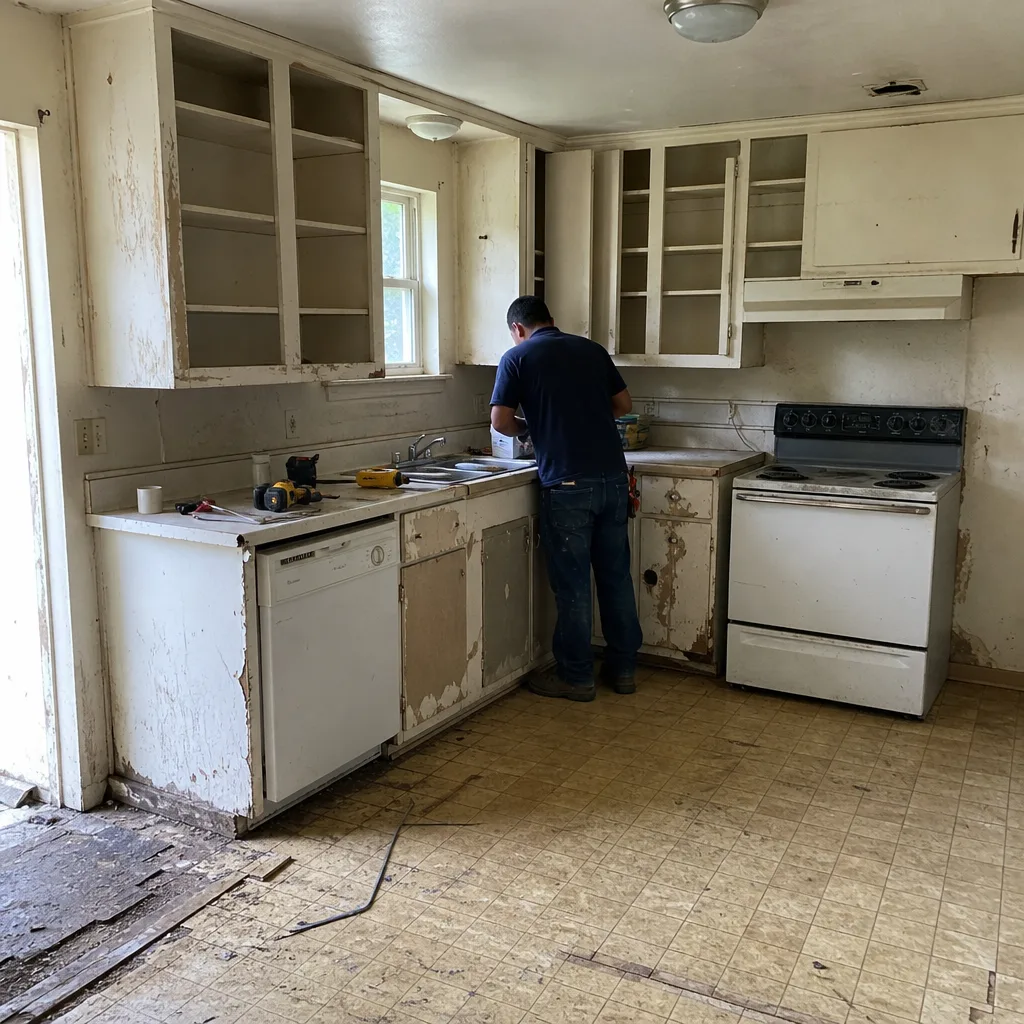 Before
 After
How long does a wood fence last in Dallas, TX? Usually 10-16 years, and the soil is what decides it
A wood fence in Dallas typically lasts 10-16 years, with pressure-treated pine landing at 10-14 years and cedar at 12-16 years when the posts are properly isolated from the soil. That range is shorter than the 15-20 years you’ll see quoted nationally, because those numbers come from climates that don’t stack 100°F summers, spring hail, and Blackland Prairie clay on top of each other. If you’re already seeing post rot or panels that lean after a hard rain, call Groundwork Construction Co. of Dallas at (844) 797-4808 and we’ll tell you straight whether it’s a repair or a replacement.
A cedar fence installed in Minneapolis lasts 20 years. The same cedar in Dallas, same boards and same grade, can start showing post rot and panel warp by year eight if whoever set the posts didn’t account for the soil moisture cycling that never stops here. That’s the part most homeowners don’t hear about until the fence is already failing.
Why Dallas fences fail faster than the national averages suggest
Dallas sits in the heart of the Blackland Prairie, and the ground here is expansive vertisol clay. That clay swells when it’s wet and shrinks hard when it’s dry, and it does that cycle over and over through a Dallas year. At the post base, where wood meets ground, you get the worst of both: the clay holds moisture against the wood through wet spells, then desiccates in summer drought and pulls away, leaving the wood to crack and open up. That wet-dry cycle is the single biggest lifespan killer for wood fencing in Dallas, and it’s a different mechanism from the freeze-thaw damage that drives fence failure up north. Freeze-thaw gets talked about constantly online. Clay moisture cycling barely gets a mention, and it’s the one doing the damage here.
Lifespan in Dallas is a function of soil chemistry and UV load more than material grade. You can buy the best cedar on the market and still lose it early if the post-to-ground detail was handled carelessly.
How long different wood species last in Dallas’s climate
Species matters, but less than installation. Here’s what we see in Dallas, broken out by wood type and the realistic number at the post base (the failure point that decides the whole fence):
| Wood species | Realistic lifespan in Dallas | What to know here |
|---|---|---|
| Pressure-treated pine | 10-14 years at the post base | The most common Dallas choice. Ground-contact rated treatment is essential; above-ground rated pine buried in clay fails fast. |
| Cedar | 12-16 years with proper post treatment | Better natural rot resistance than pine, but cedar posts still need isolation from the clay or the advantage shrinks. |
| Redwood | Rarely worth it in DFW | Beautiful, but overpriced for the same failure point. The post base still rots; you just pay more for the boards above it. |
A typical full wood fence installation in Dallas runs $3,500-$9,000 depending on linear footage, species, and how the posts are set. If you want the full scope on how we build fences here, see our Fence Installation page.
The hail problem nobody factors in
Dallas’s spring hail season is a quiet lifespan thief. Repeated hail impact splits the grain on fence boards and opens the wood to moisture penetration, which shaves two to four years off panel life no matter what species you chose. A fence that takes three or four good hail events over a decade will show it in the boards, even if the posts underneath are still sound. That’s why a Dallas fence’s real lifespan is often set by how much hail it has absorbed, not how good the lumber was on day one.
What actually extends a wood fence’s life in Dallas
Three things move the needle more than any other decision, and all three are installation and maintenance choices rather than material upgrades:
- Post sleeves or concrete-collared posts to isolate the wood from direct clay contact at the base. This is the biggest single lever. Keeping wood out of constant wet-dry soil exposure can add years to a post that would otherwise rot from the ground up.
- Annual stain maintenance to fight UV degradation. Dallas gets 230+ sun days a year, and UV breaks down the lignin in wood, turning boards gray and brittle. A fresh stain coat every year or two slows that. Quikrete and Sakrete concrete mixes are what we reach for when we set posts, because a proper collar only works if the concrete is mixed and cured right.
- Proper panel spacing to let air move through the fence. Tightly butted panels trap moisture between boards; a little gap lets Dallas humidity dry out after a rain.
Post depth is the one most homeowners never see. A post set too shallow in clay will heave and lean within a few wet-dry seasons, no matter how good the wood is. Get the depth and the base detail right, and everything above it lasts longer.
Common local scenarios we run into in Dallas
Most of the failing fences we look at fall into a few patterns. If any of these sound familiar, it’s worth a look rather than another coat of stain:
- The six-year-old cedar fence with soft posts. Cedar boards are still fine, but the posts were set directly in clay with no isolation. The base is the problem, not the panels.
- The pine fence that never got stained. Dallas UV has done its work. Boards are gray, brittle, and cracking, and the fence has lost years off its back end.
- The hail-beaten fence. Grain is split across whole runs of panels after two or three spring storms, letting moisture in even though the posts are still sound.
- The leaning fence after a wet spring. Clay expansion has pushed post bases loose, and the whole run is starting to rack.
Why install confidence shows up in the guarantee
A company willing to back its workmanship for two years isn’t cutting corners on post depth or wood treatment, because it will be the one fixing the callback. Every Groundwork fence project is covered by our 730-Day Done Right Promise: if it’s not done right, we make it right. Our technicians have up to 12 years of experience, and they’re background-checked and arrive in uniform, so the crew that sets your posts is the crew that’s accountable for them being set right.
Upfront pricing, no surprises means the number you approve is the number you pay, and we back that with 0% financing for 18 months plus $1,000 off projects over $10,000. A fence is a long-horizon decision in Dallas; it’s worth building it to last and having it backed in writing.
FAQs
A wood fence in Dallas typically lasts 10-16 years, shorter than the 15-20 years you’ll see quoted nationally. The combination of expansive clay soil, 230+ sun days, and spring hail works wood harder than most climates do. Pressure-treated pine lands near 10-14 years at the post base; cedar reaches 12-16 years with proper post treatment. For an assessment on your specific fence, estimates are free.
Repair is usually cheaper if the posts are sound and only panels or boards need replacing; once the posts are rotting at the base, replacement generally wins on cost over a few years. A leaking post base is the point of no return in Dallas clay. Call (844) 797-4808 and we’ll give you a straight answer instead of pushing a full replacement you don’t need.
Wood fence installation in Dallas runs $3,500-$9,000 depending on linear footage, wood species, and how the posts are set. The post isolation detail (sleeves or concrete collars) adds cost upfront but is the single biggest factor in how long the fence lasts. Call us for an upfront, no-surprise quote; estimates and design consults are free.
Yes. Repeated spring hail splits the grain on fence boards and opens the wood to moisture, which can shave two to four years off panel life regardless of species. It’s why two fences built the same year can fail years apart depending on which one took the worse storms. If you’ve been through heavy hail, it’s worth having the panels checked for splits.
Get a straight answer on your fence
If you’d rather have it looked at, Groundwork Construction Co. of Dallas offers a no-pressure assessment in Dallas. We’ll tell you whether your fence has years left, needs repairs, or is ready to replace, and we’ll show you the options with a clear price. Call (844) 797-4808 to set it up.
Written by the team at Groundwork Construction Co. of Dallas, serving Dallas, TX.