
Last updated November 17, 2026
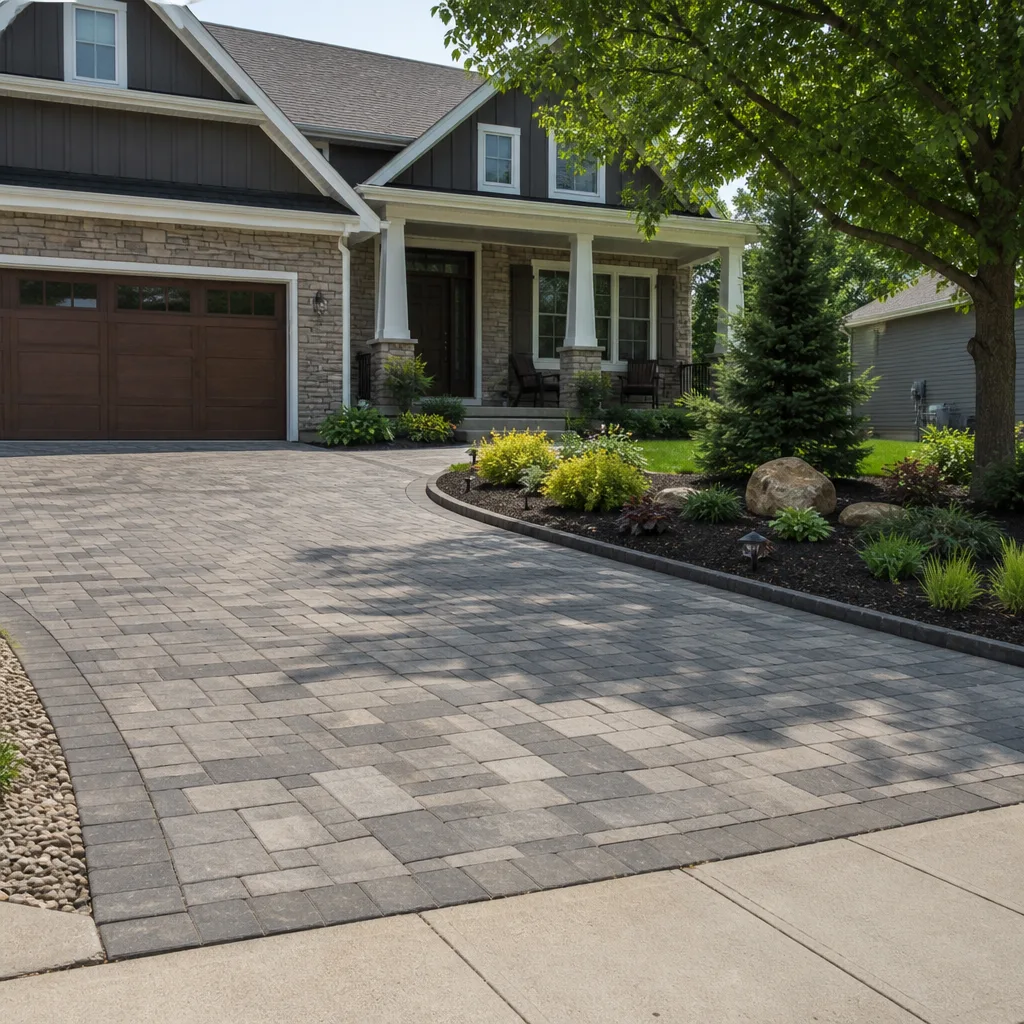 Driveway & pavers
 Kitchen remodeling
 Bathroom remodeling
 Home additions & ADU
 Roofing
 Windows & doors
 Fence
Free written scope consultation - allowances, timeline, and change-order rules on paper before a single trade is scheduled
Driveway & Pavers Troubleshooting: Common Problems and How to Fix Them
If your pavers are sinking in the same spot every year, you’re not dealing with a paver problem. You’re dealing with a drainage or base compaction problem, and re-leveling the surface without addressing the root cause is burning money. We’ve pulled apart driveways in Dallas where the same three square feet had been reset four times by three different crews, and the pavers were never the issue. The base under them was. This guide walks you through the four installation shortcuts behind roughly 90% of paver failures, teaches you to read what sinking and heaving are actually telling you, and shows you which repairs are patchable versus which need real excavation. By the end you’ll know exactly what you’re looking at before you pay anyone to touch it.
Quick Answer
Most driveway paver problems in Dallas trace back to four root causes: poor base compaction, inadequate drainage slope, missing or failed edge restraints, and the wrong joint sand. Surface-level fixes (re-sanding, re-leveling, tamping) fail because they don’t touch the cause. Sinking that returns every season means the base was never compacted in lifts or the soil is holding water. Heaving means water is trapped underneath and freezing. Before spending money on any repair, diagnose which of the four causes matches your symptom.
Styles & brands we work with
- Kitchen remodeling
- Bathroom remodeling
- Home additions & ADU
- Roofing
- Windows & doors
- Driveway & pavers
- Fence
Table of Contents
- The Four Root Causes Behind Almost Every Paver Failure
- Visual Diagnosis: What Your Pavers Are Telling You
- Patchable Repairs vs. Full Section Removal
- How Dallas Heat and Freeze-Thaw Cycles Make Small Problems Worse
- Joint Sand, Weeds, and Efflorescence
- Questions to Ask a Contractor Before You Hire
- What Repairs Actually Cost in Dallas
The Four Root Causes Behind Almost Every Paver Failure
Paver manufacturers build products that last decades. The Belgard and other hardscape lines we install don’t spontaneously crack or settle. When they fail, it’s almost always the layer underneath. Here are the four shortcuts that cause the vast majority of driveway and paver problems, and how to recognize each one on your own property.
1. Poor Base Compaction
This is the number one culprit. A driveway paver system needs a properly graded, compacted base of crushed stone – typically 4 to 6 inches compacted in 2-inch lifts for a residential driveway, thicker if the soil is clay-heavy, which much of Dallas is. Skipping lifts, or compacting with a plate tamper instead of a proper vibratory roller, leaves voids that settle under load. The tell is a shallow depression where car tires regularly sit, or a low spot that reappears within a season of being reset.
2. Inadequate Drainage Slope
Pavers need a slope away from the house, ideally 1 to 2 percent, so water runs off rather than pooling. When the slope is flat or pitches toward the garage, water sits in the joints and works down into the base. Over time it softens the compacted stone and carries fines away. The tell is standing water after rain, staining near the garage threshold, or pavers that rock when you walk on them only after a storm.
3. Missing or Failed Edge Restraints
Edge restraints hold the entire field of pavers in place. Without them, the edges migrate outward, joints open, and the whole field loosens like a puzzle with missing border pieces. Many cut-rate installations skip the concrete edge restraint or use plastic edging without proper stakes. The tell is a gap opening along the driveway edge, or the outermost row of pavers visibly splaying outward.
4. Wrong Joint Sand
Joint sand is what locks the pavers together laterally. Plain masonry sand washes out within a season. You need a polymeric or stabilized joint sand designed for driveways. The tell is weeds sprouting in joints, sand constantly washing out after rain, or pavers that shift underfoot because there’s nothing between them.
If you’ve traced your problem to one of these four, you’ve already done more diagnosis than most homeowners ever do. And if the driveway is part of a larger outdoor overhaul, our Driveway & Pavers in Dallas page covers the full installation process from grading to final sealer.
Visual Diagnosis: What Your Pavers Are Telling You
Every symptom points to a cause. Before you call anyone, walk your driveway and match what you see to the chart below. This is the single most useful thing you can do to protect yourself from a contractor who wants to sell you a repair that won’t hold.
- Sinking in the same spot: Base compaction failure or trapped water softening the sub-base. Never a paver defect.
- Heaving or lifting: Water trapped under the pavers freezing and expanding. In Dallas this shows up after our occasional hard freezes, and it means drainage is wrong.
- Cracking (in the paver itself): Point-loading from an uncompacted void underneath, or excessive deflection from a too-thin base. Sometimes a heavy vehicle on the wrong installer’s work.
- White hazy film (efflorescence): Moisture migrating through the paver carrying mineral salts to the surface. It signals water movement behind the wall of the pavers – a drainage clue, not just a cosmetic annoyance.
- Rocking pavers: Joint sand has washed out and the base has loosened. Usually means water intrusion and missing edge restraint together.
- Weeds in joints: Plain sand was used instead of polymeric. Cosmetic but a symptom of shortcut installation.
- Widening gaps at the edge: Edge restraint failure. Left alone, the whole field loosens over one to two seasons.
If you can match your symptom to one of these, you know the underlying cause. Put the effort into confirming it before repair. This is the same diagnostic logic our crews use on the first visit.
Patchable Repairs vs. Full Section Removal
Half the money homeowners waste on paver repair goes to patching problems that needed excavation, and the other half to excavation that only needed a patch. Here’s how to tell them apart.
Genuinely Patchable
- Isolated low spot with no water issue: If a single spot sinks but the surrounding field is stable and water drains off, lifting that small section, re-compacting the base, and resetting is a fair repair – typically 4 to 8 square feet.
- Missing sand in joints: Re-sanding with polymeric joint sand and re-sealing is patchable and worth doing every 2 to 3 years.
- One loosened edge row: If the edge restraint is intact and only a few pavers have popped loose, reset those pavers and re-establish the joint sand. This is patchable if the restraint is solid.
- Efflorescence on newer pavers: Often a symptom of installation moisture that resolves once the pavers dry out. Efflorescence cleaner works for the cosmetic issue while you verify the water source.
Needs Full Section Removal
- Sinking in the same spot for two or more seasons: The base is wrong. Reset the symptom and it returns. You need to excavate down to a properly compacted base, in layers, before resetting the pavers.
- Widespread rocking or shifting: When more than 20% to 30% of the field moves underfoot, the base is compromised somewhere it doesn’t show. Full removal and re-base is usually cheaper than patching repeatedly.
- Heaved section from trapped water: The water needs a path out. Surface work won’t do it. This needs corrected drainage slope and often a re-graded base.
- Failed or missing edge restraint: The whole field relies on the edges. You need a proper concrete edge, not a re-set edge.
- Cracks running across multiple pavers: Structural base issue. Remove and rebuild.
Here’s the diagnostic question that tells you which camp you’re in: “If I fix the surface, does the same thing happen again next season?” If yes, you need section removal. If you can name the specific surface fix and see it holding, patch it.
How Dallas Heat and Freeze-Thaw Cycles Make Small Problems Worse
Dallas isn’t brutal cold country, but our climate is deceptively hard on hardscape. Two things happen here that accelerate paver failures, and most guides written nationally don’t mention either.
Summer heat expansion. Dallas summers routinely hit triple digits, and paver surfaces get much hotter. Concrete pavers expand and contract slightly with heat, and if the joint sand is missing, that expansion pushes pavers against their neighbors, opening joints and loosening edge restraints. A driveway with healthy joint sand buffers this movement. A driveway with washed-out joints amplifies it.
Freeze-thaw cycles. Dallas gets a handful of hard freeze events each winter – sometimes just two or three, sometimes more. That’s enough to do damage. When water trapped under a paver freezes, it expands, lifting pavers and opening joints. When it thaws, the pavers settle back unevenly, and the base under them has shifted slightly. Repeat that motion two or three winters and a small drainage flaw becomes a heaving problem. Our clay-heavy North Texas soil holds water longer than sandy soil does, which makes trapping more likely than it would be in a drier market.
The takeaway: a small drainage problem that would be cosmetic in a mild climate gets amplified here by both heat and freeze. Fix drainage and joint sand before winter, not after. That’s the single highest-return maintenance step in Dallas. It’s also the reason we tell homeowners to check their driveway edges and joints every fall, before the first freeze hits.
Joint Sand, Weeds, and Efflorescence
Of all the “small” problems on a paver driveway, joint sand is the one worth being strict about. It’s the glue that keeps the field stable, and when it’s gone, everything else follows.
Why the Right Sand Matters
Two joint sands dominate: polymeric and stabilized. Polymeric sand sets up slightly hard when it cures, resists washout, and blocks weeds. Stabilized sand is a newer alternative that stays flexible. Either is fine for a Dallas driveway if it’s properly installed and re-applied when it wears down. Plain masonry sand is not. It washes out after a season or two.
Re-sanding as Maintenance
- Wait for a dry stretch of at least 2 to 3 days.
- Clean the joints of debris and old sand using a pressure washer on a low setting.
- Wait for the pavers to fully dry.
- Sweep new polymeric joint sand into the joints until they’re flush.
- Wet the surface gently to activate the polymer as directed by the product.
- Let it cure without traffic for 24 hours.
Do this every 2 to 3 years, and you’ll get years more life out of the driveway. It’s the cheapest protection you can buy.
Efflorescence: Water Movement, Not Dirt
That white hazy film isn’t dirt. It’s mineral salts that water has carried up through the paver and deposited on the surface as it evaporated. You can clean it off with an efflorescence cleaner, but if it keeps coming back, water is still moving underneath. That’s the diagnostic clue – efflorescence is a symptom, and the cause is almost always a drainage or moisture problem underneath the pavers. Clean it, then watch for it. If it recurs, the base is telling you something.
Weeds
Weeds come up where there’s sand with no polymer holding it together. Fixing the joint sand closes that door. If your driveway has chronic weeds, upgrade to a properly installed polymeric sand, and keep in mind that weeds in the field usually traces back to missing edge restraint, which is where the whole failing edge loosens.
Questions to Ask a Contractor Before You Hire
The right repair isn’t the quickest one. Here’s how to verify that the crew coming to your Dallas driveway is fixing the cause and not just resetting the symptom.
- “How deep will you excavate, and how many inches per lift will you compact?” A driveway base needs 4 to 6 inches of compacted crushed stone for normal loads, using a vibratory roller, in 2-inch lifts. If they say “we’ll just tamp down some new gravel,” they’re resetting the symptom.
- “What slope will you build in, and how will you check it?” They should be able to tell you the drainage moves away from the house at 1 to 2 percent, and how they verify – a level, a string line, a slope gauge. Vague answers mean no plan.
- “How do you install the edge restraint?” The answer should involve a concrete curb or a properly staked rigid restraint, not just plastic edging laid on top of the soil.
- “What joint sand will you use?” Polymeric or stabilized, not plain sand. Ask to see the product name.
- “Are you going to address drainage at all, or just reset the pavers?” If the answer is “just the pavers,” you’re going to see this problem again.
- “What does the workmanship warranty cover, and for how long?” Vague warranties mean nothing gets covered. Ours is in writing.
- “Can I see that warranty and the written scope of work before I sign?” A real contractor wants to put the scope in writing. Pushy, vague, handshake-only estimators are the ones whose work fails in two seasons.
At Groundwork Construction Co. of Dallas, we put the scope in writing, pull permits where called for, and back the work with our 730-Day Done Right Promise. If the repair doesn’t hold because of our workmanship, we make it right. That’s a longer workmanship window than most hardscape crews offer, and it exists precisely because we do the excavation right the first time. See how we approach hardscape work on our Driveway & Pavers in Dallas page.
What Repairs Actually Cost in Dallas
Before you sign, get a written line-item quote. Here’s what realistic repair ranges look like for Dallas-area driveways, based on what we see in the market. Your specific driveway, square footage, and access conditions will adjust these, but this gives you a frame of reference.
- Re-sanding joints with polymeric sand: $300 to $700 depending on driveway size.
- Isolated section reset (4 to 8 sq ft): $400 to $900, depending on whether the base needs re-compaction.
- One edge row repair with restraint replacement: $500 to $1,200.
- Full section excavation and re-base (single area, 60 to 120 sq ft): $1,500 to $4,000.
- Full driveway re-base and reset (typical 400 to 600 sq ft): $4,000 to $12,000.
- Efflorescence cleaning: $250 to $500.
- Sealing after repair: $400 to $900.
Prices in Dallas are typically higher than the national average for hardscape work, and repair access adds cost – a driveway that hasn’t been kept clear or has utility covers in the work zone takes more time. Get a written line-item quote with materials and labor broken out. Never accept a verbal ballpark for a repair that involves excavation. And be wary of anyone quoting a full driveway reset without first walking the property and confirming the symptom.
Common Mistakes to Avoid
- Re-leveling the surface without fixing the base. This is the most expensive mistake on the list. It buys you one season, sometimes less, and the problem returns worse. If you’re going to reset, excavate and re-compact.
- Ignoring joint sand until weeds take over. Polymeric joint sand every 2 to 3 years is the single cheapest protection for a Dallas driveway. Waiting until the field loosens means a much bigger repair.
- Skipping edge restraint on the “cheap” quote. Plastic edging without proper stakes is a shortcut. The edge holds the whole field. If a quote has no line item for edge restraint, ask why.
- Using plain masonry sand for joints. It washes out in a season and leaves the field unstable. Polymeric or stabilized sand, always.
- Pressure-washing at full power. It blows the joint sand out and can mar the surface. Low pressure, gentle angle, and plan to re-sand after.
- Assuming cracks mean the paver is defective. Cracks almost always signal an underlying base void or deflection. Replacing the cracked paver without fixing the base wastes the paver.
- Calling the first quote that comes back. Get two or three written quotes and compare scope, not just price. The cheapest quote often skipped base prep, which is exactly what fails in Dallas’s clay soil.
If you’re also addressing the rest of your outdoor space while you’re at it, our Fence Installation in Dallas page covers the same installation-quality thinking for fencing, and pairing the two projects can save you on mobilization. For homeowners adding a garage, workshop, or ADU that share the driveway approach, our Home Additions & ADU in Dallas page explains how we tie the new structure’s foundation, drainage, and hardscape together so you’re not grading twice.
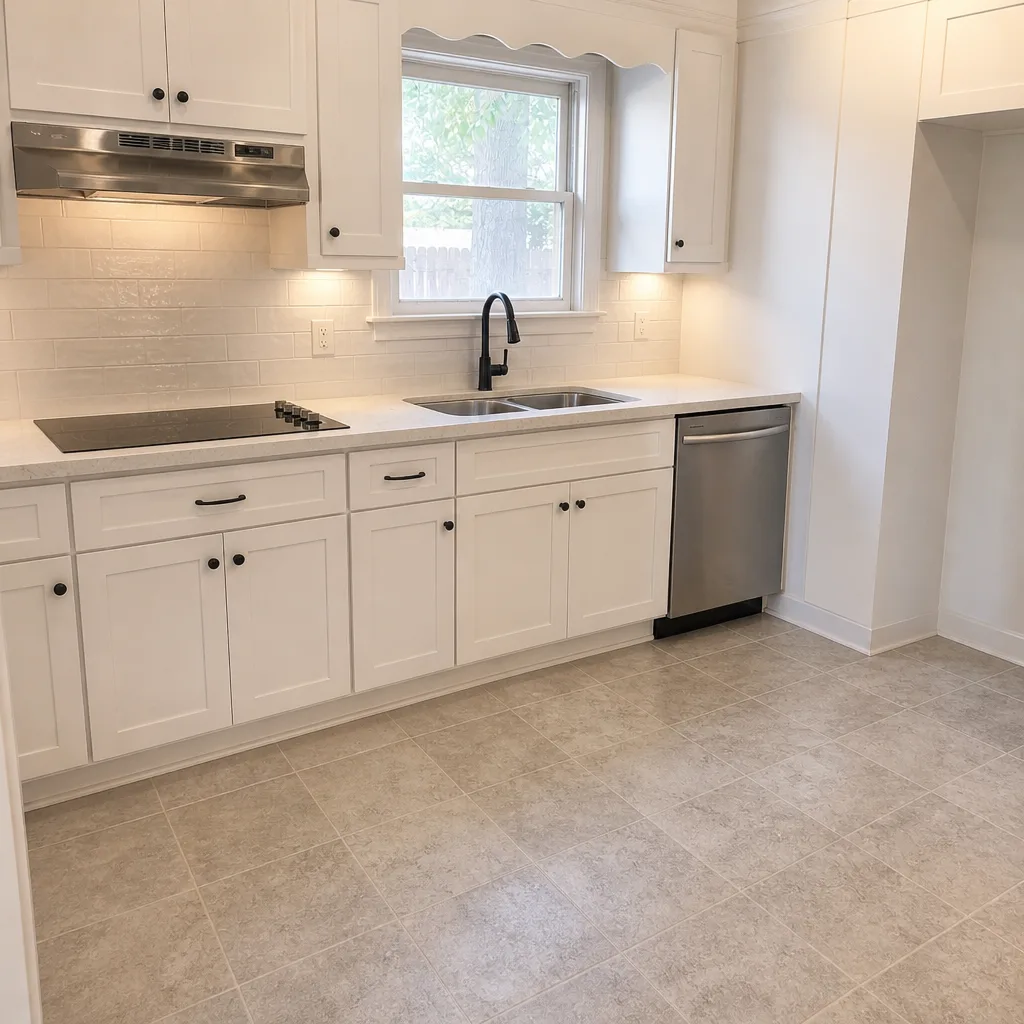
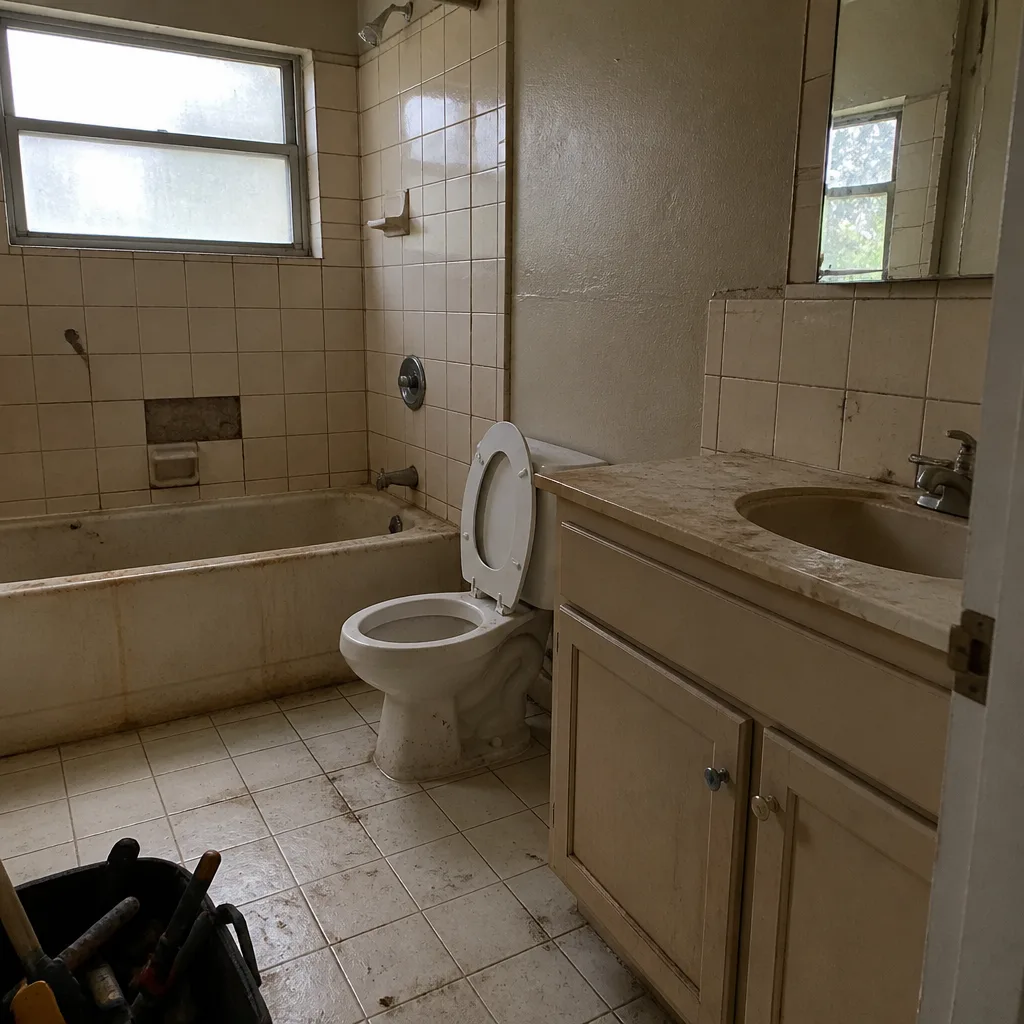
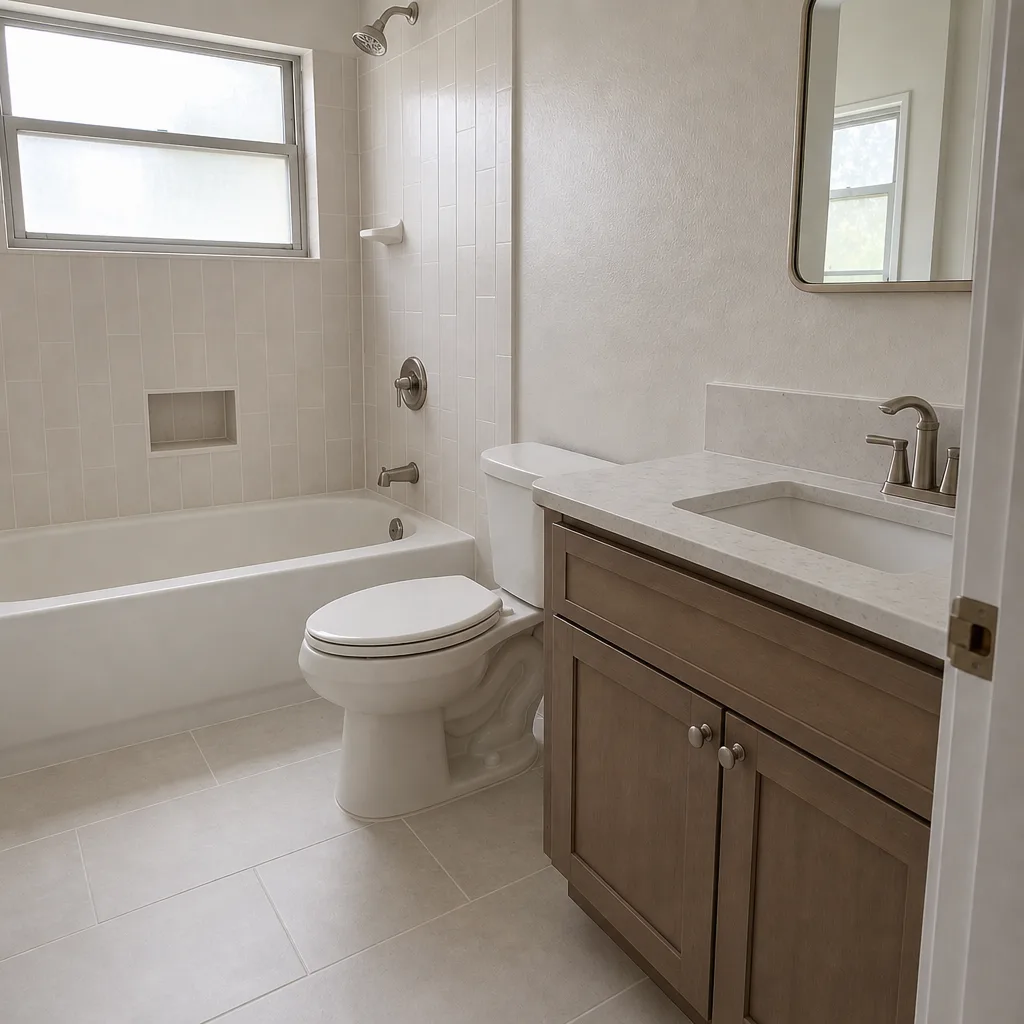
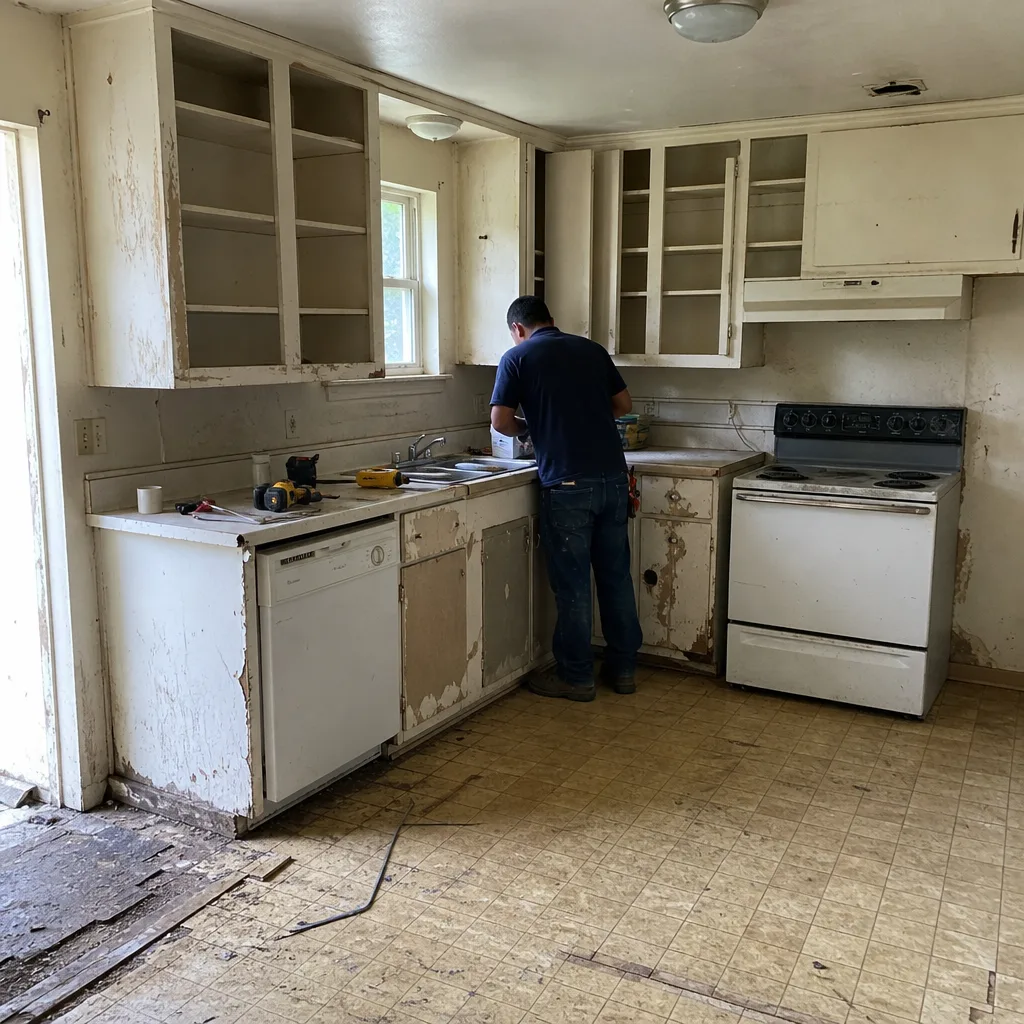
See the difference
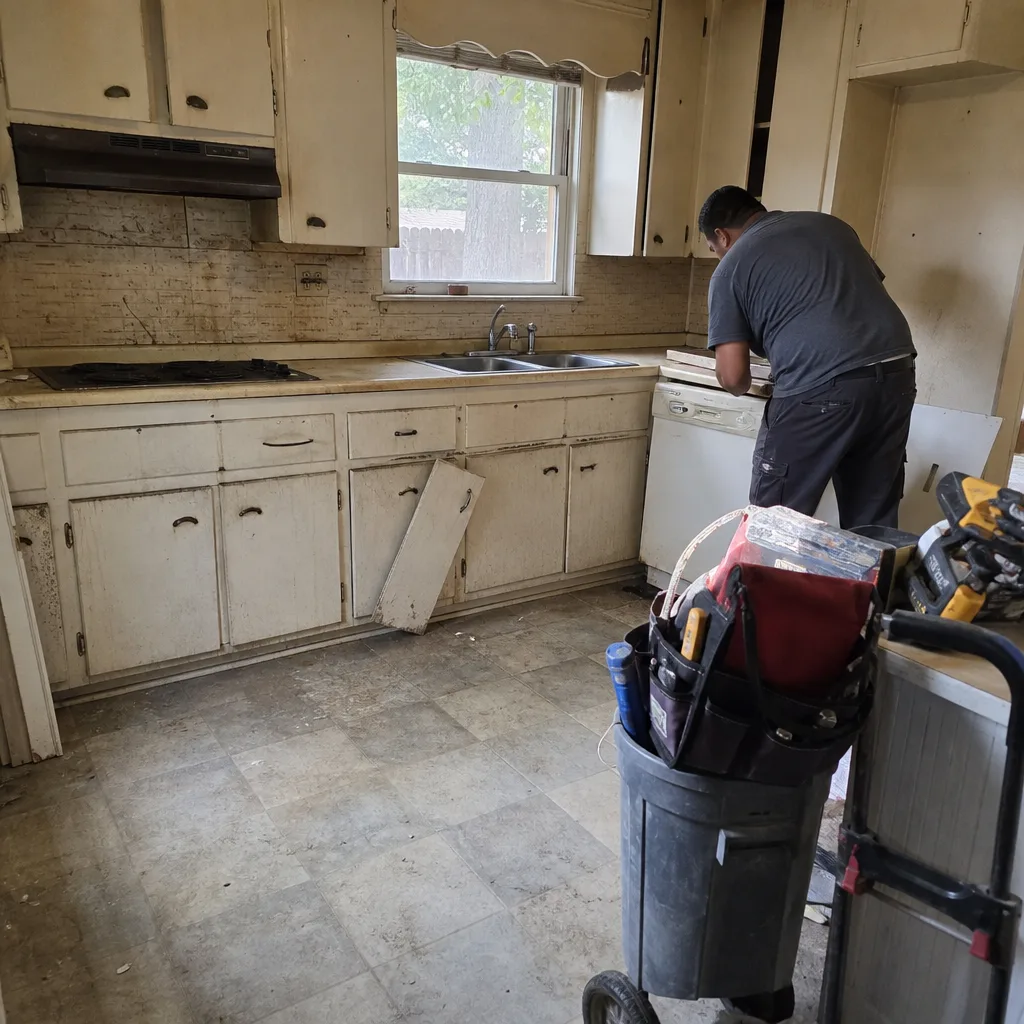 Before
 After
 Before
 After
 Before
 After
When to Call a Professional
Some repairs are genuinely worth doing yourself. Re-sanding joints, cleaning efflorescence, and fixing a single rocking paver are all reasonable homeowner projects. But anything that involves excavation, base compaction, drainage re-grading, or edge restraint replacement is a job for a crew that does it every day. The tools alone – a vibratory plate tamper or roller, proper slope gauges, the right polymeric sand and sealer – cost more than most DIY ers realize, and doing it wrong means the failure returns within a season.
Call a professional if you’ve got sinking in the same spot returning after a reset, heaving after a freeze, cracks running across multiple pavers, a failing edge restraint, or water staying on the driveway after a storm. Those are the four root causes, and fixing them correctly takes a trained crew. Groundwork Construction Co. of Dallas offers free estimates in Dallas – call (844) 797-4808. We answer live, 24/7, and we put the scope in writing before we start.
Frequently Asked Questions
Because the base underneath was never compacted properly, or water is trapped under the pavers. The sinking is the symptom; the base is the cause. Re-leveling the surface without excavating and re-compacting the base is the most common way homeowners waste money on paver repair. A proper fix means excavating down to stable soil, re-compacting crushed stone in 2-inch lifts, and correcting drainage before resetting the pavers. Call (844) 797-4808 for an exact quote on the excavation – the first estimate is free.
Almost never. The pavers are usually fine. Sinking, rocking, heaving, and most cracks trace back to the base, drainage, or edge restraint, not the paver material. Manufacturers like Belgard build pavers that last decades. The failure happens in the inches below. If someone tells you the pavers need replacing without explaining the base, get a second opinion.
If the sinking has returned after one reset, water pools on the surface, or more than a small isolated area is loose, you need section removal and re-base. If it’s a single low spot with no water issue, missing joint sand, or a single loosened row with intact edge restraint, patching is fair. The diagnostic question is whether the surface fix will hold. If it won’t, excavate.
Sometimes, if the heaving is a small isolated area and you can re-establish the drainage path and reset those pavers. But most heaving means water is trapped under a wide area and freezing. Dallas’s freeze-thaw cycles make that worse every winter. A repair that doesn’t fix the drainage will heave again next winter. We diagnose the drainage path before quoting so the fix actually holds.
Expect $300 to $700 to re-sand joints, $400 to $900 for an isolated section reset, $500 to $1,200 for an edge row repair with restraint, $1,500 to $4,000 for a full section re-base, and $4,000 to $12,000 for a full driveway re-base and reset. Dallas prices run higher than the national average, and driveway access conditions matter. Call (844) 797-4808 for a written line-item quote – the estimate is free.
Not if the scope was evaluated honestly up front. Upfront pricing means the number you see is the number you pay. The exceptions are things nobody can see without excavating – like discovering the sub-base soil is worse than expected. A good contractor keeps that risk in the quote margin instead of hiding it in change orders. We put the scope in writing and back the work with the 730-Day Done Right Promise.
Most paver repairs don’t require a permit. Full driveway replacement sometimes does, depending on the scope and whether the driveway connects to a public right-of-way. We confirm which permits apply during your estimate and handle the paperwork where required. Ask any contractor which permits apply to your specific job – a vague answer is a red flag.
Key Takeaways
- Sinking that keeps returning is a base or drainage problem, not a paver problem.
- The four root causes: poor base compaction, bad drainage slope, missing edge restraint, wrong joint sand.
- Match your symptom to the cause before you pay anyone.
- Patch only what the patch will hold. Excavate when it won’t.
- Dallas heat expansion and freeze-thaw cycles punish small drainage flaws fast. Fix drainage and joint sand before winter.
- Get a written line-item quote. Ask how deep they excavate and how they check slope.
- Polymeric joint sand every 2 to 3 years is the cheapest protection you can buy.
The Bottom Line
Paver failures aren’t random. They follow a pattern, and the pattern traces back to four installation shortcuts. Diagnose the cause before you spend a dollar on repair, because patching the symptom just resets the clock on the same problem. If your driveway has sinking that returns, heaving after a freeze, or an edge that’s loosening, that’s your signal to have the base, drainage, and restraint checked. For homeowners who want the repair done right and backed in writing, Groundwork Construction Co. of Dallas is here to help. We serve Dallas and the surrounding communities with upfront pricing, no surprises, and a 730-Day Done Right Promise behind the work. Call (844) 797-4808 to schedule your free estimate – a live person answers, 24/7. Start by visiting our Groundwork Construction Co. of Dallas home page to see all seven of our service lines, from roofing and windows to hardscape and additions.
Written by the team at Groundwork Construction Co. of Dallas.