

 Kitchen remodeling
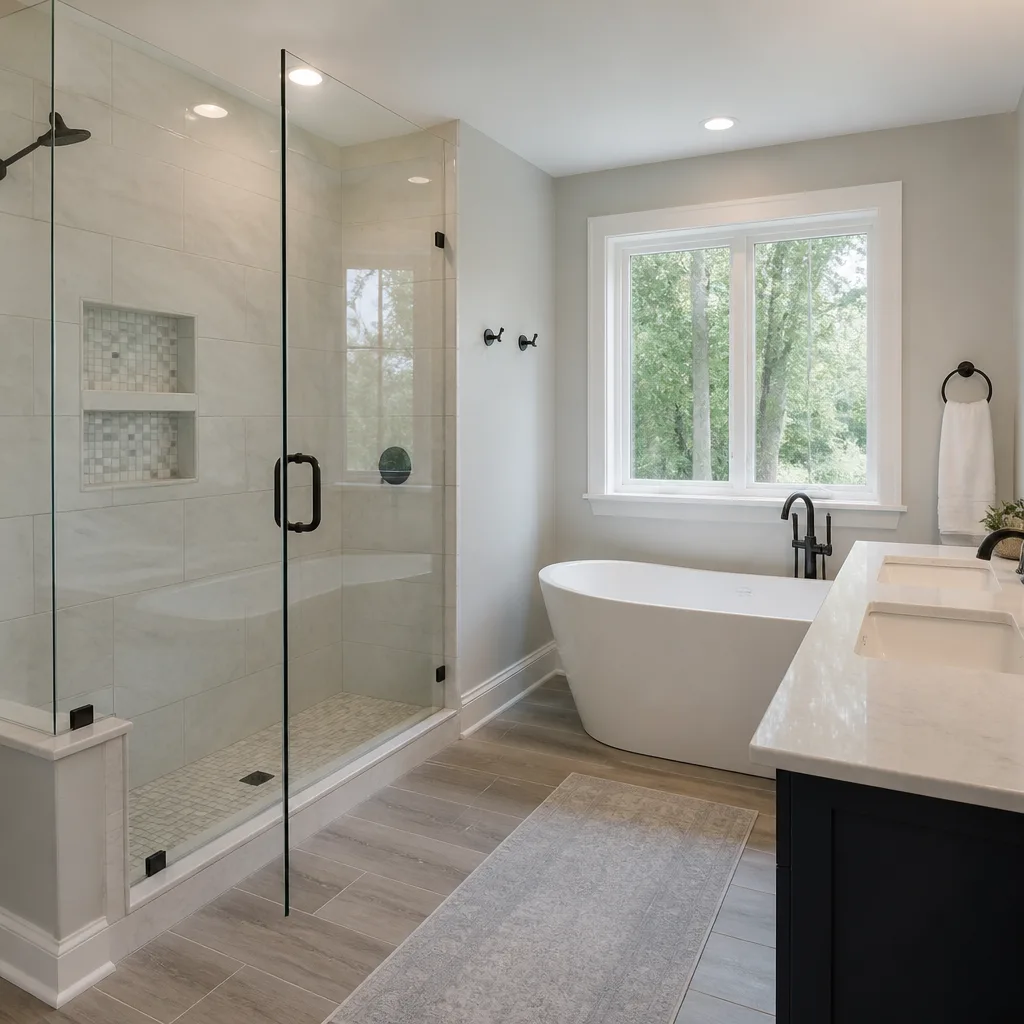 Bathroom remodeling
 Home additions & ADU
 Roofing
 Windows & doors
 Driveway & pavers
 Fence
Free written scope consultation - allowances, timeline, and change-order rules on paper before a single trade is scheduled
Tub-to-Shower Conversion in Cedar Hill, TX: What It Costs and How Long It Takes
A tub-to-shower conversion in Cedar Hill typically runs $3,500 to $10,000 and takes five to eight working days from demolition to final inspection. The job means pulling the tub, reworking the drain and valve to shower height, waterproofing the wet area, and setting a new base, walls and glass. Most Cedar Hill homes we see land in the $6,000 to $8,500 range once you pick a tiled pan and a framed glass door. Call (844) 797-4808 for a free on-site estimate and a written line-item price before anything gets ordered.
How a Tub-to-Shower Conversion Actually Goes, Stage by Stage
This is the sequence we follow on every conversion in Cedar Hill, and it’s the same whether you’re in a 1990s subdivision off Belt Line or an older ranch house closer to the original townsite. Knowing what happens on day one versus day five keeps you from being surprised by the noise, the dust or the moment a wall has to open up.
Stage 1: Demo and inspection (day 1)
We shut off water, set floor protection, and cut the tub out. The surround tile or fiberglass panel comes down with it. The moment the wall is open we inspect the valve, the drain, and the framing behind it, because a 25-year-old tub usually hides a little rot or a corroded mixing valve. You’ll get photos at this point and a straight answer on anything that needs replacing before we build back.
Stage 2: Plumbing rough-in (day 1 into day 2)
The drain gets converted from tub height to shower height, and the valve moves up to a comfortable chest height. If you’re switching to a rain head or a hand-held on a slide bar, this is when the rough-in happens. A permitted conversion means an inspection on this rough-in, so we schedule it before the walls close. That one step is the difference between a clean, code-compliant job and a shower that fails inspection later.
Stage 3: Waterproofing and backerboard (day 2 into day 3)
Cement backerboard goes up, then a bonded waterproofing membrane over the walls and pan. Waterproofing is the single stage that decides whether your shower lasts fifteen years or develops a slow leak into the ceiling below. You don’t have to decide anything here, but you should ask what membrane system is being used, and we’ll tell you plainly.
Stage 4: Tile, base and finish (days 3 through 5)
Tile goes on the walls, the shower pan gets set and sloped to the drain, and the grout and sealant finish the wet area. This is where your material choices from the next section really show up. A larger-format tile runs faster and shows fewer grout lines; a smaller mosaic on the floor gives you better grip underfoot. Plan on a quiet stretch where the bathroom is out of service, because the waterproofing and mortar need to cure and you don’t want foot traffic on a fresh pan.
Stage 5: Glass, trim and final inspection (days 5 through 8)
The glass door or panel gets measured and installed, fixtures and trim go in, and we do a full test of the drain, the valve and the seals. Final inspection closes out the permit. Then we walk the finished shower with you, hand over any warranty paperwork, and you’re back in your bathroom. Our work is covered by the 730-Day Done Right Promise, so if something isn’t right after that walkthrough, we come back and make it right.
Styles & brands we work with
- Kitchen remodeling
- Bathroom remodeling
- Home additions & ADU
- Roofing
- Windows & doors
- Driveway & pavers
- Fence
The Choices You’ll Make Before This Job Starts
The conversion itself is the same work no matter what you pick. What changes is the price, the lifespan and how the finished shower feels. Here’s what you’re choosing between, and the honest trade-off on each.
- Shower base: A pre-formed acrylic or fiberglass pan is the fast, budget-friendly choice and cleans up easily. A tiled pan with a waterproofing membrane looks custom and lets you match the walls, but it’s more labor and needs a careful slope. Budget a few hundred dollars more for the tiled version.
- Wall material: Large-format porcelain tile is durable, water-resistant and quick to set. Natural stone looks gorgeous but needs sealing and costs more. Acrylic wall panels are the cheapest and easiest to clean, though they can’t match a tiled look.
- Glass: A framed door is the most economical and forgiving. A frameless glass panel or door runs higher but opens up the room and is easier to keep clean at the edges.
- Fixtures: A standard valve and showerhead is the baseline. A rain head, hand-held on a slide bar, or a thermostatic valve adds cost but is a real quality-of-life upgrade. Kohler is a solid brand for fixtures if you want a known name. The same logic applies to windows you might be considering at the same time, where brands like Andersen and Marvin are a reliable choice.
- Grab bars and safety: A curbless, walk-in conversion is easier to enter and safer for aging in place. It’s worth planning for now even if you don’t need it yet.
What Tub-to-Shower Conversion Costs in Cedar Hill, TX
Most conversions in Cedar Hill land in the $3,500 to $10,000 range. The low end is a straightforward acrylic surround on a pre-formed base with a framed door. The high end is a tiled shower with a custom pan, frameless glass, upgraded fixtures and a permit. Five things push a job toward that top number:
- Size of the tub footprint: A standard 60-inch alcove is the easy case. A larger tub or a corner garden tub means more demo, more tile and a bigger shower floor to build.
- Condition behind the wall: Rot, a failing valve or old galvanized lines found at demo add plumbing work. We tell you before we touch it, not after.
- Moving plumbing, electrical or structure: Keeping the drain where it is costs nothing extra. Relocating it, adding a niche with wiring for a light, or opening a wall to widen the shower all add labor and possibly a structural check.
- Material grade: Porcelain versus natural stone, custom glass versus ready-made, standard fixtures versus upgraded, each adds to the total. We quote it line by line, so you can see exactly where the money goes.
- Permit scope: A plumbing rough-in inspection and a final inspection mean the work is documented and code-compliant. It adds a modest fee and a couple of days to the schedule, and it’s the right call on any conversion that touches the drain.
A written estimate from us includes demo, rough-in, waterproofing, tile, the base, glass, fixtures, cleanup and disposal, plus the permit. What it doesn’t include is anything you approve later as an upgrade. That’s the whole point of upfront pricing: the number you see is the number you pay, and if something new turns up behind the wall, you’ll get a photo and a decision to make before we spend another dollar.
See the difference
 Before
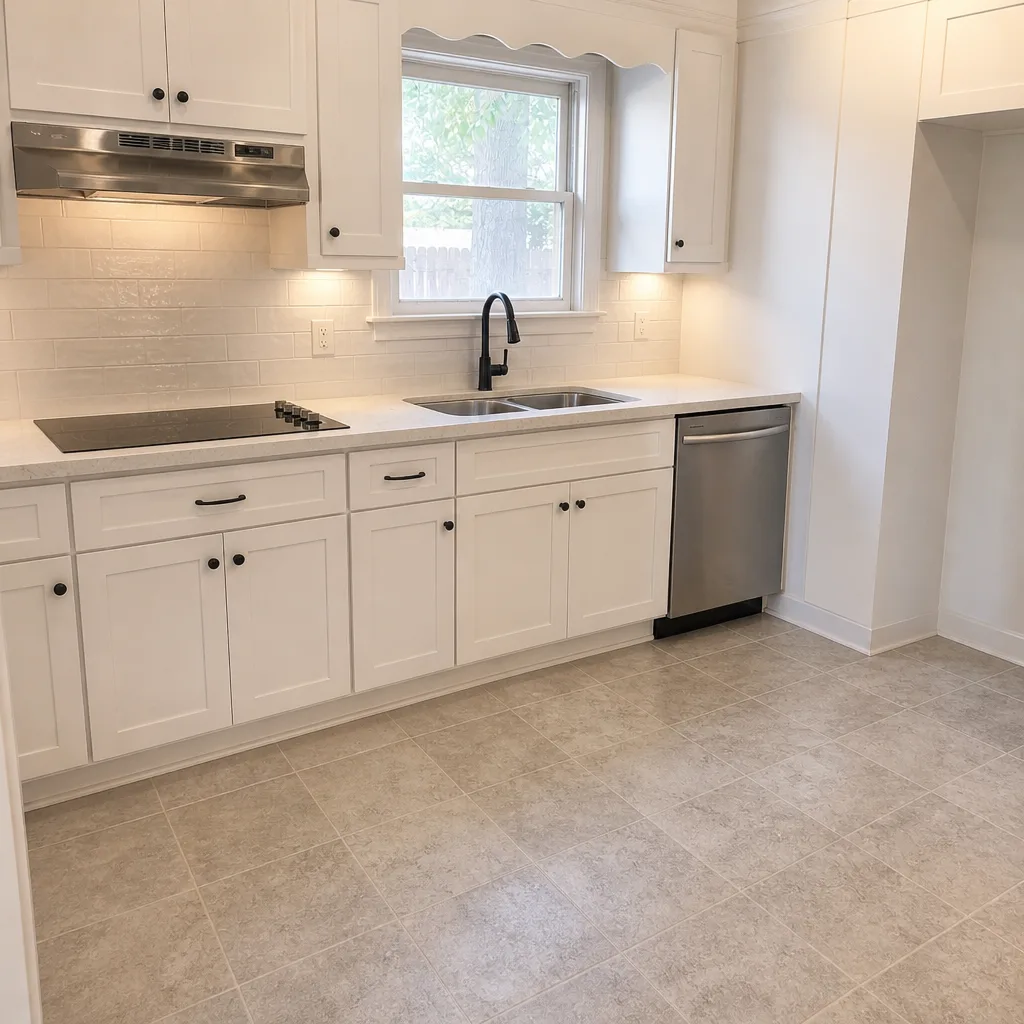 After
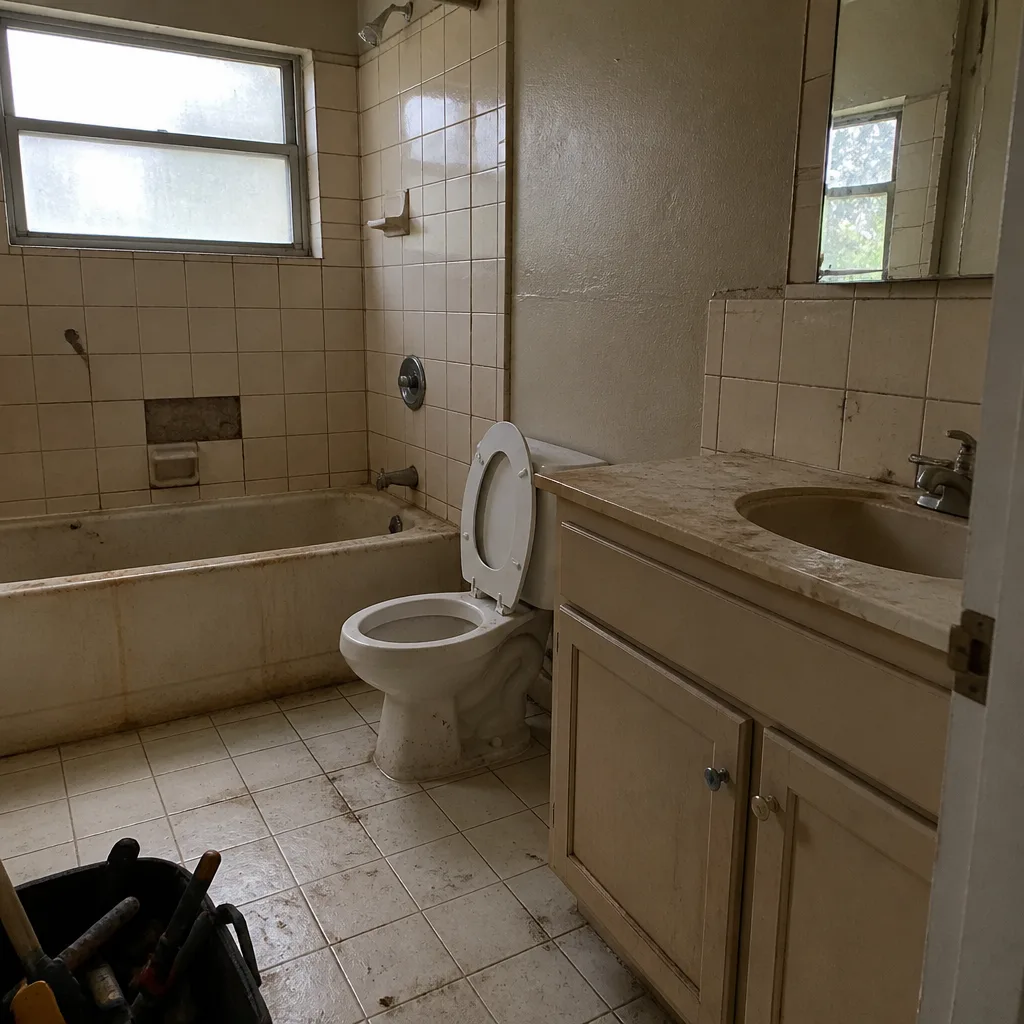 Before
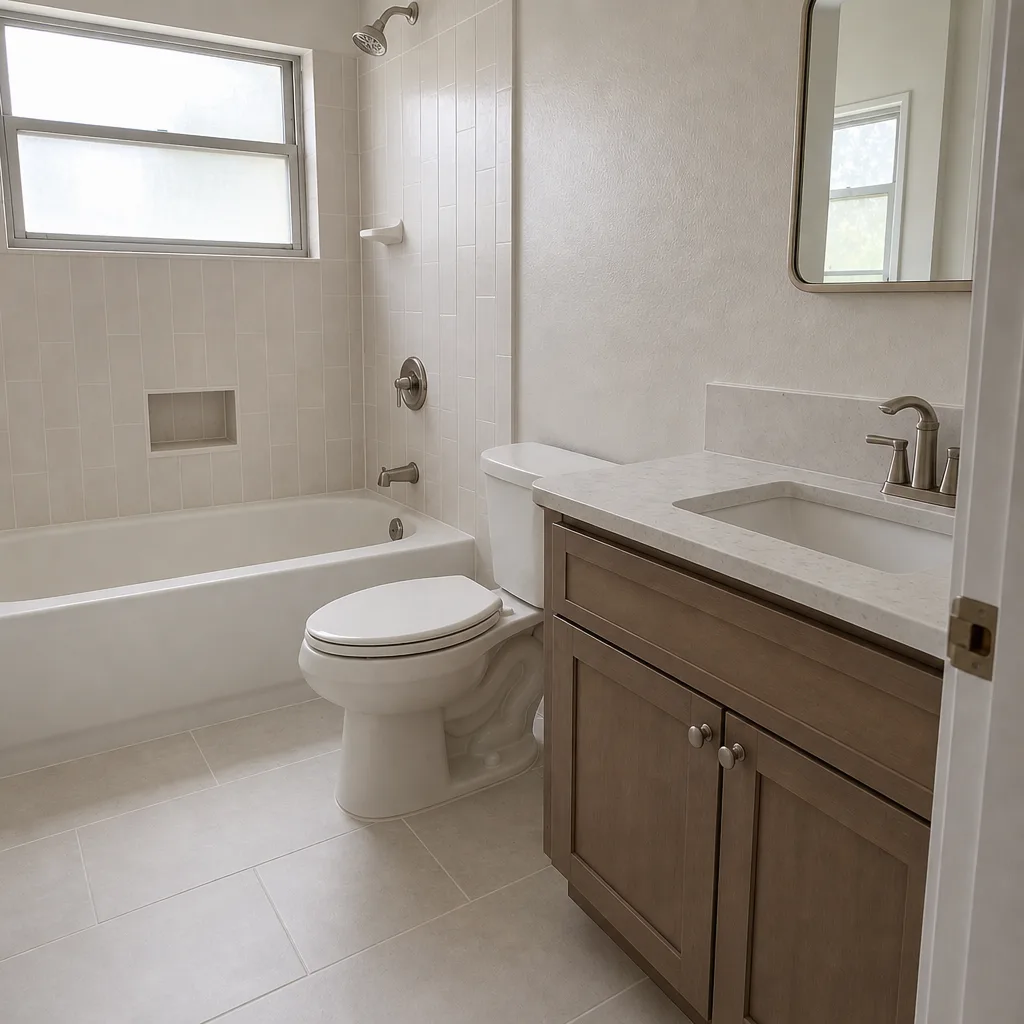 After
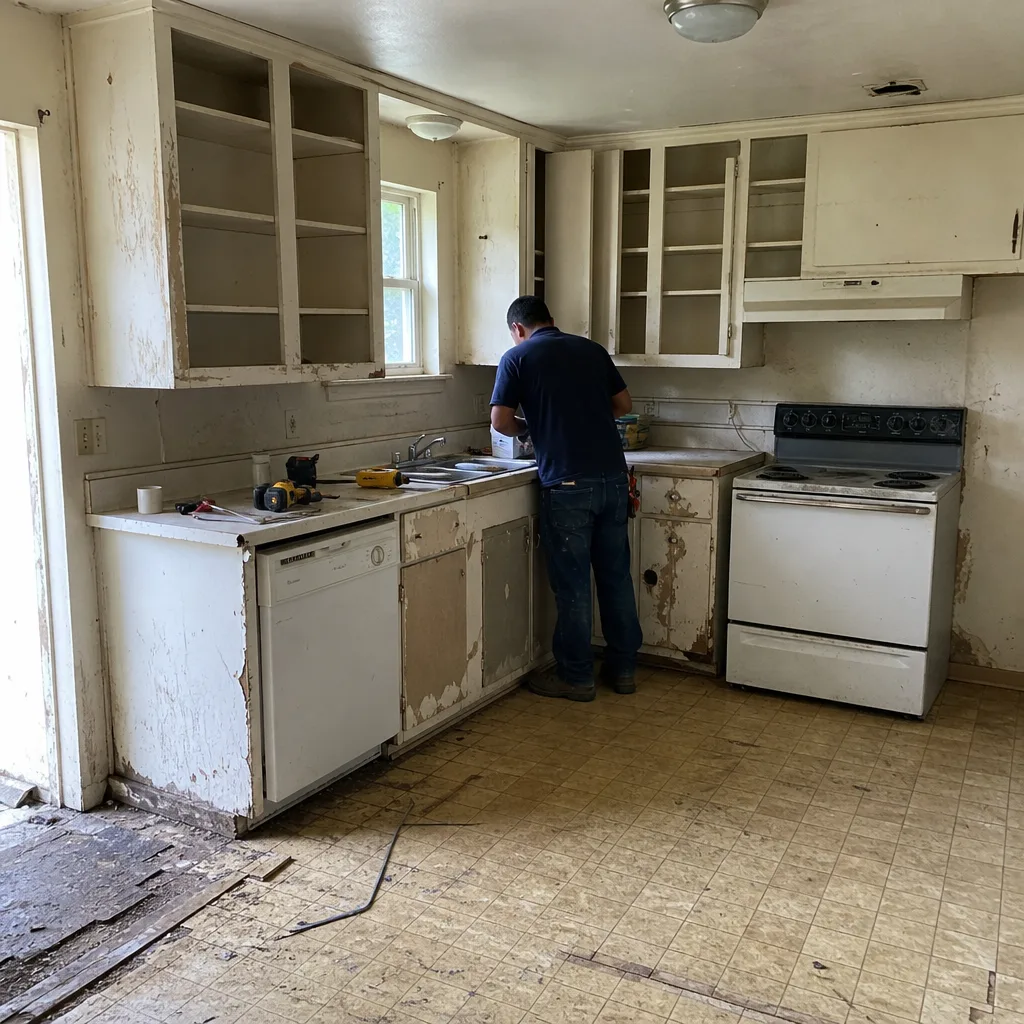 Before
 After
What Cedar Hill Homes Specifically Do to This Job
Cedar Hill’s housing stock shapes this conversion in ways you won’t see on a flat-lot suburb. Most of the homes we work on date to the 1980s through the 2000s in the subdivisions off Belt Line and Wintergreen, and the original townsite still has older ranch homes with smaller, tighter bathrooms. That era of construction usually means a standard 60-inch alcove tub, which is the easiest and cheapest conversion footprint we get. But the terrain here is hilly and heavily treed, and that shows up in the bathroom too. On the west side near Joe Pool Lake, builders often hit limestone within a few feet of grade, and when plumbing has to move, the slab work can be harder than a typical North Texas lot. East-side lots with mature oaks often come with tree-protection plans that dictate where equipment can sit and how the site is staged, which affects a project large enough to need a dumpster and a staging area. Add the expansive clay soils that shift with every wet and dry cycle, and older homes on slab can show minor foundation movement that has to be accounted for when we set a new shower pan level. We plan conversions in spring or fall where possible so the weather isn’t fighting the mortar and waterproofing, and we keep heat and dust plans in place on summer jobs.
Serving Cedar Hill, TX – Our Local Coverage Area
We serve Cedar Hill and nearby communities. Use the map below to see the area we cover. If you’re nearby, we can almost certainly help.
Frequently Asked: Tub-to-Shower Conversion in Cedar Hill
Plan on five to eight working days from demo to final inspection. A straightforward acrylic conversion on an existing tub footprint can finish closer to five. A fully tiled shower with a custom pan, frameless glass and a permit runs toward the top of that range, and the curing time for waterproofing and mortar is part of the schedule, not something we cut. Call (844) 797-4808 and we’ll give you a realistic date once we’ve seen the bathroom.
Yes, if the drain or valve is being relocated or replaced, which is nearly every conversion. The plumbing rough-in gets inspected before the walls close, and the job gets a final inspection. We pull the permit and schedule the inspections as part of the estimate, so you’re not chasing the city yourself. Ask any contractor you hire whether the permit is included in their price.
Often, yes. If the existing drain and valve can stay where they are and you’re building a standard shower on the same footprint, the plumbing work is minimal. That’s the least expensive version of this job. Moving the drain, adding a second showerhead or widening the shower is doable but adds labor, a permit line and possibly a day or two to the schedule. We’ll tell you at the estimate which category your bathroom falls into.
Most conversions in Cedar Hill fall between $3,500 and $10,000, with the middle of that range covering a tiled shower, a pre-formed or tiled pan and a framed glass door. The variables are size, condition behind the wall, plumbing changes, material grade and permit scope. Call (844) 797-4808 for an exact written quote, and the estimate is free. We also offer 0% financing for 18 months and $1,000 off projects over $10,000 if the budget needs some breathing room.
Every conversion we do is backed by the 730-Day Done Right Promise, which covers our workmanship for two years. That means if a seal fails, a drain leaks or a tile edge separates, we come back and fix it. Materials carry their own manufacturer warranties, which we hand over at the final walkthrough. Ask us to put the workmanship terms in writing with the estimate, and we will. It’s the contractor’s job to stand behind the work, not the homeowner’s job to hope.
Get a Free On-Site Estimate for Your Cedar Hill Conversion
If you’re ready to trade the tub for a shower, call (844) 797-4808 to schedule a free on-site estimate. A live person answers, day or night, and we’ll set a time that works. On the visit we measure the bathroom, check the plumbing and layout, and hand you a written line-item quote with the permit and inspection included. No high-pressure pitch, just a clear number and a plan you can trust.
Written by the team at Groundwork Construction Co.